
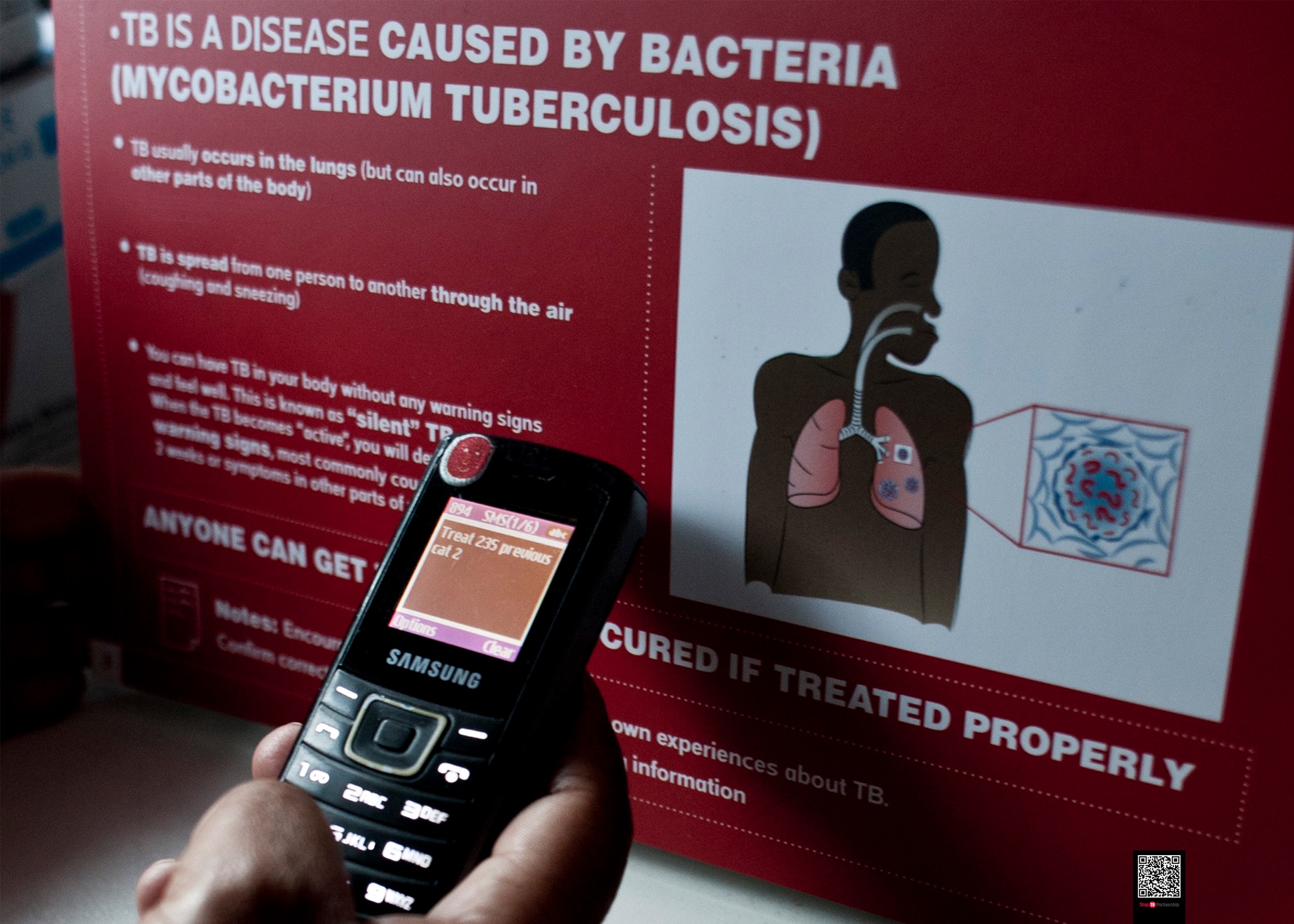
The Africa Centres for Disease Control and Prevention (Africa CDC) has launched a promising new study exploring how simple mobile phone messages could dramatically improve tuberculosis (TB) treatment adherence in Ethiopia and Liberia, two countries still carrying some of Africa’s highest TB burdens.
Backed by a US$100,000 World Bank grant, the research runs from 17 November to 12 December 2025. It brings together a strong partnership including the Ministries of Health in Ethiopia and Liberia, the University of Liberia College of Health Sciences, Dire Dawa University, and the Dire Dawa Health Bureau, with Africa CDC’s Science and Innovation Directorate leading the technical work.
Does this Study Matters? Yes!
Tuberculosis remains one of the world’s toughest infectious diseases. In 2023 alone, 10.8 million people were infected globally, and more than 1.25 million lost their lives. Ethiopia and Liberia continue to face high infection rates (119 and 308 cases per 100,000 people, respectively).
One of the biggest challenges in TB control is treatment adherence. Many patients struggle to complete the long, daily medication regimen, leading to treatment failure, relapse, and even drug-resistant TB.
Using Mobile Phones to Strengthen TB Care
To tackle this gap, Africa CDC is testing an approach that fits naturally into everyday life, SMS reminders. The study, titled “Improving TB Treatment Adherence through Mobile-Phone Messaging: Identifying Barriers, Facilitators, and Adoption Pathways in Ethiopia and Liberia,” will examine whether mobile messaging can boost adherence and improve patient outcomes.
“This research is significant because it allows us to integrate digital innovation into TB care in Africa,” said Dr. Mosoka Fallah, Acting Director of Science and Innovation at Africa CDC. “Mobile phones are everywhere. If we can use them to support patients consistently, we can make TB treatment more accessible, responsive and effective, especially in vulnerable communities.”
How the Study Works
The project will roll out in two phases across both countries:
- Phase 1: A quantitative assessment to understand current treatment adherence among TB patients.
- Phase 2: A pilot intervention where selected patients with poor adherence receive SMS reminders to support their treatment routine.
A total of 844 TB patients (422 per country) will participate, with about 200 receiving SMS-based reminders. Researchers will combine quantitative data with patient interviews and insights to understand what helps or hinders the adoption of digital health tools.
The goal is to produce strong, actionable evidence that can guide national TB strategies and support Africa-wide digital health policies.
“Africa CDC continues to prioritise implementation science that strengthens public health interventions in Member States,” Dr. Fallah added. “This initiative will not only support TB programmes today but will also contribute to Africa’s growing digital health agenda.”
A Step Toward Ending TB in Africa
Ultimately, the study will help determine how effective SMS reminders are in improving TB treatment adherence, identify barriers and opportunities for digital health adoption, and inform policies in Ethiopia, Liberia, and across Africa.
Africa CDC emphasizes that this work aligns with the WHO End-TB Strategy and the African Union’s health priorities, reinforcing the continent’s commitment to ending TB by 2035.
