
For decades, the standard of care for Sickle Cell Disorder (SCD) in Africa focused almost exclusively on palliative management. Doctors and families concentrated on mitigating pain crises, preventing infections, and managing anemia. While essential, this approach left millions without a permanent solution to a debilitating genetic condition. Today, a landmark collaboration between the Sickle Cell Foundation Nigeria (SCFN) and the Lagos University Teaching Hospital (LUTH) is shifting that paradigm. The SCFN-LUTH Bone Marrow Transplant Programme represents a transition from managing symptoms to offering a curative lifeline for patients in Nigeria and across the African continent.
The Burden of Disease in the Epicenter
Nigeria holds the unfortunate distinction of being the global epicenter of Sickle Cell Disorder. Data from the World Health Organization (WHO) and local health ministries indicates that over 150,000 babies are born with SCD in Nigeria annually, with an estimated 4 to 6 million people living with the condition. This genetic pressure places an immense strain on the public health system and the families who navigate the emotional and financial toll of chronic illness.
Historically, the only curative option Bone Marrow Transplantation (BMT), also known as Hematopoietic Stem Cell Transplantation (HSCT) was out of reach for the vast majority of Nigerians. Patients with the financial means often resorted to medical tourism, traveling to India, the United Kingdom, or the United States to access treatment. This capital flight not only drained personal savings but also highlighted the critical gap in local healthcare infrastructure.
A Strategic Partnership for a Local Cure
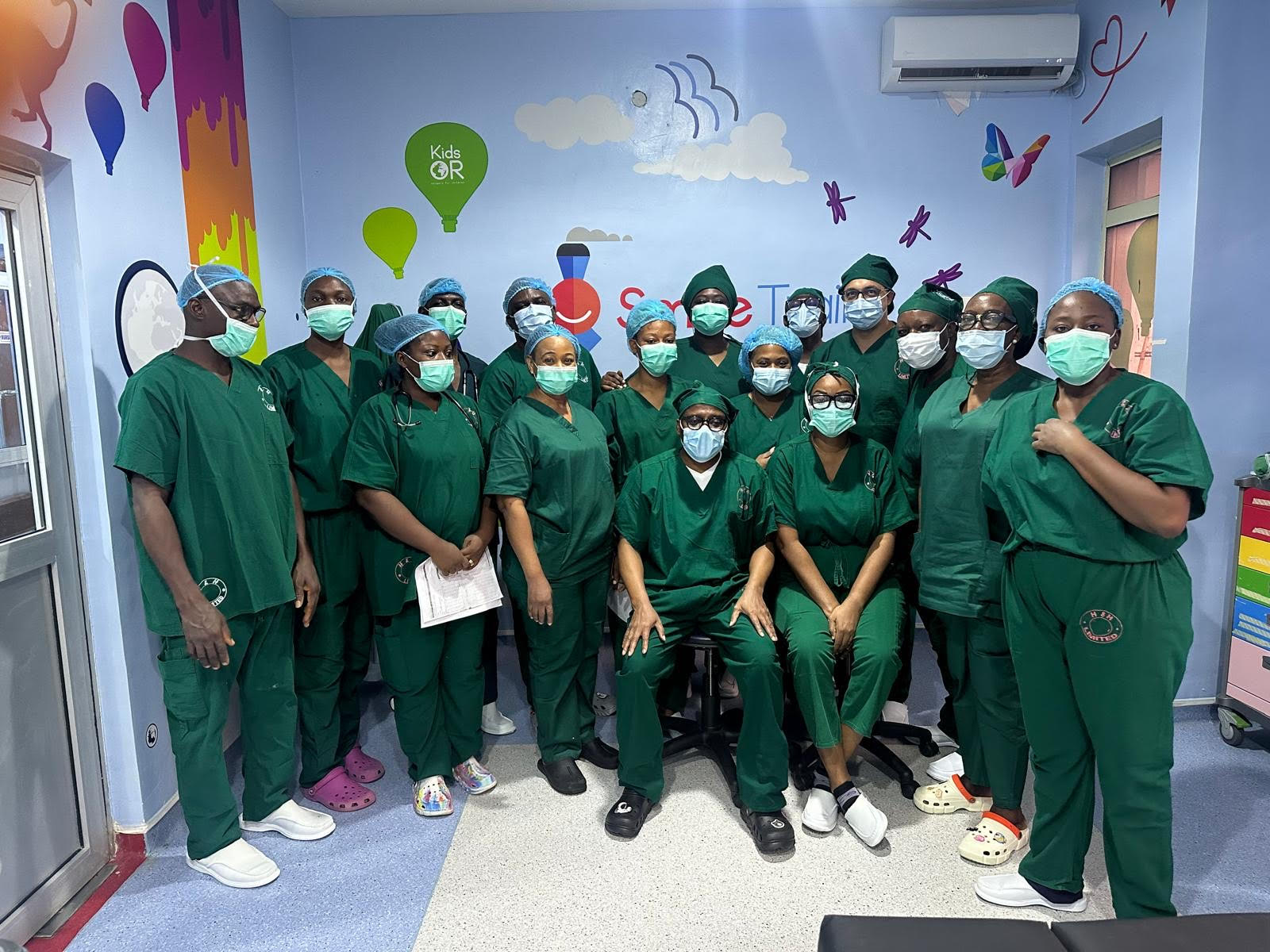
The SCFN-LUTH partnership addresses this gap by domesticating world-class treatment. Established to provide safe, quality, and affordable care, this programme utilizes the clinical expertise of LUTH’s haematologists and paediatricians alongside the advocacy and administrative framework of the SCFN.
Crucially, the programme has engaged international technical partners, including Vanderbilt University Medical Center (VUMC) in the United States, to ensure technology transfer and adherence to global best practices. The dedicated BMT centre, which officially opened its doors in January 2022, serves as a Centre of Excellence for the region . By localizing this complex procedure, the programme ensures that patients can recover in a familiar environment supported by their extended families, a factor that plays a notable role in psychological well-being during the rigorous post-transplant recovery phase.
Understanding the Science: From HbS to HbA
For the semi-technical audience, it is important to understand the mechanism behind this cure. Sickle Cell Disorder is caused by a mutation in the hemoglobin-Beta gene found on chromosome 11, resulting in abnormal hemoglobin S (HbS). Under low oxygen tension, HbS polymerizes, causing red blood cells to distort into a rigid sickle shape, leading to vaso-occlusion and hemolysis.
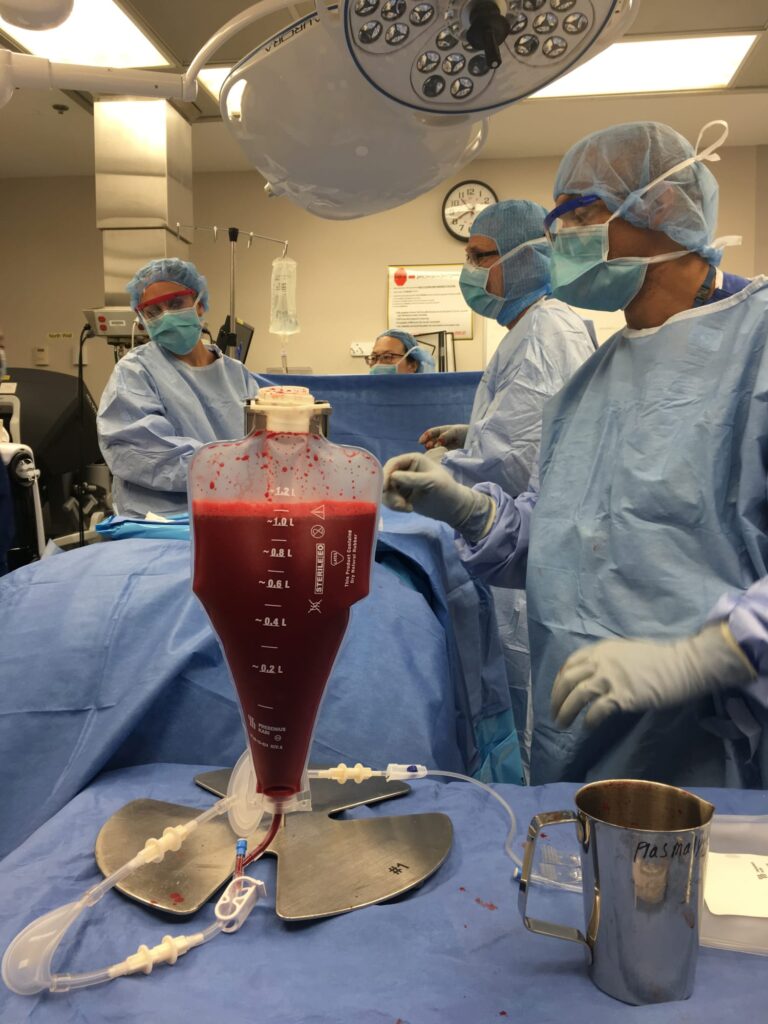
The Bone Marrow Transplant procedure works by replacing the patient’s diseased hematopoietic (blood-forming) stem cells with healthy stem cells from a compatible donor. This is typically an allogeneic transplant. The process involves high-dose chemotherapy or conditioning regimens to ablate the patient’s existing marrow. Subsequently, healthy stem cells are infused into the patient. These new cells engraft and begin producing Hemoglobin A (HbA), effectively curing the patient of SCD phenotypes.
A critical component of this success is Human Leukocyte Antigen (HLA) matching. Ideally, a sibling with a full match is the preferred donor. However, the SCFN-LUTH programme is also exploring and adopting advancements in haploidentical transplantation. This technique allows for the use of half-matched donors (such as parents or half-matched siblings), vastly expanding the pool of eligible donors for patients who lack a fully matched sibling.
Accessibility and Economic Implications
One of the primary barriers to BMT globally is cost. Transplants in the United States or Europe can cost between $200,000 and $400,000, excluding travel and living expenses. The SCFN-LUTH programme aims to reduce this financial burden substantially. By eliminating travel costs and leveraging local medical teams, the programme notes a potential cost reduction of over 60% compared to international alternatives.
This cost-effectiveness does not imply a compromise in quality. The collaboration focuses on rigorous infection control, utilizing distinct air handling systems (HEPA filtration) to protect immunocompromised patients during the critical neutropenic phase post-transplant.
A Positive Outcome for Africans
The establishment of this programme signals a reversal of “medical brain drain” in the region. Instead of exporting patients and funds, Nigeria is positioning itself to become a hub for medical excellence in West Africa. This concept of “Reverse Medical Tourism” means that patients from neighboring countries can access high-quality BMT services in Lagos rather than traveling to other continents.
For the African patient, the benefits extend beyond economics. The ability to access post-transplant follow-up care locally is vital. Graft-versus-host disease (GvHD), a potential complication where donor cells attack the recipient’s tissues, requires careful, long-term monitoring by specialists. The LUTH Post-Transplant Clinic provides this continuity of care, which is often fragmented when patients undergo the initial procedure abroad and return home without a specialist handover.
The SCFN-LUTH Bone Marrow Transplant Programme is more than a medical facility; it is a vital infrastructure development for the region’s healthcare landscape. By combining international technical expertise with local clinical talent, the programme offers a scalable model for treating genetic blood disorders in low-to-middle-income countries. As the centre continues to perform successful transplants, it validates the premise that world-class curative therapy can and should be accessible to the population that needs it most.
Frequently Asked Questions
What is the difference between a standard BMT and the procedure offered at LUTH?
The clinical procedure offered at the SCFN-LUTH centre follows the same international protocols as centres in the US or UK. The primary difference lies in the location and cost. The centre uses standard allogeneic transplant methods and is equipped to handle the specific conditioning regimens required for sickle cell patients.
Who is eligible for a transplant under this programme?
Eligibility is determined by a multidisciplinary team. Generally, candidates are children or young adults with severe Sickle Cell Disorder who have a compatible donor. Factors such as the frequency of pain crises, history of acute chest syndrome, or stroke risk are considered. Patients must undergo a thorough pre-transplant evaluation to ensure their organ functions (heart, liver, kidneys) can withstand the procedure.
Is the cure guaranteed?
While BMT is currently the only established cure for SCD, it carries risks as with any major medical procedure. Success rates have improved substantially with modern techniques, often exceeding 90% survival and cure rates in matched sibling transplants. However, risks such as graft failure, infection, or graft-versus-host disease exist, which is why patient selection and post-transplant care are rigorously managed.
How does the cost compare to treatment abroad?
Treatment at the SCFN-LUTH centre is estimated to be significantly lower than in Western countries or India. While specific costs vary based on the patient’s needs and donor type, the localization of the service removes the need for international flights, visas, and accommodation abroad, which often constitutes a large portion of the total expenditure for medical tourists.
