
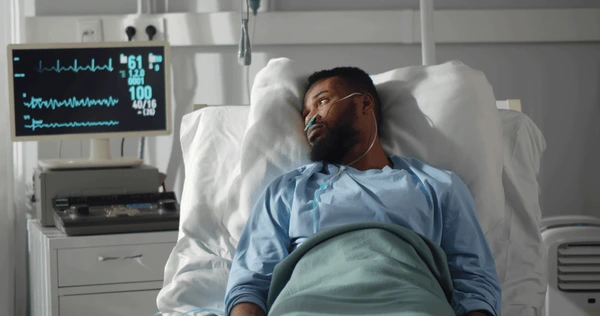
I know that heavy feeling you carry every time you step into a hospital corridor; it is a weight that goes far beyond the physical exhaustion of your condition. For a long time, living with kidney disease in Nigeria has felt like being trapped between a rock and a very expensive place.
You have likely spent countless nights staring at the ceiling, doing the math in your head, and wondering how you will afford the next session. When the average cost of a single dialysis treatment sits at ₦50,000, and your doctor tells you that you need three sessions a week to stay on top of things, the numbers simply do not add up for most of us. It is not just about the medical procedure; it is about the sacrifice of your family’s savings, the constant anxiety of a mounting bill, and the fear that your life has a literal price tag you can no longer afford to pay. This cycle of financial and physical strain has pushed so many people to the brink of despair.
However, the air is starting to clear a bit, and there is a genuine reason to breathe a little easier today. The landscape of kidney care in our country is undergoing a massive transformation that puts your survival first. The Federal Government has stepped in with a subsidy scheme that is nothing short of a lifeline, slashing that terrifying ₦50,000 fee down to a much more manageable ₦12,000 per session. This is not just a small tweak to a policy; it is an 80 percent reduction that changes the entire math of your recovery. It means that the resources you used to spend on a single week of treatment can now potentially cover an entire month of care. This move is a vital part of the push toward universal health coverage, ensuring that your bank account does not decide whether or not you get to see another sunrise.
Accessing this relief is about knowing exactly where to go and how to navigate the system to make it work for you. Right now, this scheme is being rolled out through 11 major federal tertiary health facilities that act as pillars of hope across the country. If you are in the North, you should head toward the Aminu Kano Teaching Hospital in Kano or the University of Maiduguri Teaching Hospital in Borno. For those living in the North-East or North-Central regions, the Abubakar Tafawa Balewa University Teaching Hospital in Bauchi and the University of Jos Teaching Hospital in Plateau are also active participants in this program. These centers have been equipped to handle the influx of patients who can finally afford the consistent care they need. You do not have to feel like you are being excluded based on where you live because the government has been very clear about spreading these centers across all geopolitical zones.
As you move toward the heart of the country and down to the coast, the options continue to expand. In the Federal Capital Territory, the National Hospital in Abuja is a primary hub for this subsidized care. If you are navigating the busy streets of Lagos, the Federal Medical Centre in Ebute-Metta is your go-to spot for the ₦12,000 sessions. Further West, the historic University College Hospital in Ibadan provides a massive relief for residents of Oyo and neighboring states. This network is designed to be a safety net that catches you regardless of your location. The South is equally represented, with the University of Benin Teaching Hospital in Edo and the Federal Medical Centre in Yenagoa, Bayelsa, providing critical support. For those in the East, you can find this affordable care at the Federal Teaching Hospital in Owerri or the Federal Medical Centre in Abakaliki.
Getting started with this program requires a bit of proactive footwork, but it is entirely doable. Your first step should be to visit the nephrology department or the social works office at any of these listed hospitals. You should carry your medical records and any existing referrals, as the medical teams there will need to verify your clinical history before transitioning you to the subsidized billing system. It is also a the NHIA. Many of these subsidies are being funneled through the NHIA framework to ensure transparency and proper funding. If you are not yet enrolled, you can actually do this on your phone by dialing *929# or *616# on most networks to get your e-ID started. Being part of the formal insurance pool often opens up even more layers of support that can help with the cost of consumables and medications.
Once you have secured your spot in the subsidy program, your focus needs to shift toward making every session as effective as possible. Dialysis is a team effort between you and the machine, and what you do outside the hospital walls matters just as much as what happens inside. You should be very intentional about your nutrition, which means working closely with a renal dietitian to find a balance that keeps your potassium and phosphorus levels in check. I know it is hard to give up some of our favorite Nigerian delicacies, but shifting toward a low-sodium, kidney-friendly diet will make your sessions less taxing on your body. You will find that when you eat the right way, you feel less drained after treatment, and your blood pressure stays in a much safer range. This kind of holistic management is the real key to living a full, active life despite a kidney diagnosis.
Another practical solution is to build a relationship with the patient support groups that often form in the waiting rooms of these federal hospitals. These groups are filled with people who are walking exactly the same path as you; they are the ones who know which pharmacies have the best prices for Erythropoietin injections or which transport routes are the most reliable. Sharing information about how to manage “dry weight” or how to care for your fistula can save you from a lot of unnecessary complications. There is a special kind of strength that comes from communal knowledge, and in a system that can sometimes feel bureaucratic and slow, your fellow patients are often your best advocates and teachers.
We must also acknowledge that while this 11-hospital pilot is a huge win, the goal is to see this program grow. The Ministry of Health has promised that more hospitals will be added to the list as the program expands its reach. This means you should stay informed by following official government health channels or checking in with your hospital administrators regularly. If your local federal medical center is not on the list yet, keep asking questions and stay prepared. The infrastructure is being reinforced, and more dialysis machines are being brought into the country to handle the increased demand that lower prices naturally bring. You are part of a movement toward a Nigeria where healthcare is a right rather than a luxury for the wealthy.
You have been through so much already, and the mental toll of chronic illness is something that words can barely capture. However, the door to affordable care is finally swinging open. By utilizing these federal centers, getting your NHIA details in order, and leaning into a supportive community, you can reclaim your life from the shadow of financial ruin. You are no longer fighting this battle alone, and the path to wellness is becoming clearer and more accessible every day. Keep showing up for yourself because you are worth every bit of this effort.
