
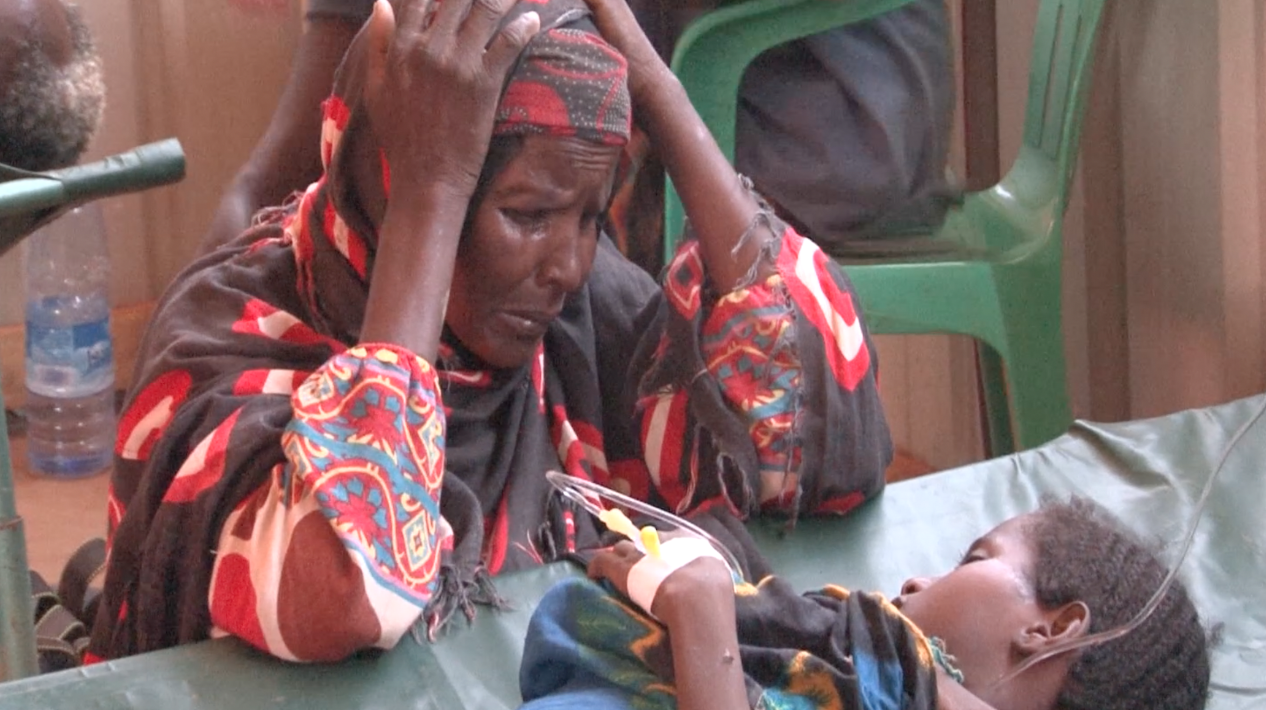
Many people especially Africans view diarrhea as a minor nuisance, a temporary digestive upset that simply requires a few days of proximity to a restroom. This perception is a dangerous misconception; in reality, diarrhea is a physiological crisis that can lead to death within hours. This mortality occurs through two pathways mainly the biological exhaustion caused by the disease itself and the improper use of common medications.
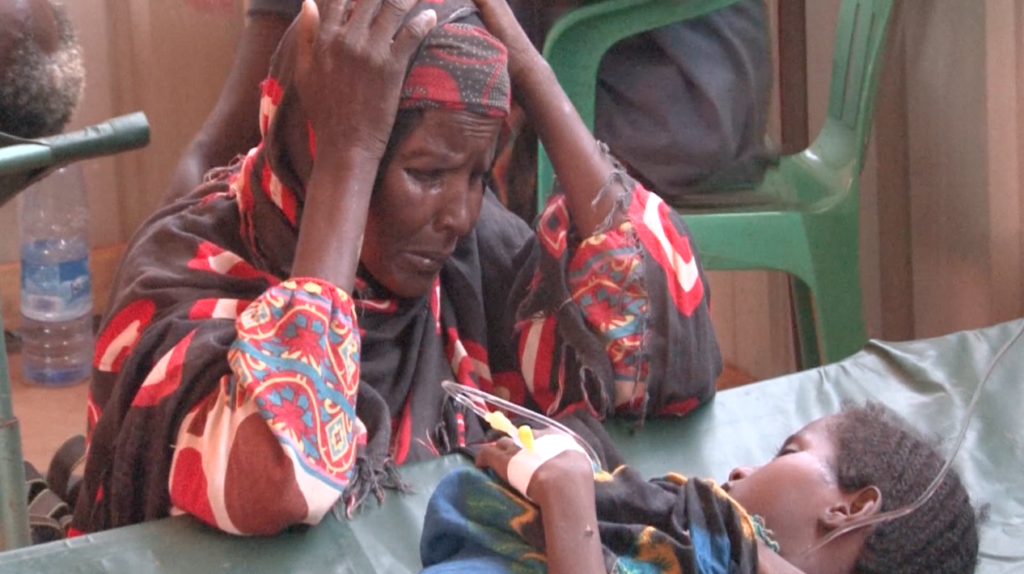
Diarrhea remains one of the most persistent global health challenges; it is the second leading cause of death in children under five years old. According to the World Health Organization (WHO, 2025), nearly 443,000 children die annually from diarrheal diseases. The condition involves the frequent passage of loose or watery stools, usually occurring three or more times in a twenty-four-hour period. This rapid loss of fluid does more than cause discomfort; it fundamentally disrupts the internal physiology of the human body.
When diarrhea occurs, the intestines fail to absorb water and electrolytes properly, or they secrete excess fluid into the bowel. This leads to a rapid depletion of essential salts like sodium, chloride, and potassium. The result is a state of dehydration and electrolyte derangement. As the body loses these vital components, blood volume drops, which can lead to organ failure, extreme fatigue, and eventually death if not corrected.
Understanding the Mechanics and Causes
Diarrhea is not a disease in itself but a symptom of an underlying issue. Doctors generally categorize it into three types:
- Acute watery diarrhea: Lasts several hours or days and includes cholera.
- Acute bloody diarrhea: Often called dysentery, indicating mucosal damage.
- Persistent diarrhea: Lasts fourteen days or longer.
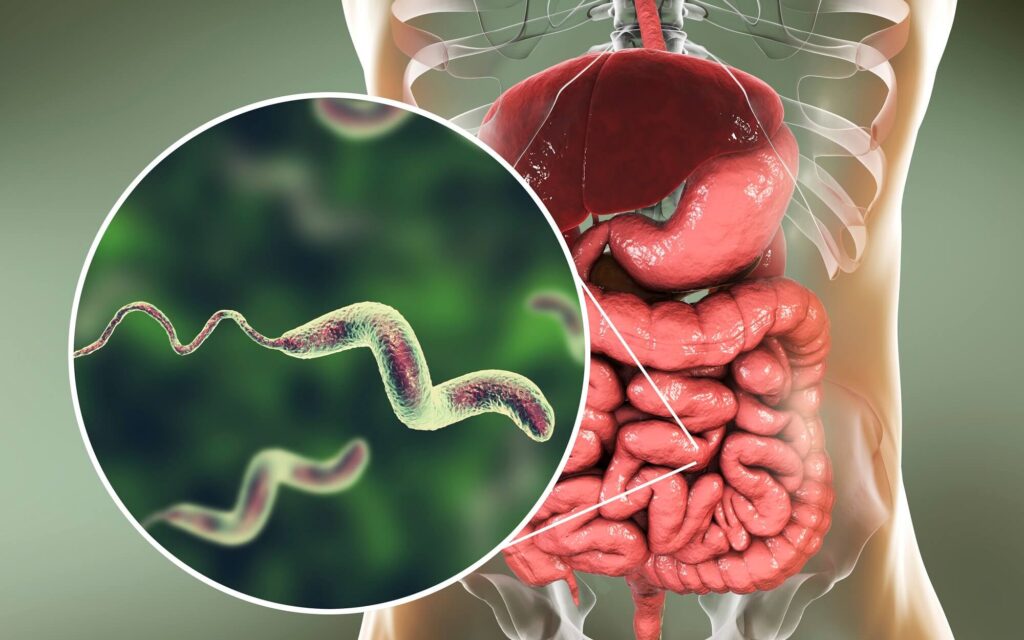
The causes vary widely; most cases stem from infections caused by bacteria, viruses, or parasites. Common culprits include Rotavirus, Escherichia coli (E. coli), and Salmonella. In many regions, particularly across Africa and Southeast Asia, contaminated water sources and poor sanitation facilitate the spread of these pathogens. However, diarrhea can also result from food intolerances, inflammatory bowel disease (IBD), or side effects of other medications.
The Role and Misuse of Anti-Diarhea medication
In the African setting, most people with Diarrhea (no matter the cause) are given Antibiotics and plus antimotility medication (e.g Loperamide AKA Imodium), while this medications can give some relieve initially, the can have very terrible health effects. Antibiotics abuse is currently a big concern to the Global war against bacterial disease, Hence we will discuss Antibiotics abuse in another article, but for now let’s focus on Antimotility medications and their potentially fatal side effect. Loperamide is a common medication found in most pharmacies and home medicine cabinets. It belongs to a class of drugs called opioid receptor agonists. Unlike other opioids, loperamide primarily acts on the Mu (𝜇)-opioid receptors in the myenteric plexus of the large intestine. It works by slowing down the movement of the intestines, known as peristalsis. By increasing the time it takes for contents to pass through the digestive tract, the body has more time to absorb water, which firms up the stool and reduces the frequency of bowel movements.
In many parts of Africa and other developing markets, loperamide is frequently over-prescribed or sold over-the-counter for every instance of loose stools. Many patients seek a “quick fix” to stop the physical inconvenience of diarrhea, and pharmacies often oblige without investigating the cause. This “stop-plug” approach is dangerous because it treats the symptom while trapping the cause inside the body.
When a “Cure” Becomes a Threat
Using loperamide for certain types of diarrhea can have fatal consequences. If a person has an invasive bacterial infection or a parasitic infestation, the body uses diarrhea as a defense mechanism to flush out the pathogens. When loperamide slows the gut, it essentially creates a stagnant pool where bacteria can multiply rapidly and dangerously. There are 2 very serious conditions that this can lead to
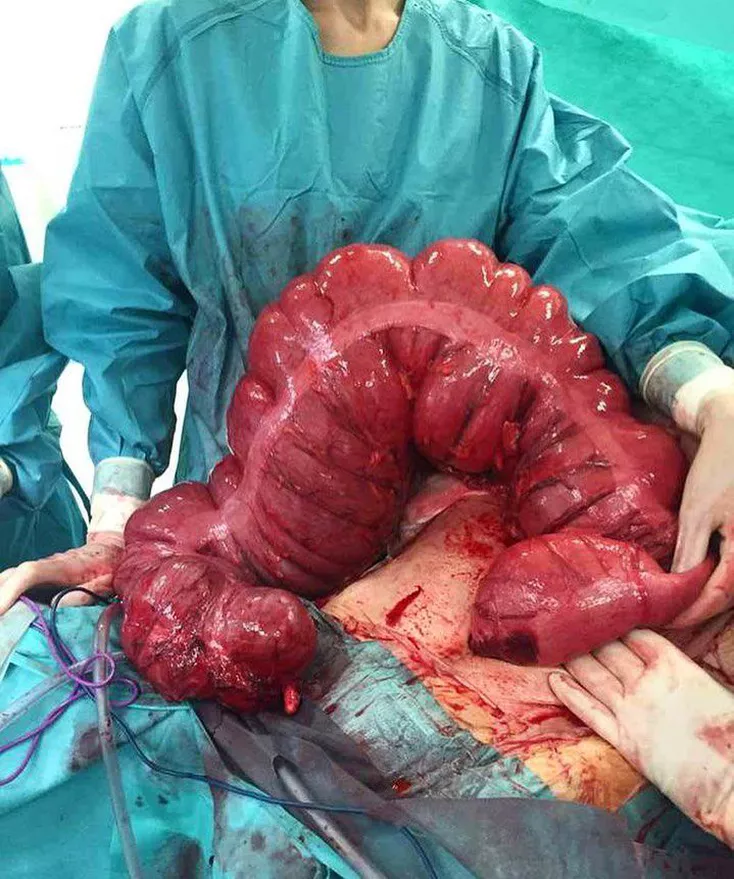
1. Toxic Megacolon
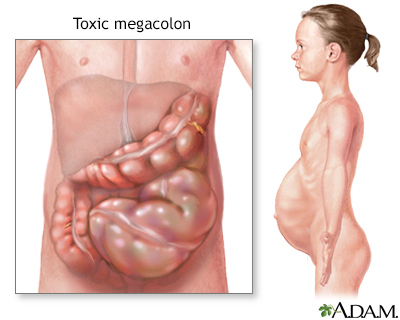
This is a life-threatening complication where the colon becomes severely distended and loses its ability to contract. Research indicates that loperamide use in the presence of infectious colitis such as C. difficile or Entamoeba histolytica can precipitate this condition by preventing the expulsion of toxins. A documented case in the Journal of Travel Medicine (2025) involved a patient who developed fulminant amoebic colitis after taking loperamide to manage traveler’s diarrhea; the resulting colonic dilation reached a critical 10 cm, requiring a subtotal colectomy to prevent death. Statistics from Gavin Publishers (2025) show that approximately 6% of patients with toxic megacolon had used loperamide within three months of onset.
2. Necrotizing Enterocolitis (NEC)
In infants and vulnerable populations, the use of antimotility agents can contribute to NEC, where the intestinal tissue becomes inflamed and begins to die. While NEC is primarily a condition of premature infants, its incidence in full-term infants can be exacerbated by medications that inhibit gut motility. Recent studies in Frontiers in Pediatrics (2025) reported an NEC mortality rate as high as 49.7% in certain high-risk units. The introduction of loperamide in pediatric cases, even at low doses, has been linked to a 0.9% incidence of serious adverse events including ileus and death specifically in children under three years of age, according to a Systemic Review by the NIH (2025).
These statistics shows potentially avoidable deaths, even though this side effects does not happen in every individual, but can quickly become deadly if they occur. Another very other common side effect which I have managed multiple times is severe cramping abdominal pain which occurs after Imodium in diarrhea. The pain could become so unbearable and it forces patients to come to the hospital.
Safer Alternatives and Proper Management
The priority in treating diarrhea should always be rehydration rather than stopping the flow of stool. The body can often clear an infection on its own if the patient remains hydrated and stable. Below are the initial recommended management for Diahhrea disease.
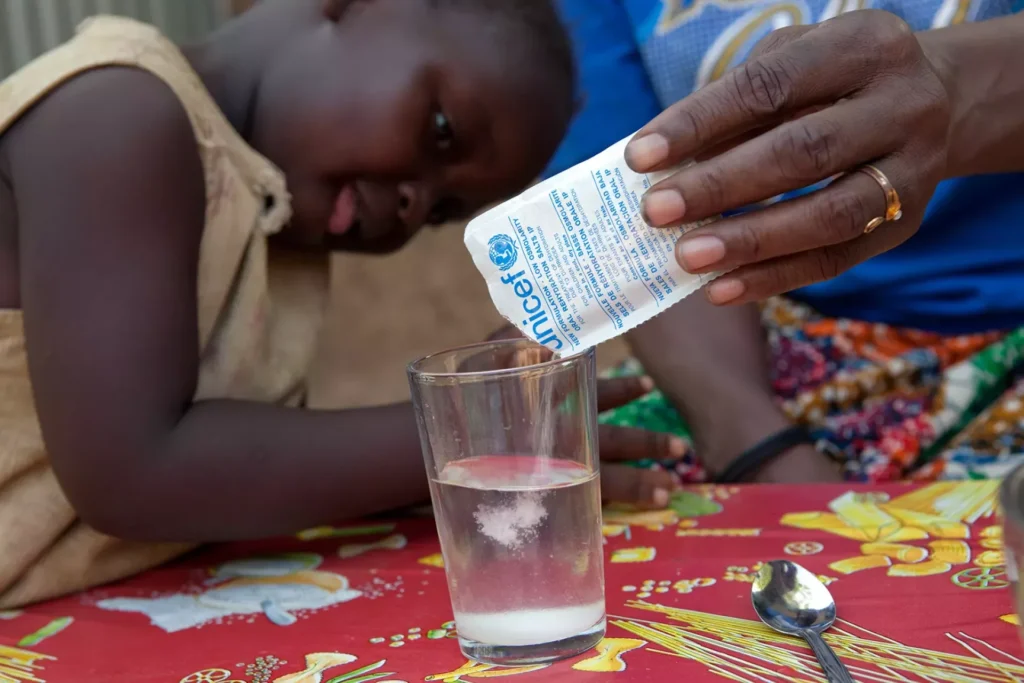
- Oral Rehydration Salts (ORS): This is the gold standard. ORS uses the glucose-sodium co-transport mechanism to force the intestines to absorb water. Guidelines from UNICEF (2024) emphasize its use as the first line of defense.
- Zinc Supplementation: For children, taking zinc for ten to fourteen days can reduce the duration of diarrhea and prevent future episodes for up to three months.
- Home Remedies: In the absence of ORS packets, a solution of six level teaspoons of sugar and a half teaspoon of salt dissolved in one liter of clean water is effective, Garri water, coconut water could also be used in the absence of the above
- Continued Feeding: Nutritional intake, including breastfeeding for infants, is vital for recovery.
- Probiotics: Certain strains can help restore the natural balance of the gut microbiome after an infection.
When to Seek Hospital Care
While many cases resolve at home, certain “red flags” demand immediate professional medical attention. If a patient exhibits any of the following, they should be taken to a hospital:

- Blood or mucus in the stool, suggesting an invasive infection.
- High fever that does not subside.
- Signs of severe dehydration, such as sunken eyes, lack of tears, or decreased urination.
- Persistent vomiting that prevents the intake of oral fluids.
- Diarrhea that lasts more than 2 days despite home treatment.
Urgent management needs to be employed, Intravenous fluid and medication, and clinical investigations must be carried out.
By way of conclusion, Anti motility medication are not recommended first line for diarrhea disease, and should not be taken routinely except advised by a Doctor.
Frequently Asked Questions
Can I use sports drinks instead of ORS?
Sports drinks often contain too much sugar and insufficient electrolytes for medical rehydration; they can worsen diarrhea by drawing more water into the gut via osmosis.
Why is loperamide dangerous for children?
Children are more susceptible to toxic effects, including respiratory depression and bowel complications. Most pediatric guidelines strictly advise against its use in children under six.
What is the best way to prevent diarrhea?
Prevention focuses on “WASH” principles: Water, Sanitation, and Hygiene. This includes handwashing with soap, using treated water, and ensuring proper sewage disposal.
The misuse of antimotility drugs demonstrates a notable gap in health literacy. By shifting the focus from “stopping the diarrhea” to “supporting the body,” we can prevent unnecessary deaths and manage this condition safely.
Author: Dr. Chimaobi Felix
Dr. Chukwunyere F Chimaobi, MBBS is a medical doctor licensed to practice in Nigeria and the United Kingdom, Possessing clinical experience in patient care and public health education. He is passionate about improving health literacy and providing evidence-based medical information tailored to African populations.
