
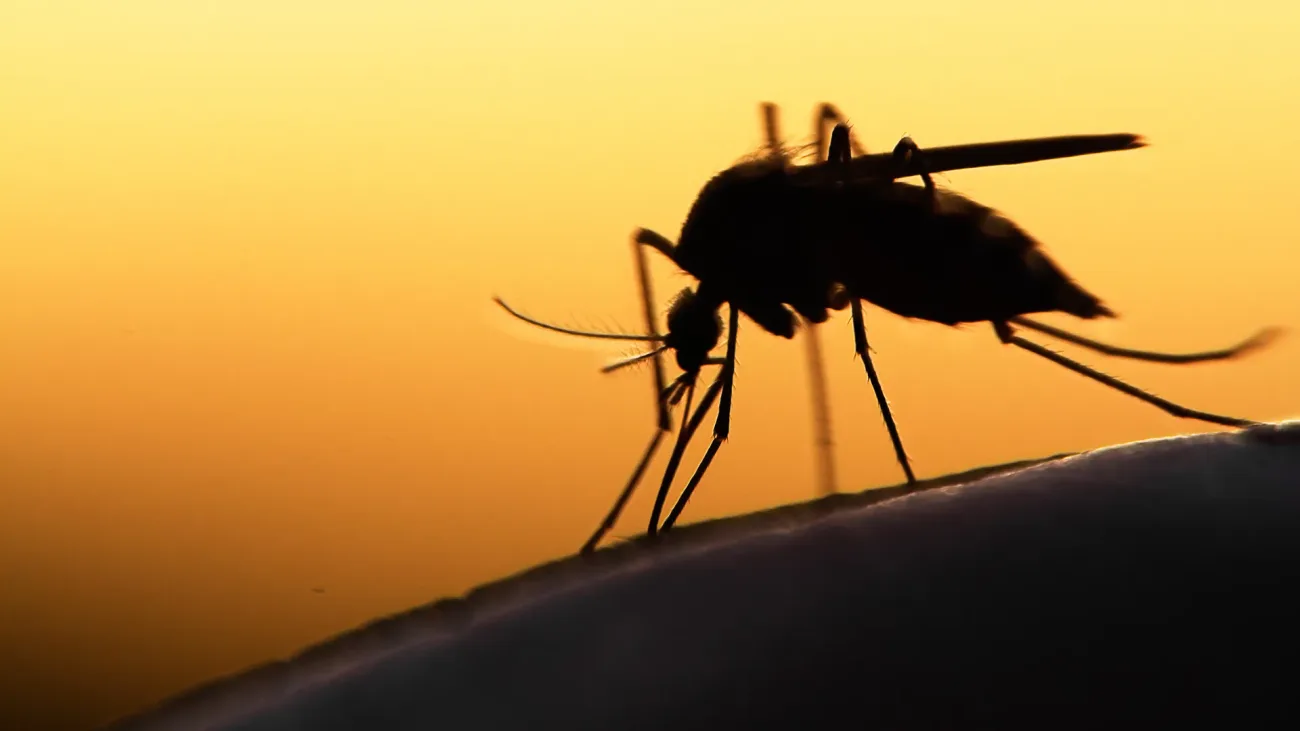
For decades, malaria treatment has relied on a delicate balance between medical innovation and the rapid evolution of the Plasmodium falciparum parasite. In West Africa, this balance is currently under pressure, You see, many times we have needed to treat ourselves with antimalaria multiple times before we become better, but why?. While frontline treatments remain functional, new data from 2024 and early 2026 indicates that the biological landscape is shifting. Understanding whether mosquitoes or the parasites they carry are becoming “immune” to our current drugs requires a look at two distinct but related types of resistance: insecticide resistance in mosquitoes and drug resistance in the malaria parasite itself.
Understanding the Double Threat
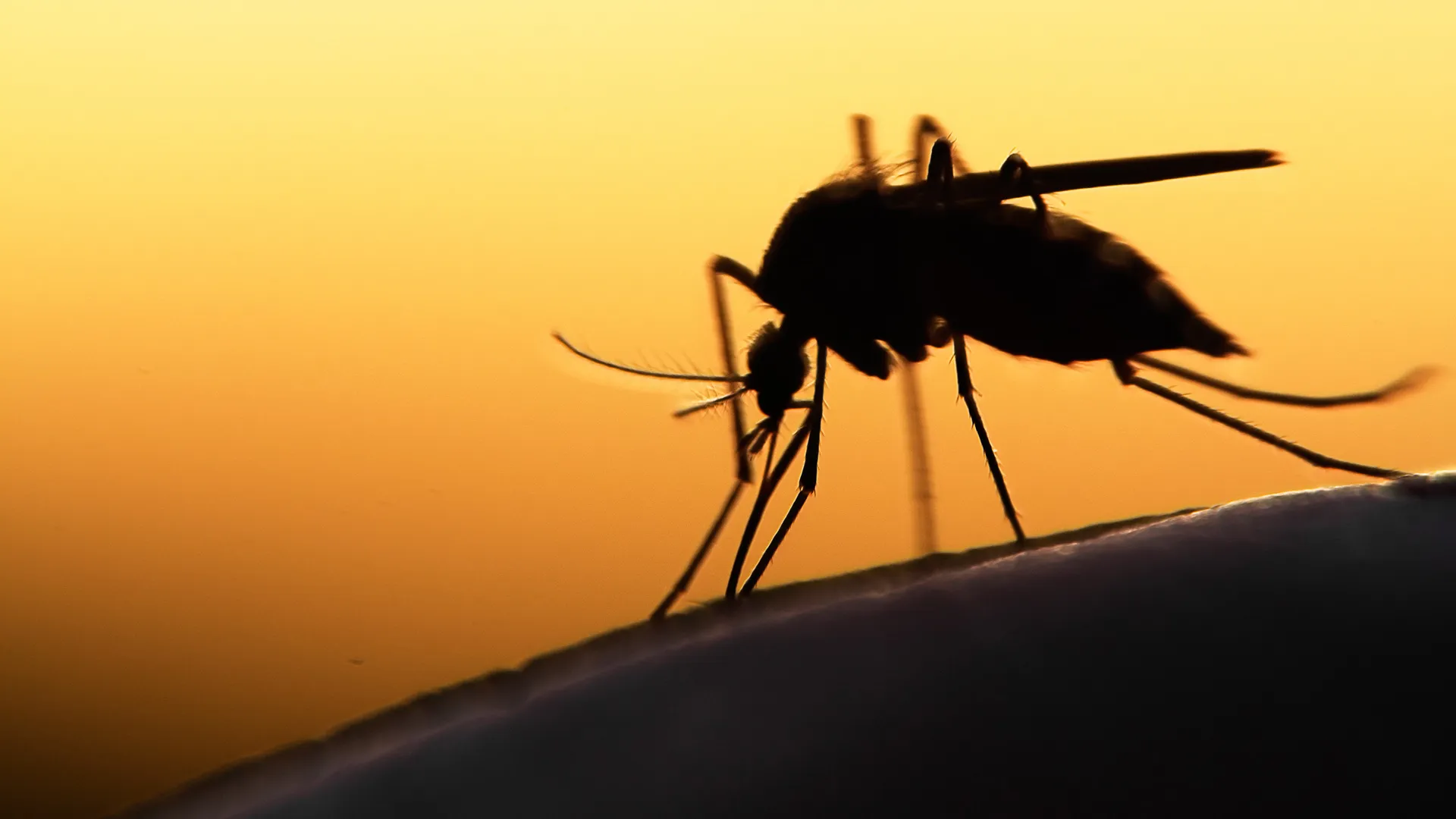
When people ask if mosquitoes are becoming resistant to antimalarial medications, they are usually describing two different biological hurdles. First, mosquitoes are becoming harder to kill with the chemicals used in bed nets and indoor sprays. Second, the parasites that mosquitoes inject into humans are evolving to survive the drugs we use to treat the infection.
Insecticide Resistance in Mosquitoes
Most malaria control programs in West Africa rely on Long-Lasting Insecticidal Nets (LLINs) and Indoor Residual Spraying (IRS). However, Anopheles mosquitoes have developed several ways to survive these interventions. Some have evolved “thick skins” (cuticular resistance) that prevent chemicals from soaking in, while others have developed internal enzymes that break down the poison before it works World Health Organization, 2025. This means that even if a mosquito is “resistant,” it is not resistant to the pills you swallow; rather, it is resistant to the tools meant to kill it before it can bite you.
Parasite Resistance to Medication
The more urgent medical concern is “partial resistance” to Artemisinin-Based Combination Therapies (ACTs). ACTs are the gold standard for treating malaria Malaria Consortium, 2025. They combine a fast-acting artemisinin derivative, which clears the bulk of parasites quickly, with a partner drug that stays in the blood longer to kill any stragglers. Resistance here means the parasite takes longer to clear from a patient’s blood, increasing the risk that the treatment might eventually fail.
Current Status of Resistance in West Africa
Until recently, artemisinin resistance was primarily a problem in Southeast Asia. However, the World Malaria Report 2025 and recent studies from early 2026 confirm that specific genetic mutations, particularly in the pfkelch13 gene, are appearing in West African countries like Nigeria, Ghana, and Burkina Faso Frontiers in Genetics, 2021/Updated 2025.
- Partial Resistance is Real: Scientists use the term “partial” because the drugs still work, but they work more slowly. Instead of clearing parasites in 24 to 48 hours, it may take 72 hours or more.
- Genetic Markers: Mutations such as A675V and C580Y have been detected in West Africa. These markers are like “warning lights” on a dashboard, indicating that the parasite is learning how to bypass the drug’s effects Parasites, Hosts and Diseases, 2025.
- Partner Drug Decline: There are also concerns regarding the partner drugs. For example, the efficacy of Artemether-Lumefantrine (AL), a very common ACT, has dropped below the 90% success threshold in some parts of Nigeria and Burkina Faso PubMed, 2025.
Why is Resistance Spreading?
Several factors contribute to the rise of these “super-parasites” in the region. The biology of the parasite is only half the story; human behavior and system failures play a substantial role.
- Substandard and Falsified Medicines: The use of “fake” or low-quality antimalarials exposes the parasite to doses that are too weak to kill it but strong enough to “teach” it how to survive Journal of Public Health in Africa, 2026.
- Incomplete Treatment Courses: When patients stop taking their medication as soon as they feel better, the strongest parasites remain alive. These survivors then multiply and spread to the next person through a mosquito bite.
- Monotherapy: Using artemisinin alone, without a partner drug, is a major driver of resistance. This practice is strictly discouraged by health ministries but still occurs in some informal sectors.
Treatment and Diagnosis in the Age of Resistance
For medical practitioners, the shift in resistance patterns changes how malaria is managed. It is no longer safe to assume that every fever will respond perfectly to the first line of treatment.
Diagnosis
Rapid Diagnostic Tests (RDTs) remain the primary tool, but even these are facing challenges. Some parasites in West Africa have developed a genetic “cloaking device” by deleting the pfhrp2/3 genes, which the tests look for World Health Organization, 2025. This can lead to false negative results in patients who are actually quite ill.
Evolving Treatments
Because of the declining efficacy of some standard ACTs, health organizations are looking toward “diversification.” This involves rotating different types of ACTs, such as:
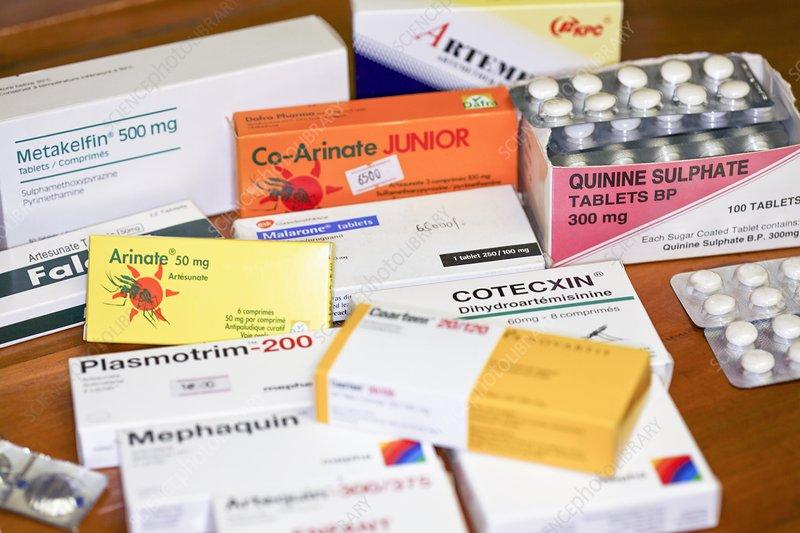
- Artesunate-Amodiaquine (AS-AQ)
- Dihydroartemisinin-Piperaquine (DHA-PPQ)
- Artesunate-Pyronaridine (AS-PY)
By using different drug combinations, we make it harder for the parasite to develop a universal defense Health Policy Watch, 2026.
Frequently Asked Questions (FAQ)
Does this mean malaria is now untreatable? No. Most malaria cases in West Africa are still successfully cured with standard ACTs. The term “resistance” currently refers to a delay in how fast the drug works, not a total failure of the medicine.
Can I still use a mosquito net if mosquitoes are resistant? Yes. Even if a mosquito can survive the chemical on the net, the net still acts as a physical barrier. Furthermore, newer “dual-active” nets use two different chemicals to overcome resistance WHO, 2025.
How can I tell if my malaria is resistant? If your fever does not go down within 48 to 72 hours of starting a full, high-quality dose of antimalarials, you should return to the clinic. Doctors can then check for “treatment failure” and potentially switch you to a different class of medication.
Are there new vaccines for this? Yes, vaccines like RTS,S and R21 are being rolled out across Africa. While they do not replace the need for drugs, they provide an extra layer of protection that does not depend on the parasite’s drug sensitivity Malaria Consortium, 2025.
Looking Ahead
The emergence of resistant parasites in West Africa is a notable challenge, but it is not a reason for panic. It demonstrates the need for stronger surveillance and better “drug stewardship” ensuring that the right medicines are used correctly every time. As we move through 2026, the focus remains on protecting the tools we have while fast-tracking the next generation of treatments.
