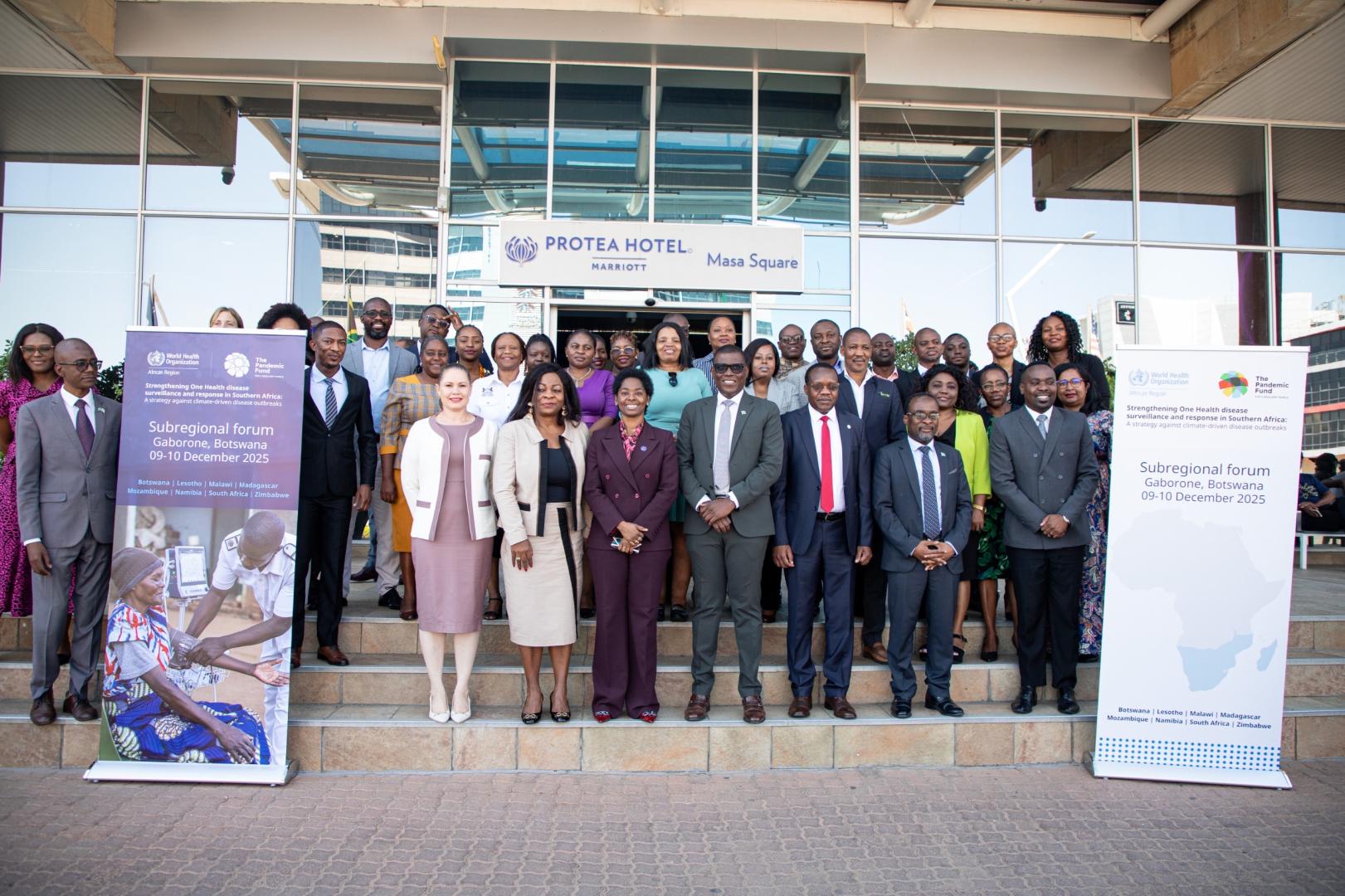
Southern Africa is taking a unified, proactive stance against the growing threat of disease outbreaks fueled by climate change. Eight nations: Botswana, Lesotho, Madagascar, Malawi, Mozambique, Namibia, South Africa, and Zimbabwe have launched a major, three-year initiative to drastically boost their pandemic preparedness and response capabilities.
Unifying for Regional Health Security
This vital effort, titled Strengthening One Health Disease Surveillance and Response in Southern Africa, is backed by a substantial USD $35.8 million grant from the Pandemic Fund. It is being coordinated by the World Health Organization (WHO) Regional Office for Africa.
The core goal is to prevent, detect, and rapidly respond to disease threats before they can spread across communities and borders, strengthening Southern Africa’s health security resilience.
Key Focus: The initiative integrates human, animal, and environmental health—the critical One Health approach to tackle disease emergence driven by environmental shifts.
Equipping the Front Lines: Early Detection & Surveillance
According to Dr. Dick Chamla, Pandemic Fund Portfolio Manager for WHO AFRO, the urgency is clear: “The health and economic risks from disease outbreaks don’t respect borders. This initiative gives countries the tools to respond early, protect lives, livelihoods, and regional stability.”
Since early 2025, implementation has been underway with significant early progress:
- Establishing Governance: National steering committees are overseeing project direction.
- Targeting Risk: Mapping of high-risk areas is guiding resource allocation.
- Building Capacity: Activities are underway to strengthen disease surveillance, enhance laboratory capacities, and equip frontline health workers.
Catalyzing Impact: Botswana Forum Convenes Leaders
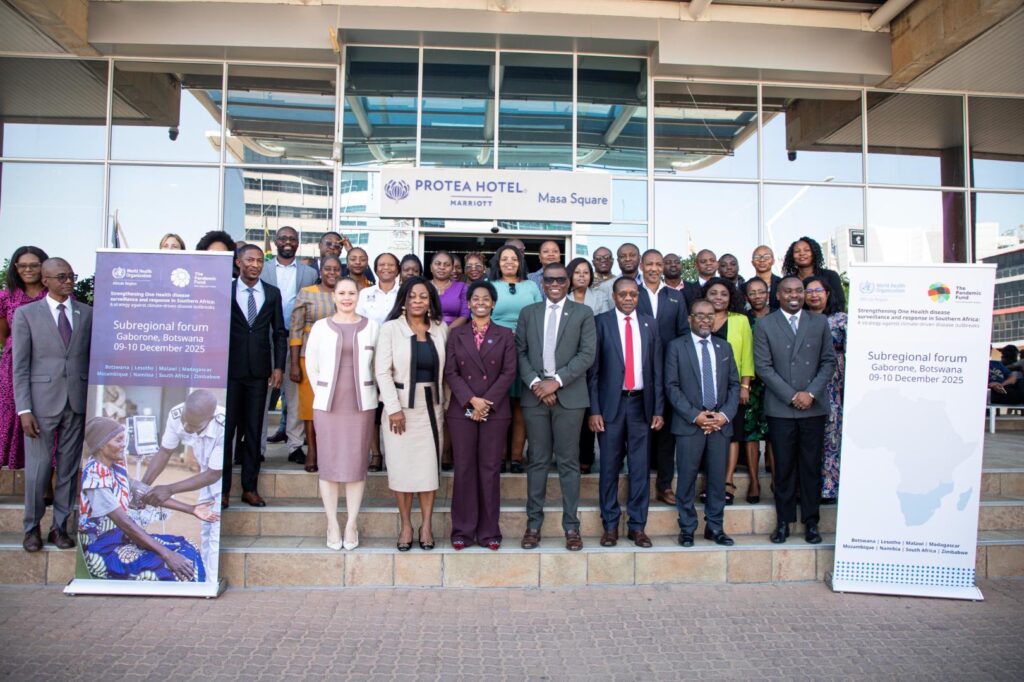
To accelerate progress and ensure consistent implementation across all eight nations, the WHO is convening the project’s first major face-to-face forum in Gaborone, Botswana.
This two-day event will:
- Promote Synergy: Align country workplans to maximize regional impact.
- Solidify Ownership: Strengthen the commitment of national governments.
- Foster Collaboration: Build subregional communities of practice around the project’s key themes.
The Power of Cross-Border Trust
Central to the project’s long-term success is fostering trust and shared accountability between countries and sectors.
As Dr. Fabian Ndenzako, WHO Representative to Botswana, highlighted: “Our Health security resilience depends on the resilience of our neighbours. When one country detects pathogens early, all benefit. When one laboratory confirms results faster, every country shortens the distance between warning and action.”
Beyond immediate outbreak preparedness, this massive regional project is expected to reduce the human and economic costs associated with health emergencies, and reinforce systems that protect people, borders, and economies from future crises.
** This Article has been Reviewed by Dr. Chimaobi Felix, MBBS
⚕ Medical Disclaimer
This article is for educational and informational purposes only and does not constitute medical advice, diagnosis, or treatment. Always consult a qualified healthcare provider before making any health decisions. The Healthy African is not liable for any actions taken based on the information provided on this site.