
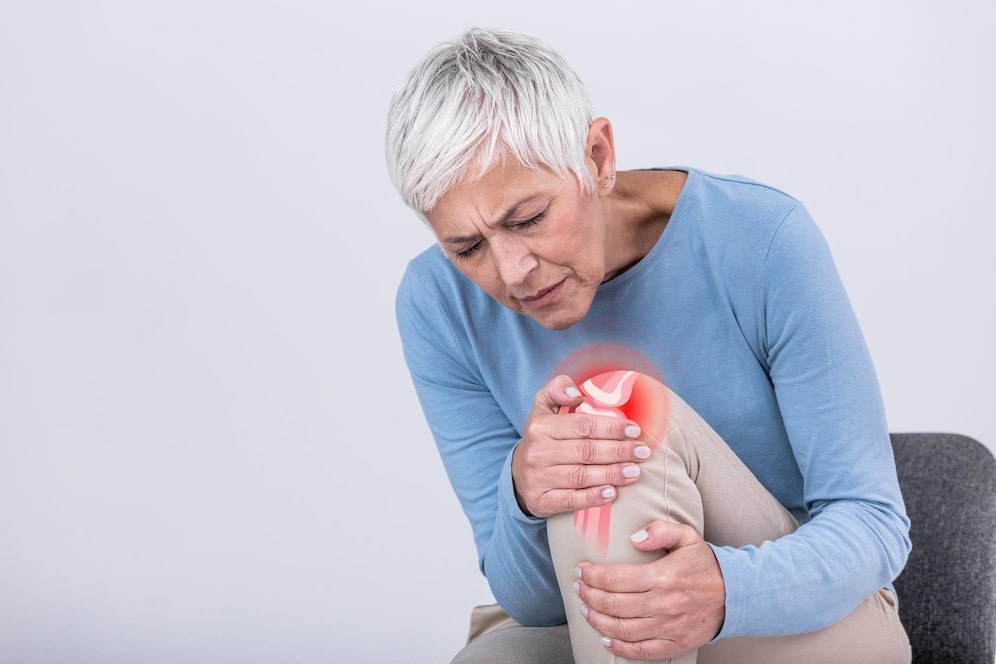
You woke up today with that familiar, heavy stiffness in your hands or knees, and the first thing you probably felt wasn’t just physical discomfort; it was a wave of anxiety. For a long time, the medical world offered a relatively straightforward, if flawed, solution for that grinding arthritis pain. You were likely handed a prescription for a synthetic opioid or an opioid analgesic, those lab-created narcotic relievers that promised to dull the sharp edges of your day.
Now, the landscape has shifted beneath your feet. New regulations and sweeping bans on these specific synthetic compounds have left many people like you feeling stranded. It feels as though the safety net has been pulled away in the name of a larger public health crisis, leaving you to navigate a world where your main source of relief is now viewed with suspicion or outright restricted. This creates a unique kind of isolation, where a bureaucratic barrier compounds your struggle for mobility.
The shift away from synthetic opioids like tramadol or oxycodone derivatives is often framed as a triumph for safety. Still, for the person whose joints feel like they are filled with broken glass, it feels more like a betrayal.
Arthritis is a disorder of the joints. It causes pain, swelling, and stiffness, which makes movement difficult. Although there is no cure for arthritis, early detection will help you find relief from the symptoms.
You are not looking to get high; you are looking to get to the grocery store or to pick up your grandchild. The current environment treats these medications as the primary villain, which, unfortunately, ignores the reality that many people with moderate to severe arthritis have found them to be the only thing that works when standard anti-inflammatory drugs fail. When these options are removed, the gap left behind is massive. However, it is important to realize that the end of one era of treatment is actually opening the door to more targeted, modern interventions that do not rely on the same addictive pathways. You deserve more than just a “sorry, we cannot prescribe that anymore” from your doctor. You deserve a roadmap to real, functional relief that actually respects the complexity of your biology.
One of the most promising shifts in modern pain management involves a medication called Low-Dose Naltrexone, or LDN. Traditionally, naltrexone was used at high doses to treat addiction, but researchers discovered something fascinating when they dialed the dosage down to a micro-level. At these tiny amounts, LDN does not block your opioid receptors in a way that causes withdrawal; instead, it acts as a powerful anti-inflammatory for your brain and spinal cord. It targets the microglia, which are essentially the immune cells of your central nervous system.
When you have chronic arthritis, these cells can become “primed” or over-activated, sending out a constant stream of inflammatory signals that keep your pain levels high even on days when your joints are not particularly swollen. By taking a customized micro-dose of LDN, you can essentially tell those cells to calm down. This treatment is gaining a lot of traction in trendy functional medicine circles because it has a very low side-effect profile and does not carry the risk of respiratory depression or addiction. You will likely need to find a doctor who is well-versed in off-label prescribing or a functional medicine specialist to explore this, as it is a tailored approach that requires a bit of fine-tuning to find your “sweet spot.”
Beyond internal medication, we are seeing a massive surge in the effectiveness of “bespoke” topical treatments. For years, the only thing available over the counter was a simple cooling gel or a basic lidocaine patch. Modern compounding pharmacies have changed that game entirely. Instead of a one-size-fits-all pill that has to travel through your entire digestive system and liver before it reaches your knee, these pharmacies can create a high-potency cream that combines several different classes of medicine into one application.
Imagine a custom cocktail that includes a high-dose non-steroidal anti-inflammatory, a nerve-calming agent like gabapentin, and even a tiny amount of ketamine, which acts on specific pain receptors to reset the local “pain alarm.” Because you apply this directly to the skin over the affected joint, the concentration of the medicine stays right where you need it. Very little of it enters your bloodstream, which means you avoid the brain fog, stomach ulcers, or kidney strain that often come with oral medications. This is a sophisticated way to get “narcotic-level” relief without the systemic risks of a synthetic opioid.
If you find that your pain is more structural and localized, you might want to look into a technology called Cooled Radiofrequency Ablation. This sounds a bit like science fiction, but it is a very real, minimally invasive procedure that is becoming a go-to for severe knee and hip arthritis. In a standard ablation, a doctor uses heat to “turn off” the sensory nerves around the joint. The “cooled” version is an upgrade because it uses a specialized probe that circulates water, allowing the heat to spread more evenly over a larger area of the nerve.
This creates a larger treatment zone and often provides relief that lasts anywhere from six months to a year. It is essentially a way to “mute” the pain signals from that specific joint without surgery. For the person who has been told they are not yet a candidate for a joint replacement but can no longer get their opioid prescription filled, this procedure can be a total life-changer. It bridges the gap between physical therapy and major surgery by physically interrupting the path that pain takes to your brain.
We also have to talk about the role of regenerative medicine, which is finally moving from the fringes into the mainstream. Treatments like Platelet-Rich Plasma, or PRP, involve taking a small sample of your own blood, concentrating the growth factors, and injecting them directly into the arthritic joint. While earlier versions of this were a bit hit-or-miss, modern protocols have become much more precise. The goal here is not just to mask the pain but to actually change the environment inside the joint. Arthritis creates a “toxic soup” of inflammatory proteins; PRP helps to balance that environment and can sometimes even help to thicken the remaining cartilage or stabilize the joint. This is a far cry from the “band-aid” approach of a synthetic opioid. It is a long-term investment in your joint health that addresses the root cause of why it hurts in the first place.
Finally, do not underestimate the power of a medical-grade anti-inflammatory protocol, and I am not talking about the generic advice to “eat your greens.” Modern nutritional science suggests that certain highly concentrated compounds can mimic the pathways of some pain relievers. For example, high-dose, pharmaceutical-grade Omega-3 fatty acids or specialized pro-resolving mediators can help your body “shut off” the inflammatory response more efficiently. Many people find that when they combine these with a diet that strictly eliminates pro-inflammatory triggers like refined seed oils and excessive sugars, their baseline pain drops enough that they no longer feel they are in a crisis. It is not an overnight fix, but it provides a foundation that makes all your other treatments work better.
You are in a difficult position right now, caught between your own physical needs and a shifting legal landscape, but you are not powerless. The loss of access to synthetic opioids is a hurdle, but it is also an invitation to build a more resilient, multifaceted approach to your health. Your pain is real, and your frustration is valid. The key is to stop looking for one single pill to do all the work and instead start layering these modern, targeted solutions together. You can find relief that is actually more sustainable and safer in the long run.
** This Article has been Reviewed by Dr. Chimaobi Felix, MBBS
⚕ Medical Disclaimer
This article is for educational and informational purposes only and does not constitute medical advice, diagnosis, or treatment. Always consult a qualified healthcare provider before making any health decisions. The Healthy African is not liable for any actions taken based on the information provided on this site.