
You know, before most people start exercising, they believe deep down that being physically active was an impossible task, not just to start, but to be consistent with it. But they begin to enjoy it when it becomes easier and they see the benefit to their health overall. Today i will tell you what consistently being physically active does to your body. You see the human body possesses a remarkable capacity for adaptation. When a person commits to a regular exercise routine, they initiate a complex series of physiological shifts that alter everything from cellular metabolism to cognitive function, basically rewiring how your cells behave. Understanding the step by step progression of these changes helps individuals stay motivated through the initial hurdles of a new fitness journey.

The Immediate Response: The First Twenty Four Hours
Firstly, especially when you hit the Gym, the transformation begins the moment physical activity starts.Think of your muscles like a high-performance engine. When you start moving, that engine suddenly needs more fuel to keep running.
The “fuel” your cells use is a molecule called ATP. Because your muscles don’t keep a huge backup supply of it, your body has to react the second you start your workout:
The Brain Boost: At the same time, your brain sends out “feel-good” chemicals called endorphins and dopamine. These are the body’s natural painkillers and mood lifters. They help dull the discomfort of the workout and give you “runner’s high,” making you feel more positive and energized almost immediately. (That’s why you feel happy after your first day at the gym)
The Heart Pump: Your heart beats faster to act like a delivery truck, rushing fresh oxygen to your muscles so they can create more ATP fuel on the spot.
The Blood Flow: Your blood vessels widen (dilate) like opening extra lanes on a highway. This directs the blood away from your stomach or kidneys and sends it straight to the “active zones,” like your legs if you are running.
On a molecular level, even a single session of moderate intensity exercise improves insulin sensitivity. Research published in the Journal of Applied Physiology demonstrates that glucose transport into cells remains elevated for hours after a workout. This makes early intervention through movement a primary tool for managing blood sugar levels in prediabetic populations.
The First Few Weeks: Neuromuscular Coordination
During the initial two to four weeks of consistency, most visible changes remain internal. Many beginners notice they feel stronger despite no measurable increase in muscle size. This phenomenon results from improved neuromuscular adaptation. The nervous system becomes more efficient at recruiting motor units, which allows muscles to fire in a more synchronized fashion.
Concurrently, the body begins to expand its plasma volume. This increase in blood volume helps the heart pump more blood per beat and improves the body’s ability to regulate temperature through sweating. During this period, the mitochondria, the energy producing organelles within cells, start to increase in density. This cellular shift allows the body to burn fat more efficiently and preserves glycogen stores for higher intensity efforts.
One to Three Months: Structural and Metabolic Shifts
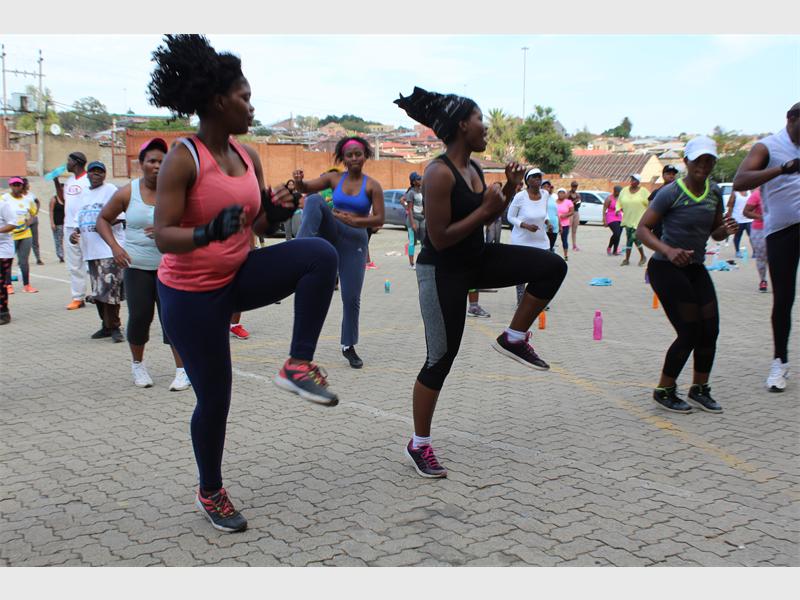
After twelve weeks of adherence, the structural changes to the cardiovascular system become more pronounced. The heart undergoes beneficial remodeling, specifically an increase in the size and strength of the left ventricle. This allows the heart to circulate blood with less effort, which typically leads to a lower resting heart rate.
Metabolically, the body becomes more adept at utilizing oxygen. According to data from the American Heart Association, improvements in cardiorespiratory fitness are among the strongest predictors of long term longevity. At this stage, individuals often notice a visible change in body composition. As muscle tissue is more metabolically active than fat tissue, the basal metabolic rate begins to climb, which aids in weight maintenance even during rest.
Six Months and Beyond: Long Term Systemic Health
When you stick with exercise for more than six months, it stops being a “quick fix” and starts changing how your body is built from the ground up. At this stage, your body has fully accepted its new, active lifestyle and makes permanent upgrades to keep you strong and healthy, I mean this is good for you.

Stronger Bones and Tissues
Think of your bones like a bank account. When you do activities like walking, running, or lifting weights, the “stress” on your bones actually tells your body to deposit more minerals into them. This makes your bones denser and much harder to break as you get older. At the same time, your tendons and ligaments, you know the “cables” that hold your joints together get thicker and tougher. This acts like a natural suit of armor that protects you from common injuries. This helps keeps you strong even when you age.
A Natural Shield Against Disease
Regular movement also changes your internal chemistry. It lowers a marker in your blood called C-reactive protein, which is a sign of inflammation. High inflammation is linked to many long-term health problems, so by keeping it low, you are essentially cleaning out your internal “pipes” and reducing your risk of getting sick. Your immune system becomes more efficient at patrolling your body and fighting off invaders.
A Growing Brain
Perhaps the most amazing change happens in your head. Long-term exercise helps grow new brain cells, particularly in a section called the hippocampus. Since the hippocampus is the control center for memory and learning, exercise acts like a “brain fertilizer.” This helps keep your mind sharp as you age and provides a powerful defense against memory loss and dementia.
Other Benefits
The above mentioned are quite significant, below are other great benefits of consistent exercising
Hormonal Balance: For many, regular movement helps regulate hormones that control appetite and stress, making it easier to maintain a healthy weight and a steady mood.
Improved Sleep Quality: Regular activity helps you fall asleep faster and deepens the time spent in restorative sleep stages.
Enhanced Digestive Health: Movement stimulates the muscles in the digestive tract, which helps food pass through more efficiently and supports a healthy gut microbiome.
Higher Energy Levels: By improving the efficiency of your heart and lungs, exercise ensures your tissues receive more oxygen, leaving you with more stamina for daily tasks.
Better Skin Health: Increased blood flow during exercise delivers essential nutrients to skin cells and carries away waste products, often resulting in a clearer complexion.
Posture and Balance: Strengthening the core and back muscles helps you sit and stand taller, which reduces chronic neck and shoulder pain.
Closing note
Being Physically active can be very difficult, but with consistency it becomes a lifestyle that keeps you healthy , strong , and ensures longevity.
** This Article has been Reviewed by Dr. Chimaobi Felix, MBBS
⚕ Medical Disclaimer
This article is for educational and informational purposes only and does not constitute medical advice, diagnosis, or treatment. Always consult a qualified healthcare provider before making any health decisions. The Healthy African is not liable for any actions taken based on the information provided on this site.