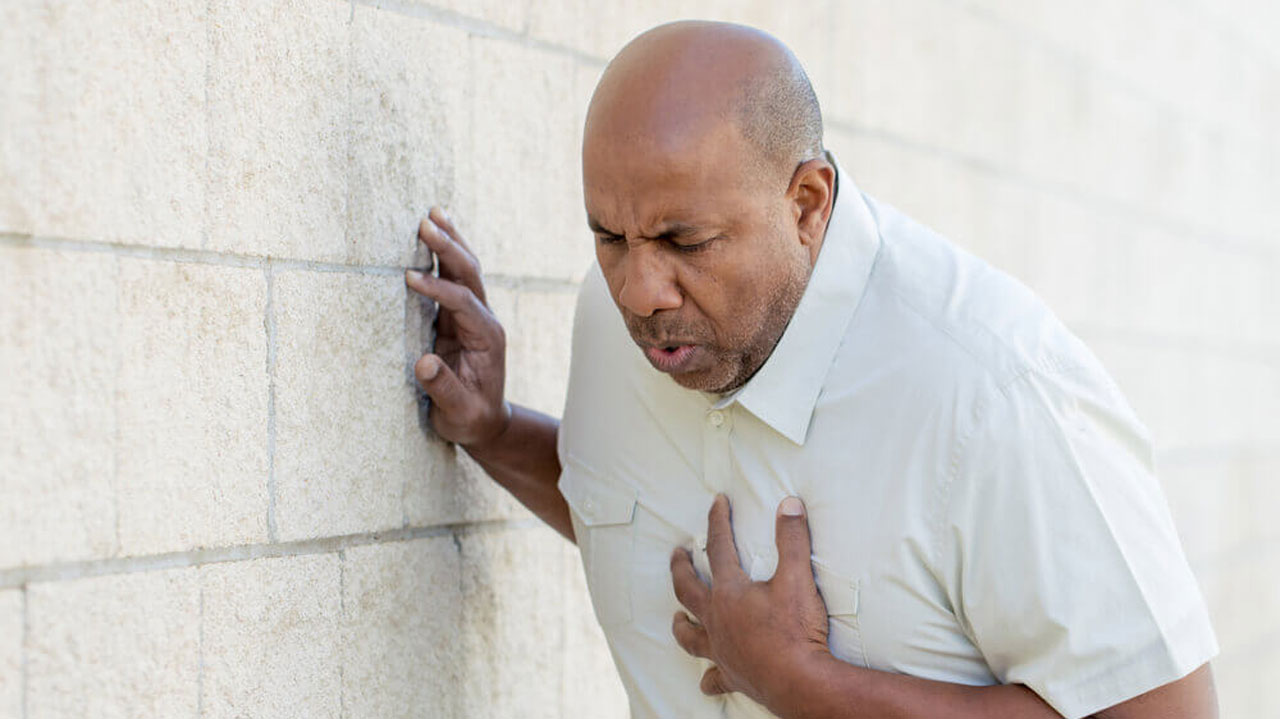
A heart attack is known in the medical world as an acute myocardial infarction. It is a serious emergency. It affects millions of people globally. In simple terms, it happens when a part of the heart muscle does not get enough blood. Without blood, the muscle loses its oxygen supply and begins to die.
It is helpful to understand a heart attack as a moving event rather than a single moment in time. The longer the blood flow is blocked, the more damage the heart sustains. This is why doctors often say “time is muscle.” The faster you get help, the more of your heart can be saved.
How a Heart Attack Happens: From Clogged Pipes to Muscle Damage
To understand a heart attack, imagine your heart is a high-performance engine. To keep running, this engine needs a constant supply of fuel (oxygen-rich blood). This fuel is delivered through a network of “fuel lines” called coronary arteries.
The Slow Buildup
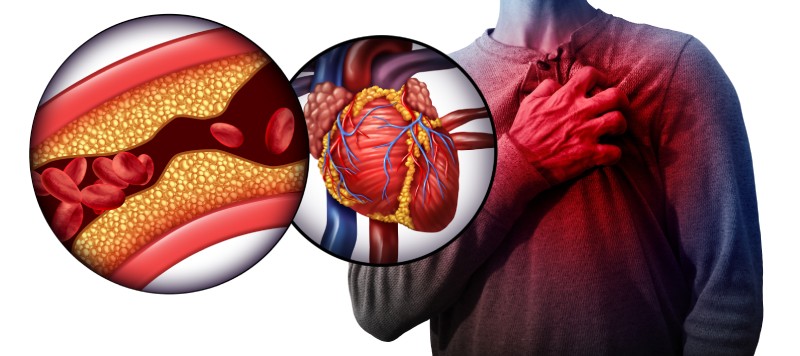
Most heart attacks are caused by coronary artery disease. Over many years, your arteries can become narrowed by a buildup of “gunk” called plaque. This plaque is a sticky mix of cholesterol, fats, and waste products from your cells. Doctors call this slow clogging process atherosclerosis (See how this can also cause a stroke). Think of it like old plumbing pipes slowly getting backed up with mineral deposits; the water can still flow, but the opening gets smaller and smaller.
The Sudden Snap
A heart attack usually does not happen just because a pipe is narrow. Instead, it happens because a piece of that sticky plaque suddenly “snaps” or ruptures. When the plaque breaks open, it creates a raw spot inside the artery.
Your body sees this raw spot as an injury and rushes to fix it by forming a blood clot. While your body is trying to help, this clot acts like a sudden plug in the line. If the clot is big enough, it completely blocks the blood flow.
Muscle in Distress
The moment the blood flow stops, the heart muscle on the other side of the “plug” begins to starve for oxygen. This state of oxygen starvation is called ischemia.
- The Clock is Ticking: If the blood flow is restored quickly, the muscle can often be saved.
- Permanent Damage: If the blockage lasts too long, the starving muscle cells begin to die. This is called necrosis. Once these cells die, they turn into scar tissue, which cannot pump blood. This is why the damage from a heart attack can lead to long-term heart failure.
Now you know what causes a Heart Attack, lets talk about you can identify one quickly, and possible save a life or yours.
How to Identify a Heart Attack
A heart attack does not always look like the “chest-clutching” moment you see in movies. Symptoms can be subtle and vary between men and women.
- Chest Discomfort: This is the most common sign. It often feels like uncomfortable pressure, squeezing, fullness, or pain in the center of your chest. It usually lasts more than a few minutes, or it may go away and come back.
- Upper Body Pain: You might feel discomfort or pain in one arm, especially the left arm or it could be both arms in some case, the back, neck, jaw, or stomach.
- Shortness of Breath: This often comes along with chest discomfort, but it can also happen before you feel any pain at all.
- Cold Sweats: Breaking out in a sudden cold sweat without a clear reason can be a red flag, especially in older patients.
- Nausea or Lightheadedness: Some people feel like they have severe indigestion or feel suddenly dizzy and faint.
- Atypical Symptoms in Women: Women are more likely than men to experience shortness of breath, nausea, vomiting, and back or jaw pain without the classic heavy chest pressure.
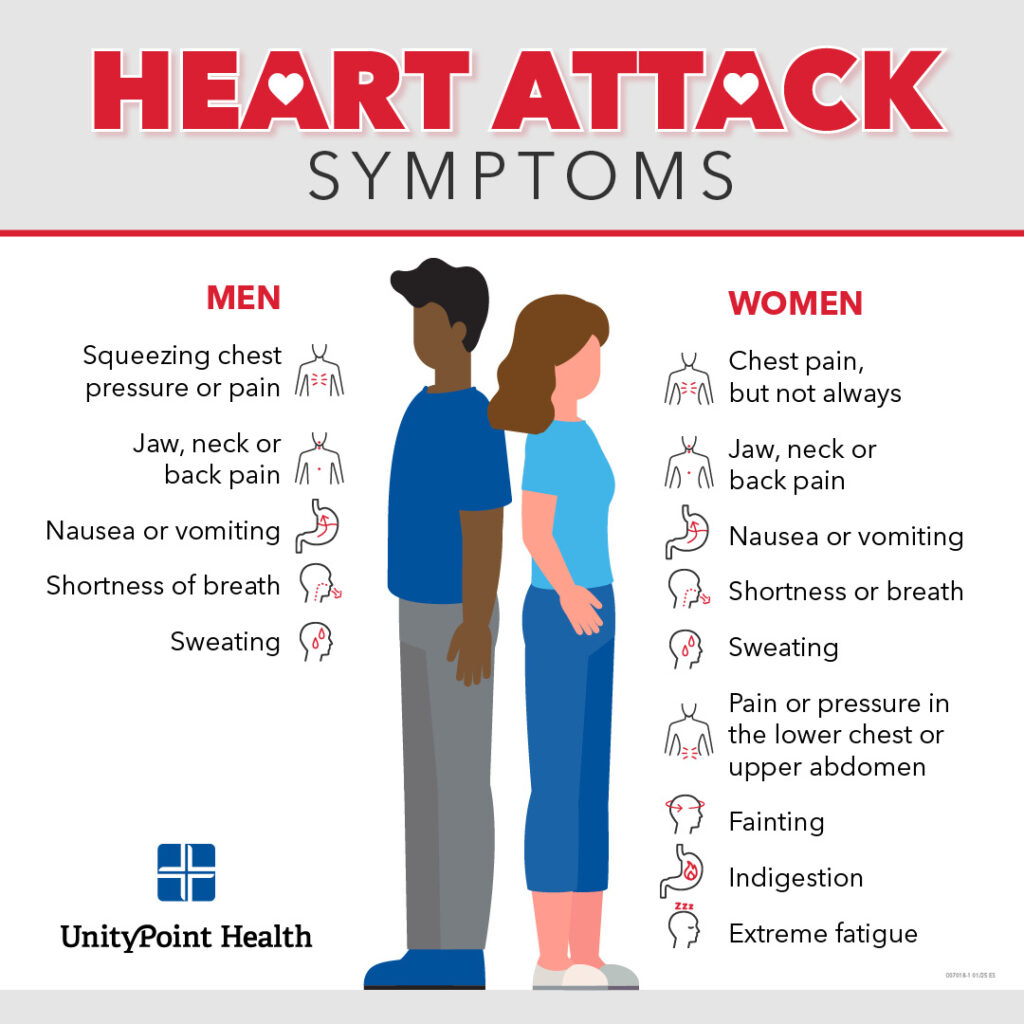
All the symptoms will no typically appear together, maybe one or two, but it is a good thing to be able to spot anyone of them in time. So now you know how to identify a Heart Attack, what do you do next?
Immediate Action: What to Do
If you suspect you or someone else is having a heart attack, you must act fast. Do not try to “wait it out” to see if the pain goes away.
- Call Emergency Services: Dial your local emergency number immediately. Click here to get for your Country. Do not try to drive yourself to the hospital; paramedics can start life-saving treatment the moment they arrive.
- Chew an Aspirin: If the person is not allergic, have them chew and swallow one adult-strength aspirin (300mg). Chewing it helps it get into the system faster to help thin the blood and slow down the clot.
- Stay Calm and Sit Down: Have the person sit or lie down. Loosen any tight clothing and try to keep them calm to keep their heart rate low.
- Perform CPR if Necessary: If the person becomes unconscious and stops breathing, call for an Automated External Defibrillator (AED) and begin Hands-Only CPR. Push hard and fast in the center of the chest.
- If Emergency services are not available, take the person to the nearest Hospital as soon as possible
Identifying the symptoms of a heart attack is a critical skill that can save lives, And because “time is muscle” , Whether it is classic chest pressure or more subtle signs like jaw pain or sudden fatigue, recognizing these signals and calling emergency services immediately or taking patient to the nearest Hospital can prevent permanent heart damage and save their life.
Frequently Asked Questions
Does a heart attack always cause a flatline? No. A heart attack is a blockage in the “plumbing” of the heart. A “flatline” usually refers to cardiac arrest, which is an electrical problem where the heart stops beating. However, a heart attack is a major cause of cardiac arrest.
What does the pain feel like exactly? Many people describe it as an “elephant sitting on my chest” or a dull, heavy ache. It is rarely a sharp, stabbing pain that happens when you take a deep breath.
Can stress cause a heart attack? Severe emotional stress can trigger a heart attack in people who already have narrowed arteries, as it puts extra strain on the heart muscle.
** This Article has been Reviewed by Dr. Chimaobi Felix, MBBS
⚕ Medical Disclaimer
This article is for educational and informational purposes only and does not constitute medical advice, diagnosis, or treatment. Always consult a qualified healthcare provider before making any health decisions. The Healthy African is not liable for any actions taken based on the information provided on this site.