


Diabetes mellitus represents a group of metabolic disorders characterized by persistent hyperglycemia resulting from defects in insulin secretion, insulin action, or both. In a healthy physiological state, the pancreas releases insulin to facilitate the transport of glucose into cells for energy production. That might be a bit difficult to understand, so let me break it down. Imagine your body is a city where every house (your cells) needs fuel (sugar) to keep the lights on. This fuel travels through the city on a highway (your bloodstream).
To get the fuel inside a house, you need a key called insulin. This key is made in a factory called the pancreas.
How Diabetes Happens:
- Type 1 Diabetes (Broken Factory): The factory is destroyed and stops making keys. Without keys, the fuel can’t get into the houses. It stays stuck on the highway, creating a massive traffic jam.
- Type 2 Diabetes (Rusty Locks): The factory makes keys, but the locks on the doors have become “rusty” and won’t turn. This is called insulin resistance. The fuel backs up on the highway because the keys aren’t working properly.
The Danger: When too much sugar stays on the highway (high blood sugar), it starts to damage the road walls. Over time, this “corrosion” hurts your eyes, heart, and kidneys. According to the International Diabetes Federation , over 500 million people are currently dealing with these “traffic jams.”
Hope you get it now?
You see, the physiological impact of chronic high blood sugar extends to nearly every organ system. In the short term, patients may experience polyuria, polydipsia, and unexplained weight loss. Over time, the vascular damage becomes more pronounced affecting the kidneys, eyes, even the Nervous system. The World Health Organization emphasizes that diabetes is a leading cause of blindness, kidney failure, and lower limb amputation. Managing these risks requires a multi-pronged approach centered on glycemic control, blood pressure management, and lipid regulation.
Role of Diet in Diabetic management
Strategic meal planning serves as the cornerstone of diabetes management. Medical Nutrition Therapy (MNT) is not merely about restriction; it is a clinical approach to stabilizing blood glucose levels through the timing and composition of macronutrients. For a person with diabetes, every meal acts as a pharmacological intervention. Consistent carbohydrate intake prevents the sharp “spikes” and “crashes” that contribute to glycaemic variability. Research published in the Journal of the Academy of Nutrition and Dietetics demonstrates that personalized nutrition plans can reduce HbA1c levels by up to 2.0% in Type 2 patients, a result comparable to some oral medications.
The primary goal of a diabetic meal plan is to improve insulin sensitivity and support a healthy weight. Since adipose tissue, particularly visceral fat, increases insulin resistance, even modest weight loss can enhance metabolic function. A well-constructed plan focuses on the Glycemic Index (GI), which ranks foods based on how quickly they raise blood sugar. Low GI foods like legumes and non-starchy vegetables provide sustained energy, whereas high GI foods like white bread or sugary cereals cause rapid glucose elevation.
The African Diabetic Plate Method
You do not need expensive “foreign” health foods or complicated scales to manage diabetes. You can use a standard dinner plate and local ingredients to “oil the locks” of your body.
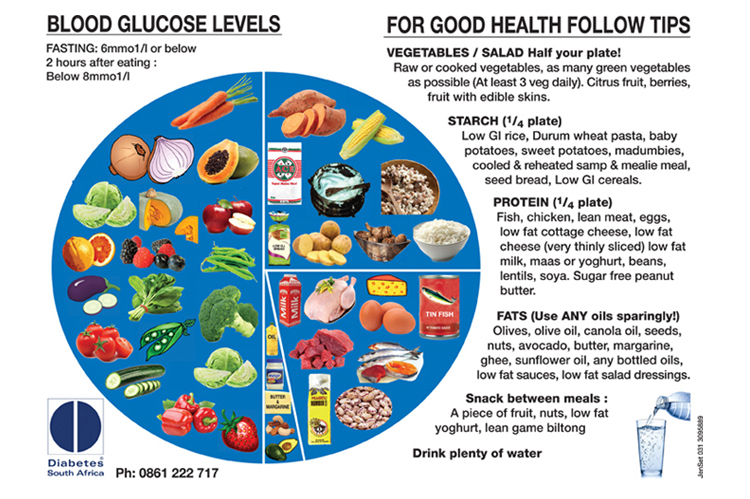
1. Half the Plate: The Green Shield Fill half your plate with non-starchy vegetables. In an African context, this means plenty of spinach (efo), garden eggs, okra, cabbage, or pumpkin leaves (ugu). These are full of fiber, which acts like a broom, sweeping the sugar out of your blood slowly so it doesn’t pile up.
2. One Quarter: The Builders This section is for lean proteins that keep you strong and full. Excellent local choices include fresh or grilled fish, lean goat meat, chicken (without the skin), or beans and lentils.
3. One Quarter: The Energy Source Instead of a mountain of white rice or fufu, use this small space for “slow-burning” swallows and grains. Options like unripe plantain, ofada (local brown) rice, guinea corn (sorghum), or boiled sweet potatoes are better for your sugar levels than highly processed flours.
4. The Healthy Extras Add a small amount of “good fats” like avocado (pear) or use a little olive or vegetable oil for cooking. These help your heart stay strong, which is vital since diabetes can be tough on the heart.
Small Changes, Big Results
The goal is to move away from processed “white” foods like white bread, sugar-sweetened soft drinks, and refined flour and return to the whole, natural foods our ancestors thrived on. As noted by the American Diabetes Association , focusing on whole foods is the best way to avoid the heart problems that often come with diabetes.
Diet for Diabetics is so important and clearly can not be over emphasized. However, it by itself is not the only gateway to maintaining a good Blood sugar control.
Integrating Holistic Management and Professional Reviews
Diet alone rarely manages diabetes in isolation. A holistic strategy involves regular physical activity, which increases glucose uptake by muscles independently of insulin. The American College of Sports Medicine recommends at least 150 minutes of moderate-intensity aerobic activity per week, combined with resistance training. Exercise improves cardiovascular health and helps maintain the weight loss achieved through nutritional changes.

Professional guidance of your diet is vital for tailoring these strategies to an individual’s specific needs. A Registered Dietitian (RD) or a Certified Diabetes Care and Education Specialist (CDCES) can provide specific carbohydrate counting techniques and help navigate cultural or lifestyle preferences. Furthermore, regular visits to an endocrinologist (Specialist Medical consultants that manages Diabetic patients) are necessary to monitor disease progression and adjust medications. These specialists track markers like the A1C test, which provides a three-month average of blood glucose levels, and check for early signs of kidney or nerve damage.
The synergy between medical supervision, physical activity, and precise nutrition creates a framework where patients can live long, healthy lives. By viewing food as a tool for stability rather than a source of stress, individuals with diabetes can regain control over their metabolic health.
Frequently Asked Questions
Can I eat fruit if I have diabetes?
Yes, fruit is a source of fiber and vitamins. However, fruits contain natural sugars, so it is best to choose whole fruits over juices and monitor portion sizes. Berries and citrus fruits generally have a lower glycemic impact than tropical fruits like mangoes or pineapples.
Is a “no-carb” diet best for sugar control?
While reducing refined carbohydrates is beneficial, a completely “no-carb” diet is often difficult to sustain and may lack essential fiber. The focus should be on the quality of carbohydrates, opting for fiber-rich complex carbs that digest slowly.
How often should I see a specialist?
Most clinical guidelines suggest seeing an endocrinologist every three to six months, depending on how well the blood sugar is managed. Regular eye exams and foot checks should also occur at least once a year to screen for complications.
Why is fiber so important for diabetics?
Fiber, particularly soluble fiber, slows the digestion of carbohydrates and the absorption of sugar. This leads to more gradual changes in blood glucose levels. High-fiber diets are also linked to improved cholesterol levels and better heart health.
Does exercise cause hypoglycemia?
Physical activity can lower blood sugar, sometimes significantly. Patients taking insulin or certain oral medications should check their glucose levels before and after exercise and carry a fast-acting carbohydrate source, such as glucose tabs, in case of a drop.
** This Article has been Reviewed by Dr. Chimaobi Felix, MBBS
⚕ Medical Disclaimer
This article is for educational and informational purposes only and does not constitute medical advice, diagnosis, or treatment. Always consult a qualified healthcare provider before making any health decisions. The Healthy African is not liable for any actions taken based on the information provided on this site.