
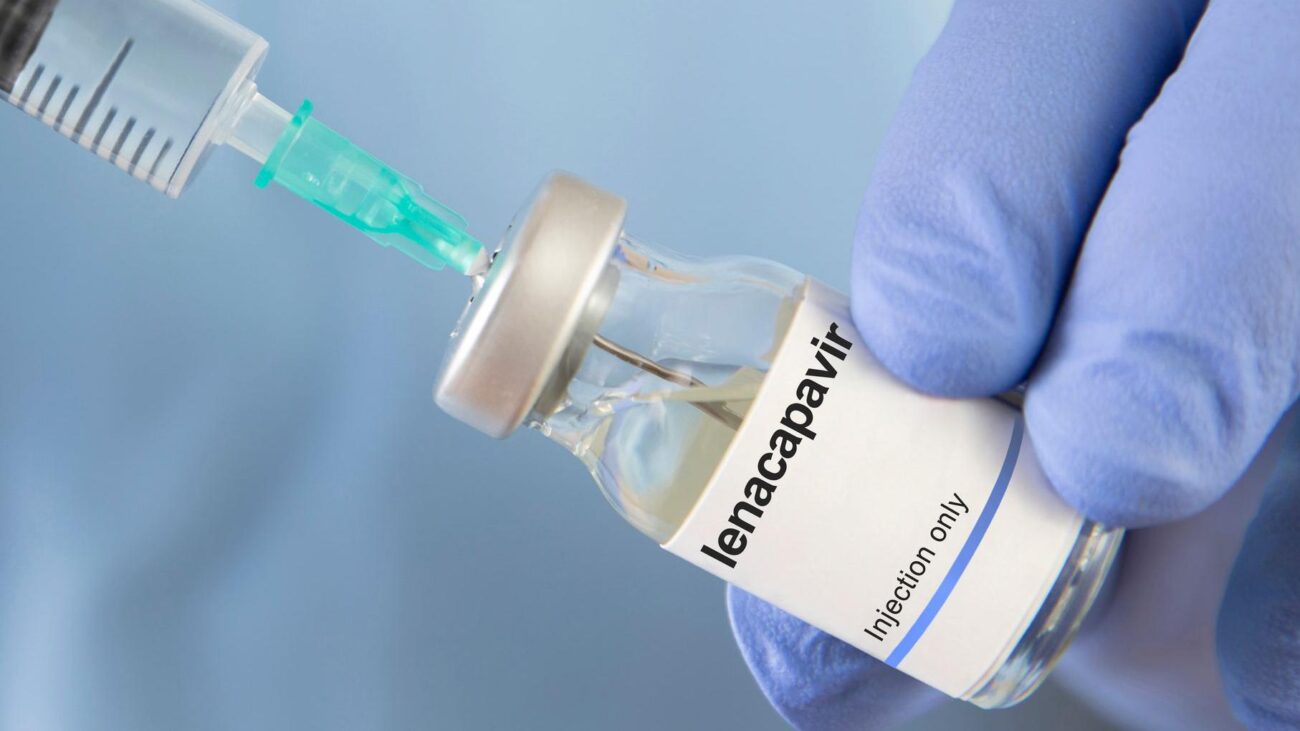
For decades, HIV/AIDS eradication has been a somewhat elusive goal for the global medical community. While the journey has seen its share of setbacks, 2026 marks a pivotal year for HIV research on the African continent. New clinical trials are launching, and while a commercially available “shot” that provides permanent immunity is not yet on pharmacy shelves, the science has never been closer, Hence the news circulating around social media of a Vaccine is false as of the day of writing this article.
As of early 2026, there is no approved, preventative HIV vaccine available in Nigeria or globally. However, high-efficacy, long-acting PREVENTION options, such as the twice-yearly injectable drug Lenacapavir, are being introduced in Nigeria to provide near-complete protection. This is to say it is not a ‘Vaccine’ but a long active injectable prophylaxis.
Understanding the current landscape requires looking at the immense burden the virus still places on African health systems and the innovative technologies being tested to alleviate it.
The HIV/AIDS Burden in Africa
Sub-Saharan Africa remains the global epicenter of the HIV epidemic. According to UNAIDS 2025 data, approximately 26.3 million people in the African region are living with HIV. This represents over 60% of the global total.
The human cost is equally notable. In 2024, nearly 630,000 people died globally from AIDS-related illnesses, with a substantial portion of these deaths occurring in Southern and Eastern Africa. While antiretroviral therapy (ART) has transformed HIV from a death sentence into a manageable chronic condition, the rate of new infections remains high. In sub-Saharan Africa, women and girls accounted for 63% of all new HIV infections in recent reports (UNAIDS Global Report). Every week, an estimated 3,300 adolescent girls and young women in this region acquire the virus, often due to structural barriers such as stigma, gender-based violence, and lack of consistent access to daily oral medications (UNAIDS Demographic Trends).
Modes of Transmission
HIV is primarily transmitted through the exchange of specific bodily fluids from a person living with HIV who has a detectable viral load. These fluids include blood, semen, vaginal secretions, and breast milk.
- Sexual Contact: Unprotected vaginal or anal sex is the most common route.
- Vertical Transmission: This occurs during pregnancy, childbirth, or breastfeeding from mother to child.
- Blood Exposure: Sharing needles, syringes, or other drug injection equipment, or through unscreened blood transfusions.
The virus targets the body’s immune system, specifically the CD4 cells (T cells), which help the immune system fight off infections. Without treatment, HIV reduces the number of CD4 cells, making the person more likely to get other infections or infection-related cancers.
Now we know how HIV attacks the body, it will be easier to understand how Lenacapavir works
Understanding Lenacapavir: How it works
Lenacapavir is a first-in-class HIV-1 capsid inhibitor, a category of drugs that works differently than traditional antiretrovirals (Journal of Antimicrobial Chemotherapy). Most older medications target enzymes like reverse transcriptase or integrase. In contrast, lenacapavir binds directly to the viral capsid—the protein shell that protects the virus’s genetic material (Yale School of Medicine).
By targeting this shell, the drug interferes with multiple stages of the viral life cycle:
- It prevents the virus from entering the cell’s nucleus, which is necessary for it to copy its DNA (International Journal of Pharma Research).
- It disrupts the assembly of new virus particles, ensuring that any produced are defective and cannot infect other cells (National Institutes of Health).
- It blocks the uncoating process where the virus releases its genetic payload into a healthy cell (Pharmacological Research).
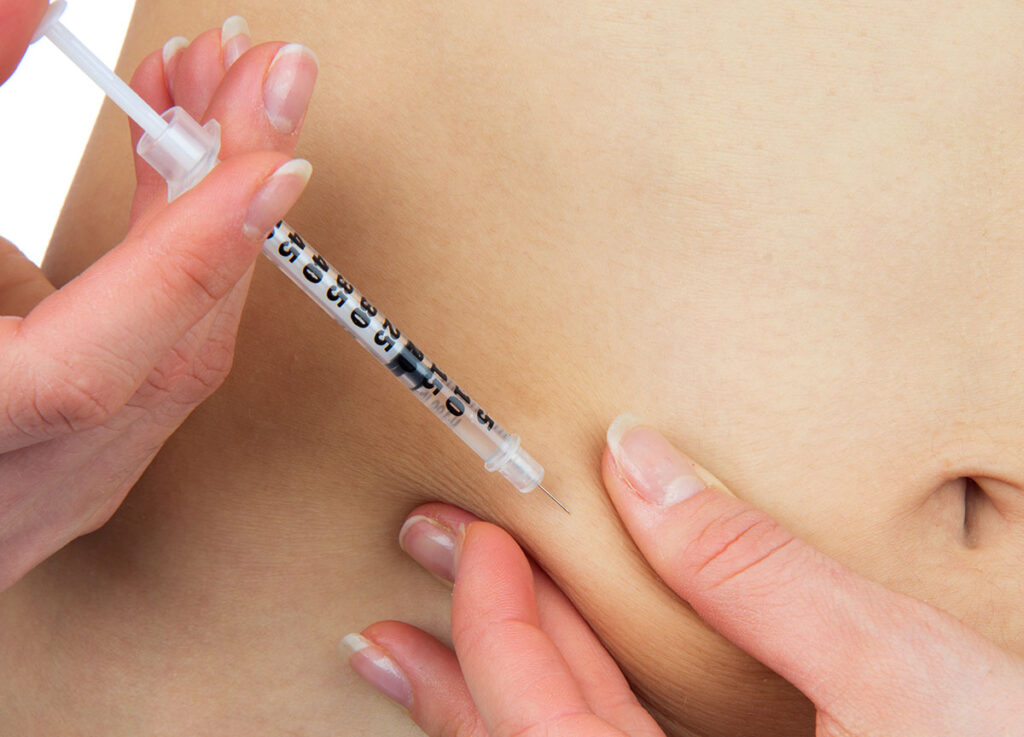
For Pre-Exposure Prophylaxis (PrEP), lenacapavir is administered as a subcutaneous injection, given just under the skin of the abdomen or thigh (Clinical Administration Guidelines). Following an initial loading dose which may involve oral tablets and injections, the maintenance phase requires only two injections per year, spaced six months apart. This schedule eliminates the need for daily pill adherence, which has historically been a major hurdle for effective prevention.
Regional Benefits and Access in Africa
The results of the PURPOSE 1 trial, which focused on cisgender women and adolescent girls in South Africa and Uganda, were groundbreaking. The study found that lenacapavir was 100% effective, with zero infections reported among the thousands of participants in the lenacapavir arm (The Lancet HIV Research). These findings demonstrate that a twice-yearly injection can overcome the prevention gap caused by the social stigma of carrying daily pill bottles or the difficulty of maintaining a strict daily schedule.
To ensure this medical innovation reaches those who need it most, a landmark agreement was announced in late 2025. Gilead Sciences has granted royalty-free licenses to generic manufacturers in India and elsewhere to produce low-cost versions of lenacapavir for 120 low- and middle-income countries, including most African nations (Gates Foundation Press Release). Organizations like the Bill & Melinda Gates Foundation are supporting these efforts to bring the price down to approximately $40 per person per year once generic production scales up, which is anticipated as early as 2027 (Global Access Initiative).
Despite these advantages, challenges remain. Early supply limitations have been reported, with demand exceeding initial allocations in some regions. Moreover, funding cuts in some donor programs have stressed HIV prevention and treatment services, making continuous investment critical. This however is not to undermine the significant milestone in the fight against HIV/AIDS in Africa.
Here’s where people in Africa can access the new HIV prevention injection (lenacapavir) that has started rolling out in public health programs:
Countries with current access or approved availability
- Eswatini and Zambia have begun administering lenacapavir through public health clinics, including both government and partner-supported sites, as part of national HIV prevention services. This rollout started in late 2025.
- South Africa has approved lenacapavir for HIV prevention and is in the process of planning nationwide rollout through government clinics; implementation at scale is expected through 2026 into 2027.
- Zimbabwe, Mozambique, Kenya, Uganda, Botswana, Namibia, Malawi, Rwanda, Tanzania, and other countries in sub-Saharan Africa have regulatory approval for lenacapavir or are actively preparing for national introduction based on recent approvals by their medicines authorities.
Typical places where it is offered
- Public health facilities and HIV clinics: Most national rollout plans involve integration into existing sexual health and HIV prevention services at government clinics.
- Non-governmental organization (NGO) outreach sites: Especially in early introduction phases, NGOs working in HIV prevention also offer access alongside public programs.
- Priority populations: Early access tends to focus on people at higher risk of HIV exposure, such as young adults at elevated risk, serodiscordant couples, and others identified through prevention programming.
How to find exact sites in your region
The exact clinics where lenacapavir is administered vary by country and local health department plans. The best sources for precise locations are:
- National Ministry of Health websites in your country (for official listings of HIV prevention services).
- Local HIV prevention and primary care clinics (ask if they have lenacapavir available or can refer you within the public health network).
- National AIDS councils or public health hotlines (many governments provide toll-free numbers or online maps of clinics offering PrEP services).
It is important to go to a government approved and regulated center for these medications, so as not to be exposed to counterfeit or substandard PrEP.
FAQs:
Is there a vaccine I can get at my local clinic today?
No. There is no FDA or WHO-approved HIV vaccine available for the general public yet. Any “HIV shot” currently available at clinics is likely Long-Acting PrEP (Pre-Exposure Prophylaxis), such as Lenacapavir or Cabotegravir.
What is the difference between a vaccine and injectable PrEP?
- Vaccine: Trains your immune system to recognize and fight the virus naturally and permanently (or for a long duration).
- Injectable PrEP: These are antiretroviral medicines injected every 2 to 6 months. They stay in your system to block the virus, but they do not “teach” your immune system anything. If you stop the shots, the protection disappears.
Who should consider this preventive option?
Individuals at high risk of HIV exposure, including those with HIV-positive partners or other risk factors, may benefit. Decisions should be made in consultation with health professionals.
How often is the injection given?
Twice a year (every six months) by trained healthcare providers.
Can this replace condoms or other prevention methods?
It adds another layer of protection but does not replace condoms or safe practices. Comprehensive prevention includes condoms, testing, risk assessment, and behavioral strategies.
** This Article has been Reviewed by Dr. Chimaobi Felix, MBBS
⚕ Medical Disclaimer
This article is for educational and informational purposes only and does not constitute medical advice, diagnosis, or treatment. Always consult a qualified healthcare provider before making any health decisions. The Healthy African is not liable for any actions taken based on the information provided on this site.