In Nigeria, close to two out of every five children under five carry the effects of poor nutrition in their bones and brains, whether or not they ever look thin. Survey data linked to the 2018 Nigeria Demographic and Health Survey puts child stunting at around 38 percent, with wasting affecting roughly 7 percent of children aged six to 59 months. Aid agencies now project that close to 3 million Nigerian children under five will face life-threatening severe acute malnutrition in 2026, about a million of them in the conflict-affected Borno, Adamawa and Yobe states.
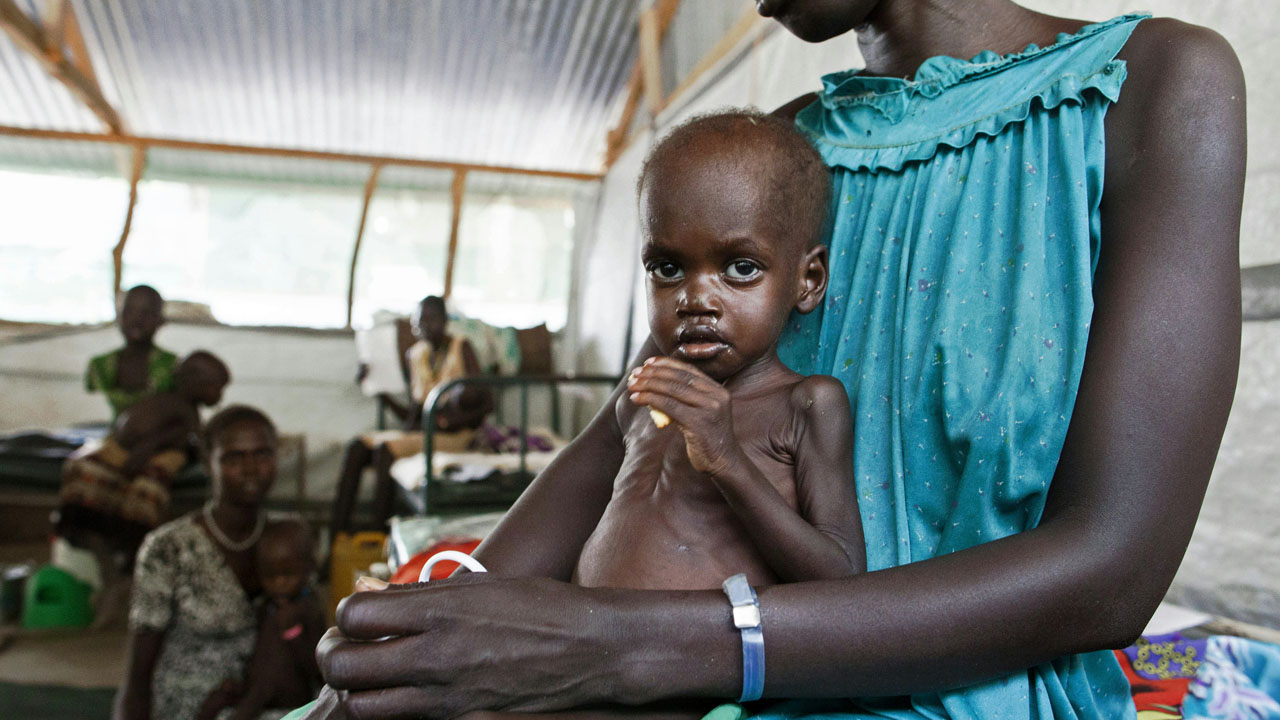
What makes malnutrition hard to catch is that it rarely looks the way people expect. A baby with swollen feet and thinning, reddish hair can look well-fed at first glance, yet that swelling is often the opposite of good health. This guide can help you spot the real warning signs early. It does not replace an examination by a doctor, so any child showing these signs should be seen at a clinic promptly.
What malnutrition actually means
Malnutrition covers more than looking underweight. Health workers group it into stunting (low height for age, from long-term poor nutrition), wasting (low weight for height, from a sharp recent drop in food or illness), and underweight (a mix of both), plus micronutrient deficiency, where a child eats enough calories but still lacks iron, vitamin A, zinc or other essentials. Stunting affects roughly 30 percent of children under five across the continent, and the WHO African region estimates malnutrition underlies roughly a third of under-five deaths in the region.
Warning signs every parent should watch for
Some signs build up slowly. Others need same-day attention. Watch for:
- Poor or stalled weight gain, best tracked with a growth card, not by eye.
- Visible thinning of the arms, thighs or buttocks, with skin that looks loose over the bones.
- Swelling of the feet, hands or face, especially if the skin dents and stays dented when pressed.
- Hair turning reddish, brittle or easily pluckable.
- Skin that is pale, dry, flaky or sore, particularly on the legs and around the mouth.
- Low energy, unusual quietness or irritability, a child who has stopped playing or reaching for things.
- Frequent infections, especially diarrhoea or skin infections that linger.
- Delayed milestones, such as being late to sit, crawl, walk or talk compared with siblings.
- Loss of appetite or refusal of food.
Any one sign warrants a clinic visit. Several together, or any swelling of the face and feet, needs same-day attention.
Marasmus and kwashiorkor: two different pictures
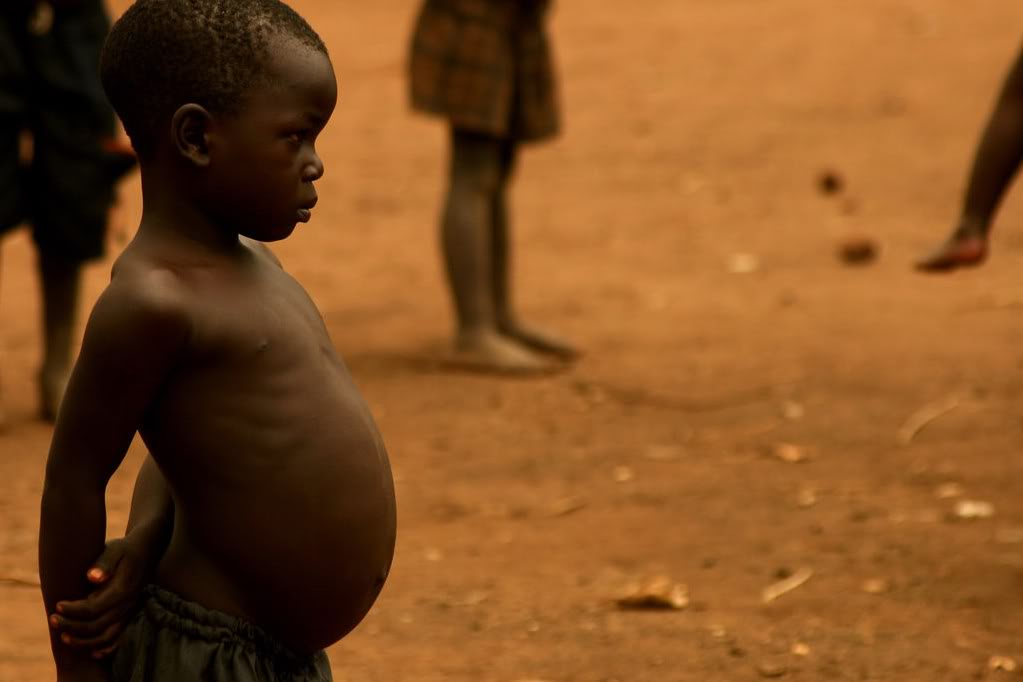
Severe acute malnutrition generally takes one of two forms. Marasmus develops from a prolonged shortage of calories and protein, producing the picture most people expect, a strikingly thin child with wasted muscle. Kwashiorkor comes from a diet particularly low in protein even when calories are closer to normal, producing the deceptive swelling described above, plus a swollen abdomen and reddish “flag sign” hair. Some children show features of both, called marasmic kwashiorkor. Because it can hide behind a child who looks rounded, relatives often miss kwashiorkor until the swelling is advanced, so any suspected case needs a trained health worker, not home guesswork.
Micronutrient deficiencies parents often miss
A child can avoid visible wasting and still be short on key nutrients:
- Vitamin A deficiency, causing poor night vision and dry patches on the white of the eye.
- Iron deficiency, showing as paleness of the inner eyelids, palms or nail beds, plus tiredness.
- Zinc deficiency, linked to slow-healing sores around the mouth, hands and feet.
- Iodine deficiency, which can cause neck swelling and, in pregnancy, affects the baby’s brain development.
Why malnutrition is still so common
Poverty and food prices limit how varied a household’s diet can be, and UNICEF estimates about one in three children under five in Africa live with severe child food poverty. In Nigeria, research found notably higher risk in the North East, North West and North Central zones, linked to home deliveries and low birth weight. Conflict and displacement compound this, a pattern the Africa Health Organisation has documented in northern Nigeria. Frequent infections such as diarrhoea also drive malnutrition, since a sick child absorbs fewer nutrients even when food is available. See our earlier guide on infant and young child feeding for protective practices.
The MUAC tape: a simple tool that saves lives
One of the most useful screening tools needs no scale or laboratory. The mid-upper arm circumference (MUAC) tape wraps around a child’s upper arm and gives a colour reading. Under WHO guidance, below 11.5 centimetres (red) signals severe acute malnutrition, 11.5 to 12.5 centimetres (yellow) signals moderate malnutrition, and 12.5 centimetres or above (green) is normal for children aged six to 59 months. Health workers use these tapes during outreach across Nigeria, and some programmes now train mothers to use them at home.
What to do if you notice these signs
Take your child to the nearest primary health centre rather than a pharmacy or home remedy. Uncomplicated severe acute malnutrition is increasingly managed through community programmes using ready-to-use therapeutic food (RUTF), a peanut-based paste that is energy-dense and fortified with the vitamins and minerals a recovering child needs, and Nigerian researchers have also developed locally sourced versions using groundnut and soybean. Children with persistent vomiting, severe swelling, lethargy or high fever need hospital care immediately rather than RUTF at home. Never treat suspected severe malnutrition with over-the-counter supplements or by suddenly increasing food volume, since refeeding too quickly can be dangerous without supervision.
Preventing malnutrition before it starts
Exclusive breastfeeding for the first six months, followed by a varied diet with fruit, vegetables, legumes, eggs, fish or meat where affordable, builds a strong foundation. Regular growth monitoring catches faltering weight gain before it becomes visible wasting. Routine immunisations cut the infections that drain a child’s reserves, and treating diarrhoea with oral rehydration solution and continued feeding, rather than food restriction, protects nutrition during illness.
Frequently Asked Questions
Can a child who looks chubby still be malnourished? Yes. Swelling from kwashiorkor can make a malnourished child look rounded, especially in the face, hands and feet. This is fluid retention, not healthy fat, and needs prompt medical assessment.
What is the fastest way to check for malnutrition at home? A MUAC tape gives a colour-coded reading within a minute and needs no scale or lab. Tracking weight against a growth card at clinic visits works well too.
Is malnutrition reversible in young children? Moderate and severe acute malnutrition can often be reversed with prompt treatment, especially ready-to-use therapeutic food. Stunting before age two tends to leave lasting effects on height and cognitive development.
Which children in Nigeria are most at risk? Children in the North East, North West and North Central zones face the highest documented risk, along with those born at home, with low birth weight, or with recent illness.
When should I go to hospital rather than a clinic? Go straight to hospital for facial or foot swelling, persistent vomiting, lethargy, seizures, or a high fever alongside signs of poor nutrition, since these point to complications needing inpatient care.
Malnutrition in children is preventable and, in most cases, treatable, but only when caught early. If something about your child’s growth or appetite feels different, trust that instinct and get them checked rather than waiting for it to resolve.
Suggested image alt text: A community health worker measures a young African child’s mid-upper arm circumference using a coloured MUAC screening tape at a primary health centre.
Internal linking suggestion: Link the phrase “infant and young child feeding” in the risk factors section to an earlier guide on breastfeeding and complementary feeding practices in Africa, once that URL is available.
Author bio card
Dr. Chimaobi Felix, MBBS Dr. Chimaobi Felix is the founder of The Healthy African and a medical doctor writing evidence-based health guidance for readers across Nigeria and sub-Saharan Africa. His work draws on World Health Organization and UNICEF clinical guidance alongside peer-reviewed research, adapted for the realities of African healthcare access. This article is for general education and does not replace an individual assessment by a qualified health professional.
** This Article has been Reviewed by Dr. Chimaobi Felix, MBBS
⚕ Medical Disclaimer
This article is for educational and informational purposes only and does not constitute medical advice, diagnosis, or treatment. Always consult a qualified healthcare provider before making any health decisions. The Healthy African is not liable for any actions taken based on the information provided on this site.