
Our modern day to day life offers incredible conveniences, but many of the habits we have picked up along the way are quietly working against our own body. From the way we eat to how we interact with our screens, certain lifestyle choices create an exponential burden on the heart, brain, and metabolic systems.

Research has and continues to show that chronic diseases are rarely the result of a single event; instead, they stem from years of small, repeated actions which we will talk about soon. By identifying these behaviors now, you can work towards a lifestyle that supports good health and long term longevity.
Here is a look at twelve habits that may be damaging your health and why it is time to leave them behind this new year.
1. Relying on Ultra-Processed Foods
Most of us are guilty of this, While quick and easy, ultra-processed foods (UPFs) like soda, sugary cereals, chips, instant noodles, processed meats (hot dogs, deli meats), frozen meals, candies, and mass-produced packaged baked goods are engineered for shelf life and taste rather than nutrition. Recent data from the World Cancer Research Fund in late 2025 emphasizes that high consumption of these products is linked to multimorbidity, which is the presence of two or more chronic conditions like type 2 diabetes and heart disease. These foods often contain additives that may alter the gut microbiome and trigger systemic inflammation. Replacing these with whole, minimally processed options is one of the most effective ways to lower your long term health risk.
2. The Danger of being an “Active Couch Potato”
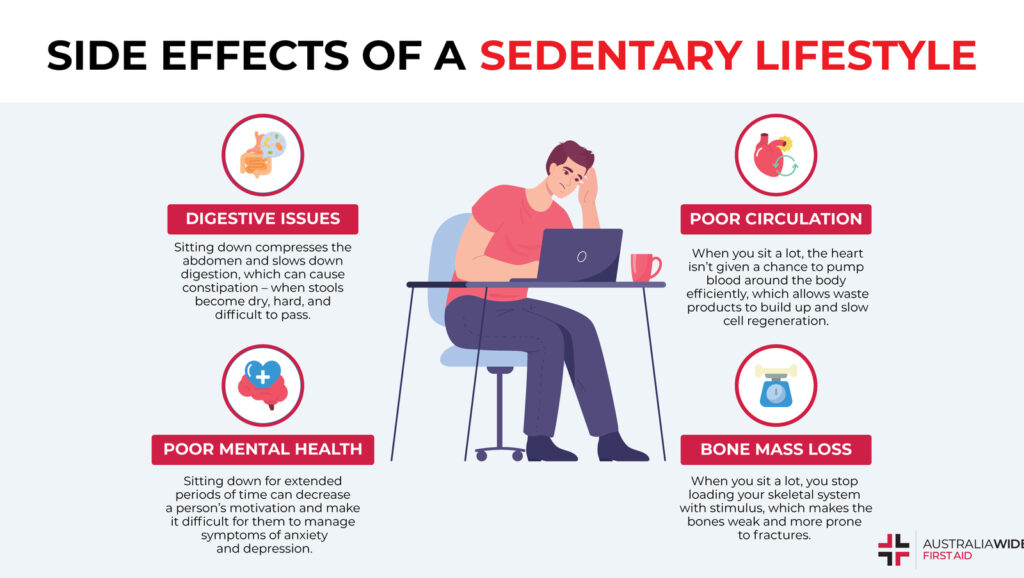
You might hit the gym for an hour, but if you spend the remaining eight hours of your workday sitting or just lounging on your couch watching a movie or playing video games, you are still at risk. Prolonged sitting leads to “stasis,” where blood and fluid pool in the lower legs. This increases the risk of deep vein thrombosis (DVT), a condition where a blood clot forms in a deep vein. Medical experts note that sitting for long stretches independently contributes to heart disease by altering how the body regulates sugar and blood pressure. Moving for just five minutes every hour can help pump blood out of the calf muscles and keep your metabolism engaged.
3. Ignoring the “Blue Light”
Most of our current lifestyle keep us well awake into the night looking at our screens, could be for work, scrolling through social media, or just Netflix and chilling, We forget that our bodies rely on a 24-hour internal clock known as the circadian rhythm. Exposure to blue light from phones, tablets and TVs late at night tricks the brain into thinking it is still daytime. This suppresses melatonin, the hormone responsible for sleep. Beyond just feeling tired, chronic circadian disruption is linked to metabolic disorders and depression. Scientific reviews verified in mid-2025 suggest that even low levels of artificial light at night can interfere with restorative sleep phases, making it harder for the brain to clear out metabolic waste, This is why you might wake up in the morning feeling tired and having a banging headache.
4. Normalizing Chronic Stress
Everyone is Hustling right, I mean to either make morning or escape the Rat race, and because of this we see stress as a badge of productivity, but your body treats it as a constant physical threat. When you stay stressed, your body pumps out cortisol and catecholamines. Over time, these hormones lead to insulin resistance, abdominal obesity, and hypertension. This state of constant “fight or flight” can also cause “leaky gut,” where the intestinal lining becomes more permeable, allowing toxins to enter the bloodstream and trigger inflammation. So best advice, find ways to destress – Like , go for walks, Yoga , Spend time with family, go on vacations, So your body would not always be on action mode.
5. Social Media Consumption Overdose
By 2026, the psychological impact of “scrolling” is better understood than ever. Constant notifications and the hunt for “likes” trigger dopamine releases similar to gambling. This can lead to a cycle of inadequacy and anxiety. Heavy social media use is strongly linked to “FOMO” (fear of missing out) and sleep disruption. Prioritizing face-to-face contact over digital interaction is vital for emotional regulation and long term mental well-being.
6. The Misconception of Vaping as “Safe”
While some originally viewed e-cigarettes as a better alternative to smoking, 2025 research clarifies that they are not harmless. If not anything, most of the effect are still being discovered, Vaping introduces nicotine, heavy metals, and volatile organic compounds (VOCs) into the lungs. Nicotine is particularly damaging to the developing brain and can irritate blood vessels, leading to increased heart rate and blood pressure. There is also a risk of E-cigarette or Vaping product use-associated Lung Injury (EVALI), which can cause serious respiratory distress. You can learn how to quit Vaping here.
7. Neglecting the Gut Microbiome
We often overlook out Gut, But what you eat and drink directly influences the trillions of bacteria living in your gut. High alcohol consumption and diets low in fiber can cause dysbiosis, an imbalance where harmful bacteria outweigh the beneficial ones. This imbalance is now linked to everything from Alzheimer’s disease to inflammatory bowel disease (IBD) Even Colon Ca. Protecting your “inner garden” by eating fermented foods and plenty of fiber is a key strategy for overall immunity.
8. Sacrificing Sleep for Productivity
Sleep is not just downtime; it is a period of active neurological repair. Chronic sleep deprivation (getting less than seven hours) is associated with an increased risk of neurodegenerative diseases like Alzheimer’s. During deep sleep, the brain’s glymphatic system flushes out toxins. When you skip sleep, these toxins can build up, potentially accelerating cognitive decline.
9. Overlooking Strength Training
Many people focus solely on cardio, but neglecting muscle mass is a mistake for long term health. As we age, we naturally lose muscle, a process called sarcopenia. Strength training helps maintain metabolic rate and supports bone density. Maintaining muscle mass is increasingly recognized as a biomarker for longevity, helping to prevent falls and metabolic dysfunction in later years.
10. Dehydration and the “Thirst Gap”
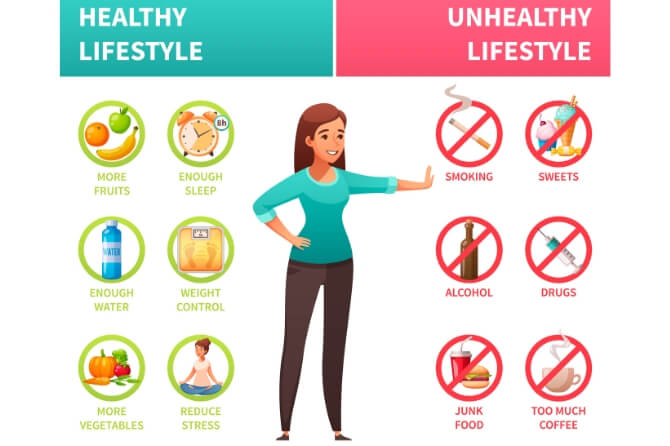
Many adults live in a state of mild, chronic dehydration. Water is essential for every cellular function, including kidney filtration and temperature regulation. When you are dehydrated, your energy levels drop, and your brain has to work harder to perform simple tasks. Relying on caffeinated or sugary drinks instead of water can further stress the kidneys and lead to blood sugar fluctuations.
11. Avoiding Regular Health Screenings
With the non-invasive screening technologies available in 2026, catching issues early is easier than ever. Habits like skipping blood pressure checks or cancer screenings (such as mammograms or colonoscopies) can turn treatable conditions into life-threatening ones. Early detection remains the most effective tool in the medical arsenal for improving your prognosis.
12. Dismissing “Small” Habits
Finally, the habit of thinking small changes don’t matter is perhaps the most damaging of all. Health is a long game. Choosing a walk over a ride, a glass of water over a soda, or ten minutes of meditation over ten minutes of news can feel insignificant in the moment, but these choices compound over decades.
The landscape of health in 2026 is one of prevention. While medicine can treat many ailments, it cannot fully replace the benefits of a balanced lifestyle. By stepping away from ultra-processed foods, moving more frequently, and protecting your sleep and mental space, you create a physiological environment where your body can thrive rather than just survive.
Cheers is to a better health in 2026 and beyond.
** This Article has been Reviewed by Dr. Chimaobi Felix, MBBS
⚕ Medical Disclaimer
This article is for educational and informational purposes only and does not constitute medical advice, diagnosis, or treatment. Always consult a qualified healthcare provider before making any health decisions. The Healthy African is not liable for any actions taken based on the information provided on this site.