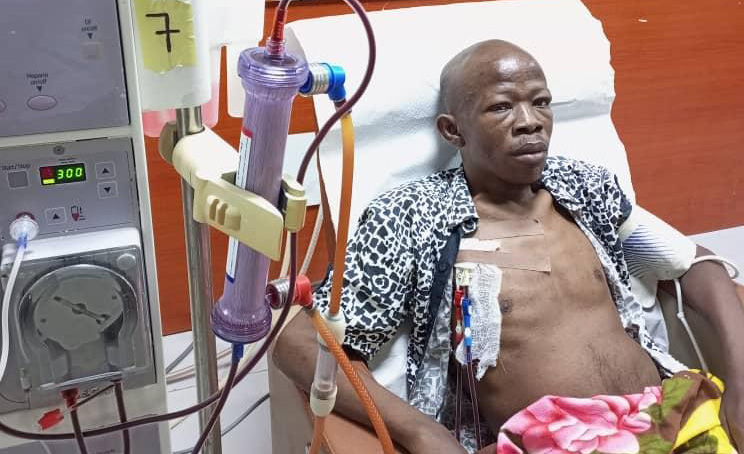
We have all heard about someone who had a kidney failure, and despite the outcome, it is usually a very sad experience. You see the human kidneys are remarkable biological filtration systems that maintain the internal equilibrium of the body. Each kidney contains approximately one million functional units called nephrons, which work tirelessly to filter blood, balance electrolytes, and regulate blood pressure. When these organs lose their ability to perform these essential tasks, the resulting condition is known as kidney failure or end-stage renal disease (ESRD).
The Role of the Kidneys
To understand failure, its important to know the normal operation of the renal system. The primary function of the kidneys is the filtration of metabolic waste products, such as urea and creatinine, from the bloodstream. Beyond waste removal, kidneys act as endocrine organs. They produce erythropoietin, a hormone that stimulates red blood cell production, and renin, which manages systemic blood pressure. They also convert vitamin D into its active form, calcitriol, which is necessary for bone health and calcium absorption. According to the National Institute of Diabetes and Digestive and Kidney Diseases , these organs process about 150 quarts of blood daily converts to approximately 142 liters, and one to two quarts of urine converts to approximately 0.95 to 1.89 liters.
Now we know what the Kidneys do, let see why they could fail, and what causes this.
Pathophysiology of Renal Failure
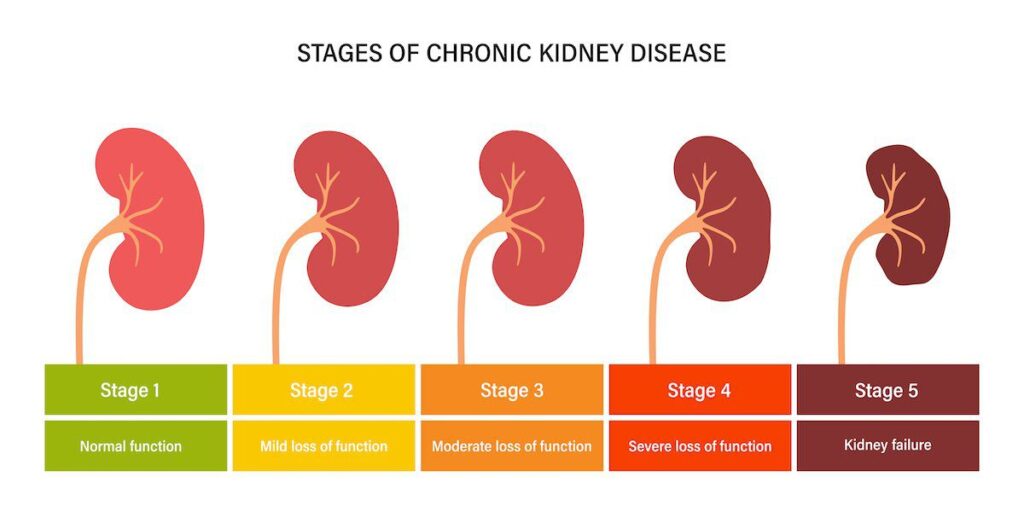
Kidney failure occurs when nephrons become damaged and lose their filtration capacity. This process often begins with hyperfiltration, where the remaining healthy nephrons overwork to compensate for damaged ones. This increased pressure leads to scarring, a process known as glomerulosclerosis. As the glomerular filtration rate (GFR) drops, the body can no longer maintain fluid and electrolyte balance.
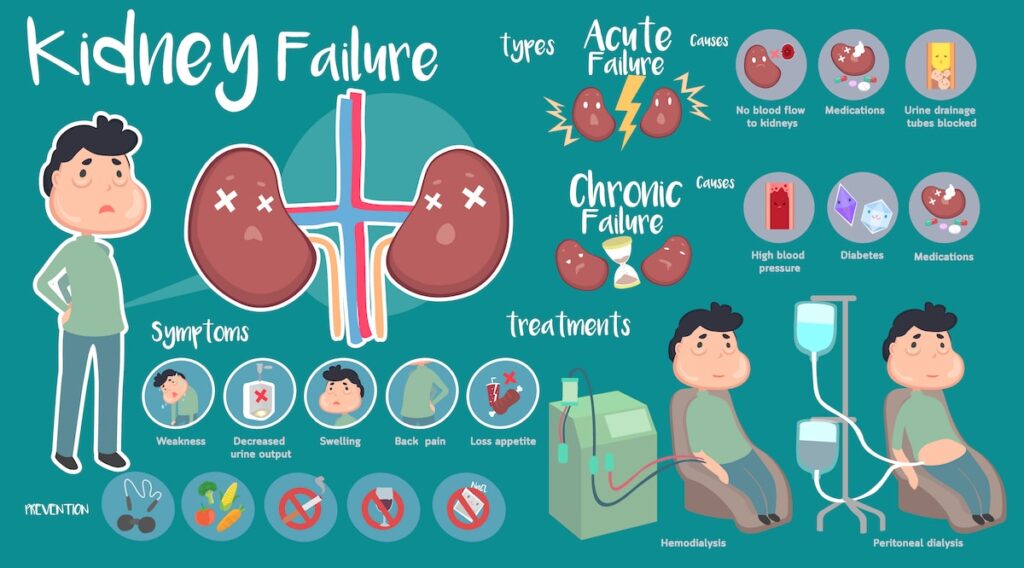
The damage typically follows two tracks: acute kidney injury (AKI) and chronic kidney disease (CKD). AKI is a sudden episode of kidney failure or kidney damage that happens within a few hours or a few days. It often results from severe infections, trauma, or certain medications. CKD is a gradual loss of function over months or years. In CKD, the persistent inflammation and fibrosis replace functional renal tissue with non-functional scar tissue, eventually leading to a total cessation of organ activity.
While we understand how the internal component of the Kidneys fail now, we can now learn how different factors, like prior health conditions, habits and lifestyle could affect our Kidneys.
Primary Causes of Renal Dysfunction
Multiple medical conditions can trigger the decline of renal health. Identifying these causes early is vital for slowing the progression of the disease.
- Diabetes Mellitus: This remains the leading cause of kidney failure globally. High blood sugar levels damage the tiny blood vessels in the kidneys over time, a condition called diabetic nephropathy.
- Hypertension: Chronic high blood pressure exerts excessive force on the renal arteries. This pressure weakens and hardens the vessels, reducing blood flow to the kidney tissue.
- Glomerulonephritis: This involves inflammation of the kidney’s filtering units. It can be caused by immune system disorders or infections.
- Polycystic Kidney Disease (PKD): A genetic disorder where numerous cysts grow in the kidneys, eventually replacing healthy tissue.
- Obstructions: Prolonged blockages from kidney stones, enlarged prostates, or certain cancers can cause urine to back up into the kidneys, creating damaging pressure.
Lifestyle Habits That Damage the Kidneys
While genetics and systemic diseases play a role, daily habits often accelerate renal decline. Modifying these behaviors is a primary strategy for preventing the progression of chronic kidney disease or even preventing them altogether. Below are the key lifestyle factors that contribute to renal damage:
High Alcohol Consumption: Regular heavy drinking can double the risk of chronic kidney disease. Alcohol acts as a diuretic that can cause dehydration and interferes with the kidneys’ ability to maintain the correct balance of electrolytes in the bloodstream.
Chronic Dehydration: Failing to consume enough fluids forces the kidneys to work harder to concentrate urine and expel metabolic waste. This persistent strain can increase the risk of developing kidney stones and urinary tract infections, both of which can lead to permanent structural damage over time.
Excessive Sodium Intake: Overconsumption of sodium is a major driver of renal decline because it disrupts the delicate balance of minerals in the blood. This causes the body to retain water, increasing systemic blood pressure and accelerating the hardening of the renal arteries .
Overuse of Pain Medications: The frequent use of over-the-counter non-steroidal anti-inflammatory drugs (NSAIDs), such as ibuprofen and naproxen, can reduce blood flow to the kidneys. In high doses or prolonged use, these medications can cause interstitial nephritis or acute tubular necrosis .
Unregulated Herbal Concoctions: Many traditional or “natural” herbal mixtures contain unidentified active ingredients or heavy metals like lead and mercury that are directly nephrotoxic. These concoctions can cause acute tubular necrosis or chronic interstitial fibrosis because the kidneys must process these complex chemical compounds, many of which have not been clinically tested for safety.
Consumption of Fake or Counterfeit Drugs: Counterfeit medications often contain incorrect dosages of active ingredients or dangerous contaminants such as industrial solvents and brick dust. These “fake drugs” can cause sudden, catastrophic kidney failure as the organ attempts to filter out toxic fillers that were never intended for human consumption.
High Protein Consumption: While protein is essential for muscle repair, consuming it in extreme excess can be problematic for those with undiagnosed or early-stage kidney issues. The breakdown of protein creates nitrogenous waste that the kidneys must filter; a consistently high load can lead to glomerular hyperfiltration and increased renal pressure.
Tobacco Use: Smoking does more than damage the lungs; it significantly impairs blood flow to vital organs, including the kidneys. This reduced perfusion makes the organs less efficient and can interfere with the effectiveness of medications used to control high blood pressure. Help to quit Smoking is available Here.
Excessive Sugar Intake: Consuming high amounts of processed sugars contributes to obesity and type 2 diabetes. Since diabetes is the leading cause of kidney failure, poorly managed blood glucose levels eventually lead to the destruction of the kidney’s delicate filtration units, known as nephrons.
Sedentary Lifestyle: A lack of physical activity is closely linked to hypertension and poor cardiovascular health. Because the kidneys are highly vascularized organs, any habit that negatively affects the heart and blood vessels will eventually manifest as decreased renal function.
Recognizing the Signs of Kidney Problems
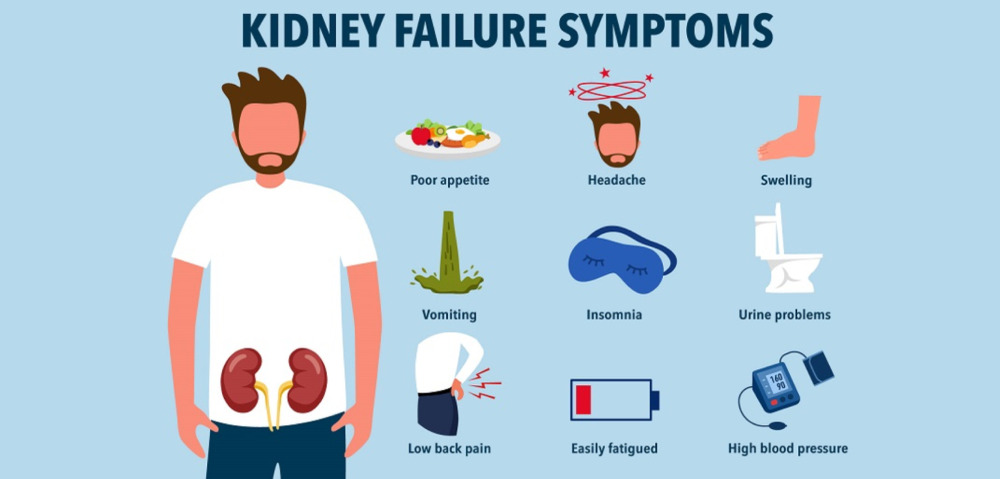
One of the most dangerous aspects of kidney disease is that it is often “silent” in its early stages. Notable symptoms usually only appear when the kidneys are struggling to keep up with the body’s needs.
- Changes in Urination: This includes urinating more or less frequently than usual, or noticing foamy or bloody urine.
- Edema: Swelling in the legs, ankles, feet, or face occurs because the kidneys cannot remove excess fluid.
- Fatigue and Weakness: A buildup of toxins and a decrease in red blood cells (anemia) lead to persistent exhaustion.
- Shortness of Breath: This is caused by extra fluid building up in the lungs or anemia.
- Persistent Itching: When the kidneys fail to maintain the correct balance of minerals and nutrients, it can cause “uremic frost” or severe skin itching.
- Metallic Taste: A buildup of waste in the blood (uremia) can make food taste like metal and cause bad breath.
Immediate Actions Upon Noticing Symptoms
If you observe the signs mentioned above, immediate medical consultation is necessary. A primary care physician or a nephrologist (a kidney specialist) will typically order two main tests: a urine test to check for albumin (a protein that should stay in the blood) and a blood test to measure creatinine levels to calculate the GFR.
Early intervention can often stop or slow the damage. This might involve strict blood pressure management, adjusting your diet to reduce salt and protein, or changing medications that may be toxic to the kidneys. Do not attempt to use “kidney cleanses” or herbal supplements without medical supervision, as these can often worsen renal strain.
** This Article has been Reviewed by Dr. Chimaobi Felix, MBBS
⚕ Medical Disclaimer
This article is for educational and informational purposes only and does not constitute medical advice, diagnosis, or treatment. Always consult a qualified healthcare provider before making any health decisions. The Healthy African is not liable for any actions taken based on the information provided on this site.