

We all have heard about fasting and what it is, but today we will take a deeper dive into what fasting is. You see fasting is no longer viewed merely as a spiritual or cultural tradition. In contemporary medicine, it is recognized as a potent metabolic intervention that triggers profound physiological shifts. By carefully alternating between periods of eating and abstaining from calories, individuals can prompt their bodies to move beyond simple digestion into a state of cellular repair and metabolic optimization. In this article i will explore the systemic effects of fasting, its therapeutic benefits, and the safety protocols necessary for successful implementation.

The Physiology of the Fasted State
When the body enters a fasted state (i.e. 8–12+ hours after the last meal), it undergoes a metabolic transition known as the glucose to ketone switch. Under normal feeding conditions, the body relies on glucose as its primary fuel source. However, as glycogen stores in the liver deplete typically within 12 to 24 hours of fasting, the body begins to mobilize fatty acids from adipose tissue. These fatty acids are converted by the liver into ketone bodies, which serve as an efficient alternative energy source for the brain and peripheral tissues.
One of the most notable cellular responses during this period is autophagy. Derived from the Greek words for “self-eating,” autophagy is a lysosomal degradation pathway that allows cells to break down and recycle damaged proteins and dysfunctional organelles. This “cellular housekeeping” is essential for maintaining proteostasis and has been linked to a reduced risk of neurodegenerative diseases.
Systematic Health Benefits of Fasting
We now understand what happens inside the body when we fast, now lets look at the benefits extensively.
The clinical benefits of fasting extend across multiple organ systems. Research suggests that intermittent fasting (IF) can be as effective as continuous calorie restriction for weight management, but with unique advantages regarding metabolic flexibility and hormonal balance.
1. Metabolic Health and Insulin Sensitivity
Fasting leads to a substantial reduction in circulating insulin levels. This drop allows the body to access stored fat more readily and improves the sensitivity of insulin receptors. For patients with type 2 diabetes or metabolic syndrome, this can lead to better glycemic control and a reduction in hemoglobin A1c (HbA1c) levels .
2. Cardiovascular Protection
Periodic abstinence from food has been shown to improve lipid profiles by lowering low-density lipoprotein (LDL) cholesterol and triglycerides. Furthermore, fasting may reduce systemic inflammation by lowering pro-inflammatory markers such as C-reactive protein (CRP) and interleukin-6 (IL-6). These changes collectively decrease the risk of atherosclerosis and hypertension.
3. Neuroprotection and Cognitive Function
Fasting stimulates the production of brain-derived neurotrophic factor (BDNF), a protein that supports the survival of existing neurons and encourages the growth of new ones. This neurotrophic effect, combined with reduced neuroinflammation, may enhance cognitive resilience and protect against Alzheimer’s and Parkinson’s diseases .
4. Cellular Autophagy and Longevity
Fasting acts as a primary trigger for autophagy, a lysosomal degradation pathway that serves as the body’s internal recycling program. During this process, cells identify and destroy broken proteins and malfunctioning mitochondria. This cellular “cleanup” is essential for preventing the accumulation of waste products that lead to age-related diseases and some forms of cancers. By maintaining high-quality cellular components, fasting may slow the biological aging process and improve the healthspan of vital organs .
5. Immune System Regeneration
Prolonged fasting periods can prompt a “reset” of the immune system. Research indicates that fasting for 48 to 72 hours can reduce PKA (Protein Kinase A) levels, which triggers stem-cell-based regeneration of new immune cells. This process effectively clears out old, damaged white blood cells and replaces them with more resilient ones, potentially enhancing the body’s resistance to infection and improving recovery after chemotherapy .
6. Hormonal Regulation and Growth Hormone Secretion
Fasting significantly impacts the endocrine system by boosting the production of Human Growth Hormone (HGH). During a fast, HGH levels can rise substantially to protect lean muscle mass and facilitate fat burning. Additionally, fasting helps regulate leptin and ghrelin, the hormones responsible for hunger and satiety; this recalibration often leads to reduced cravings and better appetite control over time .
It is important to know that fasting has some immense benefit to your health, this serves as motivation to emback on multiple episodes of fasting over days and weeks. However, the best approach to fasting is systematic and not haphazardly.
Proper Methods of Implementation
Even though there is no “one size fits all” approach to fasting. The choice of protocol depends on individual health goals, lifestyle, and medical history, Howbeit a systematic approach always encourage the best outcome.
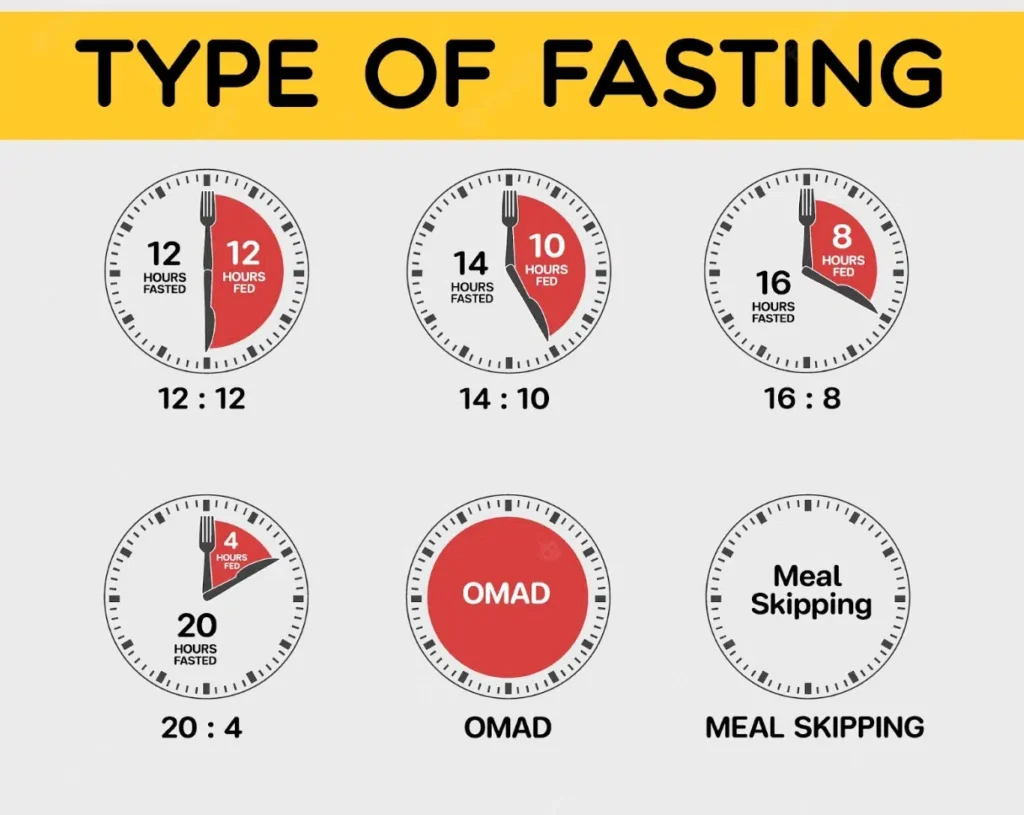
- Time-Restricted Eating (TRE): This involves limiting food intake to a specific window each day, such as the 16/8 method (fasting for 16 hours and eating during an 8-hour window). It is often considered the most sustainable starting point for beginners.
- Alternate-Day Fasting (ADF): Individuals alternate between days of normal eating and days of complete fasting or very low calorie intake (approximately 500 calories).
- The 5:2 Method: This protocol involves eating normally for five days of the week and restricting calories to 500-600 on two non-consecutive days.
- Fasting-Mimicking Diet (FMD): A plant-based, low-protein, high-fat diet designed to provide enough nutrients to remain safe while keeping the body in a fasted state at a cellular level. Studies have indicated that three cycles of FMD can reduce biological age by up to 2.5 years
Whatever approach you choose to follow, consistency helps to give the best results.
Dangers and Contraindications
While fasting offers substantial benefits, it is not without risks. Inappropriate fasting can lead to electrolyte imbalances, dehydration, and nutrient deficiencies. A notable concern for long-term or extreme fasting is the loss of lean muscle mass. If protein intake is insufficient during eating windows, the body may break down muscle tissue for energy, which is particularly detrimental for the elderly or those with sarcopenia.
When You Should Not Fast
Medical supervision is mandatory for several populations where fasting could be life-threatening or cause permanent damage:
- Pregnancy and Breastfeeding: The high nutrient and caloric demands for fetal development and milk production make fasting unsafe.
- Type 1 Diabetes and Advanced Type 2: While fasting can help insulin sensitivity, it carries a high risk of severe hypoglycemia for those on insulin or certain oral medications .
- History of Eating Disorders: Fasting can trigger or exacerbate conditions like anorexia or bulimia.
- Low Body Mass Index (BMI): Individuals who are underweight lack the necessary energy reserves to fast safely.
- Adolescence: Growing children and teenagers require consistent caloric intake for proper physical and neurological development .
** This Article has been Reviewed by Dr. Chimaobi Felix, MBBS
⚕ Medical Disclaimer
This article is for educational and informational purposes only and does not constitute medical advice, diagnosis, or treatment. Always consult a qualified healthcare provider before making any health decisions. The Healthy African is not liable for any actions taken based on the information provided on this site.