
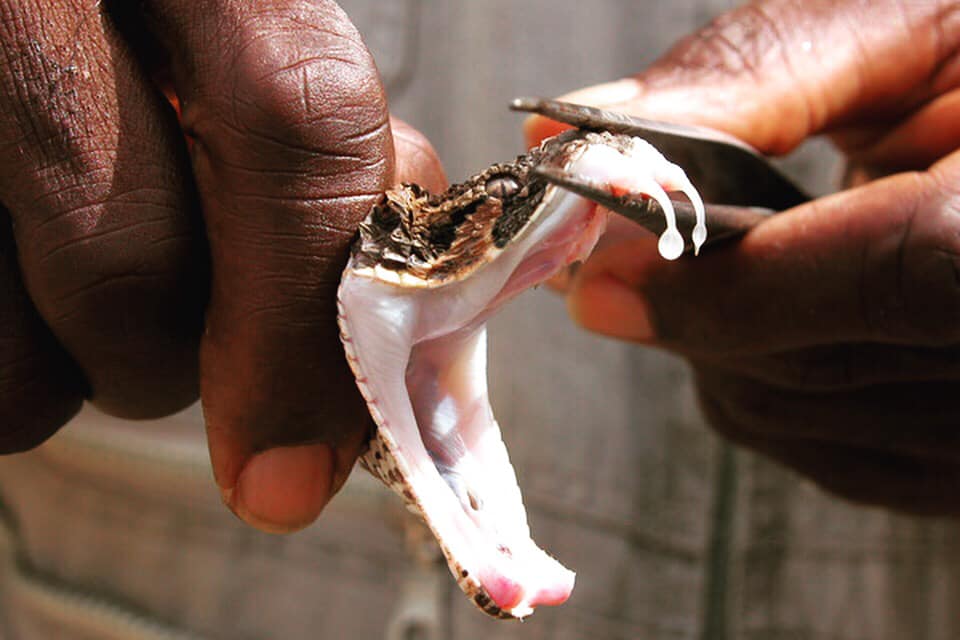
The recent death of 26-year-old Nigerian singer and architect Ifunanya Nwangene, a former contestant on The Voice Nigeria, has brought a sharp focus to the dangers of snakebite in urban and rural settings. According to reporting from Leadership News , Ifunanya was bitten by a snake while she slept in her apartment in Abuja on January 31, 2026. Despite seeking medical attention, she succumbed to complications, sparking national conversations about the availability of Antisnake Venom (ASV) and the urgency of correct first aid as noted by The Guardian . This tragic event serves as a reminder that snakebites are a public health crisis requiring immediate, informed action.
What Snake Venom does to the Human Body
When a venomous snake bites, it injects a complex mixture of enzymes and proteins into the victim. In Nigeria, the most common venomous snakes include the carpet viper (Echis ocellatus), the black-necked spitting cobra (Naja nigricollis), and the puff adder (Bitis arietans), as documented by the World Health Organization. The venom acts on the body through several primary mechanisms, viz.
Neurotoxicity
Certain venoms, particularly from cobras and mambas, target the nervous system by blocking communication between nerves and muscles. According to the NCDC Management Protocol (2024), this often starts with drooping eyelids (ptosis), followed by difficulty swallowing or speaking. If left untreated, the paralysis spreads to the diaphragm and intercostal muscles, leading to respiratory failure.
Haemotoxicity
Vipers are notorious for haemotoxic venom, which destroys red blood cells and disrupts the blood’s ability to clot. As explained in research published in PMC, this condition, known as Venom Induced Consumption Coagulopathy (VICC), leads to spontaneous bleeding from the gums, nose, and old wounds. Internal bleeding into the brain or abdominal organs is a frequent cause of death in these cases.
Cytotoxicity
This involves direct damage to the cells and tissues at the site of the bite. The World Health Organization states that this causes intense pain, massive swelling, and blistering. In severe instances, the tissue dies (necrosis), which can lead to permanent disability or the need for amputation.
Knowing what snake bite can cause , and how potentially deadly they are, it is important to know exactly what to do starting from moment a person got bitten, as certain activities and actions could worsen or aid health safety
Immediate First Aid: What to Do and What to Avoid
The minutes following a snakebite are critical. The NCDC guidelines emphasize that the primary goal of first aid is to slow the spread of venom and transport the victim to a facility that can provide definitive care.
What to do
- Move away from the snake to avoid a second strike.
- Keep the victim calm and still; increased heart rate and movement speed the venom’s travel through the lymphatic system as noted by the WHO (2024).
- Remove tight clothing, rings, or watches before swelling begins, as these can act as unintended tourniquets.
- Immobilize the bitten limb using a splint or sling, keeping it at or slightly below the level of the heart.
- Record the time of the bite and, if possible, take a photo of the snake from a safe distance to help doctors identify the species.
What not to do
- Do not use a traditional tourniquet; Habib et al. emphasize that tying off a limb can trap venom in one area, causing massive tissue death.
- Do not cut the wound or attempt to suck out the venom; this is ineffective and introduces bacteria into the wound according to the NCDC (2024).
- Do not apply ice or chemicals to the bite.
- Do not consume alcohol or caffeine, which can increase the heart rate.
- Do not use herbal remedies or visit traditional healers first; delaying professional medical care is the leading cause of snakebite mortality in Nigeria.
Clinical Management: The Hospital Response
Upon arrival at a medical facility, the healthcare team follows a standardized protocol to manage envenomation.
Stabilization and Assessment
Doctors first assess the airway, breathing, and circulation. According to the NCDC (2024), they look for “PONDS” (Pain, Oozing, Node enlargement, Discoloration, and Swelling). A vital diagnostic tool is the 20 Minute Whole Blood Clotting Test ; if the blood fails to clot in a glass tube after 20 minutes, it indicates systemic envenomation.
Antivenom Administration
ASV is the only specific treatment for snakebite. It consists of antibodies that neutralize the toxins. Polyvalent antivenoms are often used in Nigeria because they cover multiple species. Doctors monitor the patient closely for anaphylaxis, a severe allergic reaction to the antivenom, which is managed with adrenaline.
Preventing Snake Encounters at Home
Snakes generally enter human habitats in search of food, water, or shelter. Understanding these attractants is key to prevention according to habitat management guidelines from the WHO .
Remove Food Sources
Rodents are the primary attractants for snakes. Ensure that food waste is disposed of properly and that pet food is stored in airtight containers. Controlling a rat infestation is one of the most effective ways to keep snakes away.
Eliminate Hiding Spots
Snakes seek cool, dark, and damp places. Clear tall grass and thick bushes around the house and remove piles of firewood, lumber, or abandoned building blocks near the walls.
Seal Entry Points
Snakes can squeeze through gaps as small as a quarter of an inch. Fix cracks in the foundation and walls and use weather stripping on the bottom of doors to prevent entry.
Frequently Asked Questions
Is every snakebite poisonous?
No, many snakes are non-venomous. Furthermore, the WHO (2024) notes that even venomous snakes sometimes deliver “dry bites” where no venom is injected. However, every bite should be treated as a medical emergency until cleared by a professional.
Can I use “snake repellent” chemicals?
Most commercial “snake repellents” or traditional substances like naphthalene balls (camphor) or certain oils have little proven effect on snakes according to. Habitat management is much more reliable.
How long does it take for a snakebite to kill?
It varies based on the species, the amount of venom, and the victim’s health. While some cobra bites can cause respiratory arrest within 30 to 60 minutes, others may take hours or days to cause fatal complications according to the .
Should I kill the snake and bring it to the hospital?
No. Trying to kill the snake increases the risk of a second person being bitten. A photo is sufficient for identification.
The loss of talent like Ifunanya Nwangene demonstrates that snakebite education must be a priority for everyone. By maintaining clean environments and knowing the correct medical protocols, we can prevent these tragedies and ensure that a bite does not lead to a fatal outcome.
** This Article has been Reviewed by Dr. Chimaobi Felix, MBBS
⚕ Medical Disclaimer
This article is for educational and informational purposes only and does not constitute medical advice, diagnosis, or treatment. Always consult a qualified healthcare provider before making any health decisions. The Healthy African is not liable for any actions taken based on the information provided on this site.