We have all heard of a story were someone suddenly slumped and died, or maybe even know someone who it has happened to, its not just a story you see, it real and it happens quite often than you think. Just like the story of Kofi, a 42-year-old fitness enthusiast with no known health issues, suddenly slumped In a busy marketplace in Lagos. To the onlookers, it looked like a fainting spell. However, Kofi was not breathing, and unresponsive, he was pulseless in seconds, Or the video of a corporate lady who slumped in a meeting at work and died instantly. We also saw the video of the police person who collapse on her decoration day and died too. This scenarios play out across the continent with increasing frequency, often misattributed to stress or spiritual causes, but the clinical reality of most is often something called Sudden Cardiac Death (SCD). This condition is a natural, unexpected death due to cardiac causes that occurs within one hour of the onset of symptoms. Unlike a heart attack, which is a “plumbing problem” caused by a blockage, SCD is an “electrical problem” where the heart’s rhythm suddenly stops or becomes chaotic.
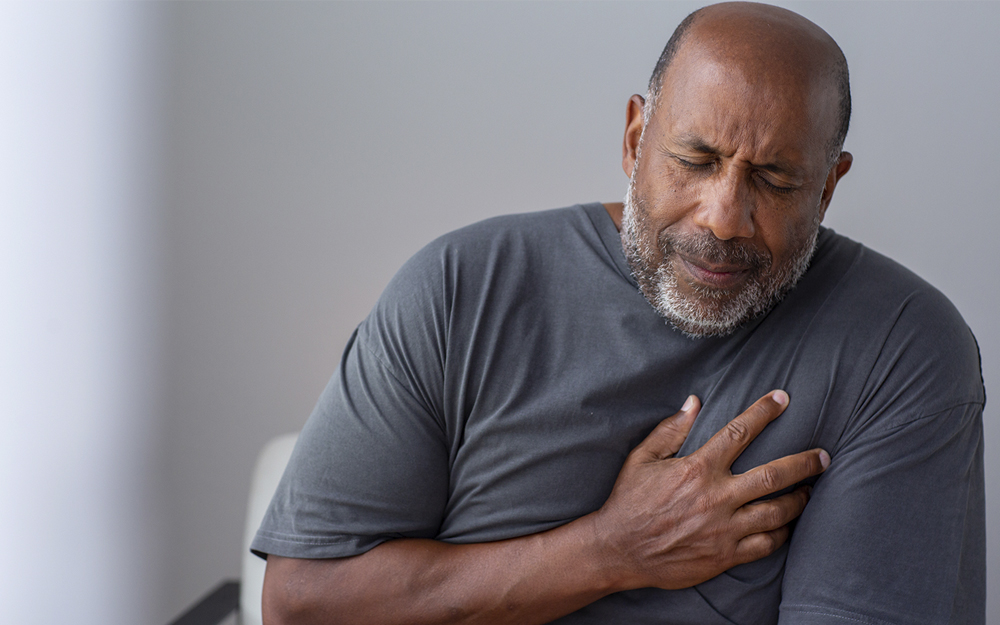
What really happens inside the heart, how does it lead to SCD
SCD occurs when the heart’s internal electrical system malfunctions, leading to an abnormal heart rhythm called an arrhythmia. The most common lethal arrhythmia is Ventricular Fibrillation (VF), where the lower chambers of the heart quiver uselessly instead of pumping blood. According to the American Heart Association (2024), when the heart stops pumping, the brain begins to suffer irreversible damage within minutes. In many African populations, the underlying cause is often undiagnosed hypertensive heart disease or cardiomyopathy, which is a structural disease of the heart muscle.
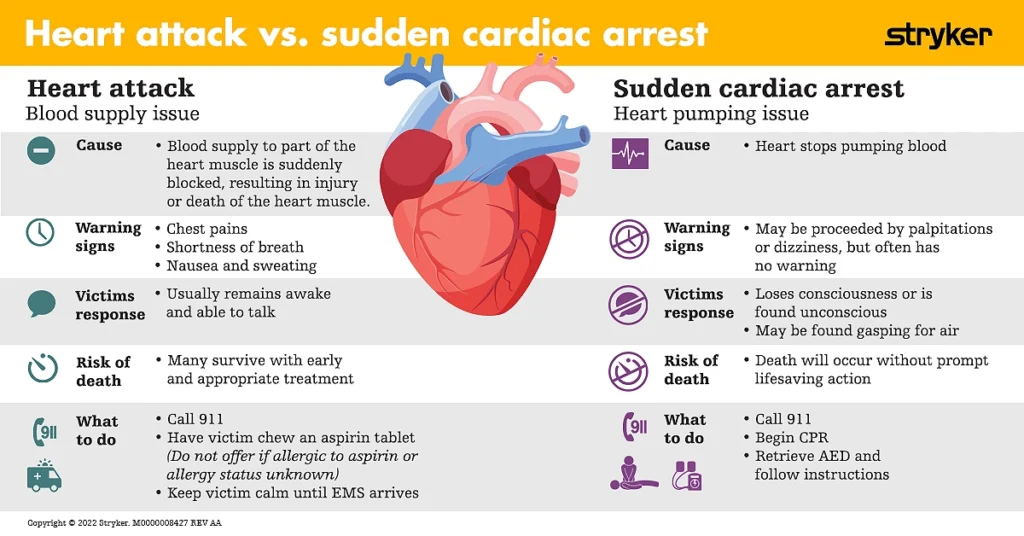
While the terms are often used interchangeably, it is vital to distinguish SCD from a myocardial infarction (heart attack). A heart attack occurs when blood flow to a part of the heart is blocked; however, a heart attack can trigger the electrical malfunction that leads to SCD. Research published in The Lancet (2023) indicates that Africa is facing a double burden of disease, where traditional infectious diseases coexist with a rising tide of cardiovascular conditions.
The Unpredictable Nature of Sudden Cardiac Death
Sudden Cardiac Death (SCD) is particularly jarring because it often occurs in individuals who appear healthy. The “sudden” in its name refers to the fact that the fatal event usually happens within an hour of the first symptom appearing; in many cases, death occurs within minutes. It can happen during sleep, at rest, or during intense physical activity because the trigger is often a lightning-fast shift in the heart’s electrical stability.
While a heart attack is usually the result of progressive arterial clogging, SCD is an acute failure of the heart’s “power grid.” This electrical chaos can be triggered by a minor change in electrolyte balance, a spike in adrenaline, or a brief period of low oxygen that would not normally be fatal but, in a vulnerable heart, sets off a lethal rhythm.
Preceding Signs and Symptoms
Although many people have no warning, research from the Cedars-Sinai Smidt Heart Institute (2024) indicates that about half of those who experience SCD have some warning signs in the 24 hours prior. Recognizing these early signals can be the difference between life and death.
- Unexplained Fainting (Syncope): This is the most critical warning sign. If a person faints during physical activity or emotional excitement, it may indicate a dangerous heart rhythm that corrected itself but could return and stay.
- Chest Pain or Pressure: Often described as an “elephant sitting on the chest,” this may signal that the heart muscle is not getting enough oxygen, which can trigger an electrical short circuit.
- Shortness of Breath: Difficulty breathing while resting or performing light tasks can indicate that the heart is struggling to pump effectively.
- Palpitations: A feeling that the heart is skipping beats, fluttering, or thumping hard in the chest can be a precursor to a more chaotic arrhythmia.
- Extreme Fatigue: Sudden, overwhelming exhaustion that is not linked to lack of sleep or physical exertion may be a sign of a failing cardiovascular system.
What are the risk factors for SCD
Identifying who is at risk remains a challenge for clinicians. However, certain markers are notable indicators for potential cardiac arrest.
- Hypertension: High blood pressure is the leading risk factor for SCD in African adults, often leading to Left Ventricular Hypertrophy (LVH), which is the thickening of the heart’s main pumping chamber.
- Cardiomyopathy: Conditions like Hypertrophic Cardiomyopathy (HCM) or Peripartum Cardiomyopathy (PPCM) are substantial contributors to sudden death in younger populations and new mothers.
- Coronary Artery Disease: While historically less common in sub-Saharan Africa, urban lifestyle changes have led to a surge in blocked arteries.
- Genetic Syndromes: Conditions such as Long QT Syndrome or Brugada Syndrome can cause the heart to stop without any warning signs or previous structural damage.
Immediate Action: What to Do When Someone Collapses
When a person collapses and has no pulse, the window for survival is incredibly narrow. Every minute that passes without intervention reduces the chance of survival by about 10%. If you witness a collapse, follow these life-saving steps:
- Check for Responsiveness: Tap the person and shout. If they do not respond and are not breathing (or only gasping), they are in cardiac arrest.
- Call for Help: Immediately alert local emergency services. In many African cities, this may mean designating a specific person to find a vehicle for transport while you begin aid.
- Start CPR: Perform “Hands-Only” Cardiopulmonary Resuscitation (CPR). Place the heel of one hand in the center of the chest, place the other hand on top, and push hard and fast. You should aim for 100 to 120 beats per minute, which matches the tempo of the song “Stayin’ Alive.”
- Use an AED: If an Automated External Defibrillator (AED) is available in a public space, turn it on and follow the voice prompts. These devices are designed to be used by laypeople and will only deliver a shock if the heart requires it.

Frequently Asked Questions
Is sudden cardiac death the same as a stroke?
No, a stroke is a “brain attack” caused by interrupted blood flow to the brain. SCD is caused by the heart stopping its pumping action entirely due to an electrical malfunction.
Can children suffer from SCD?
Yes, though it is rare. In young people, it is often due to undiagnosed congenital heart defects or inflammatory conditions like myocarditis.
Does SCD always have symptoms beforehand?
Not always. While some people experience chest pain, shortness of breath, or fainting (syncope) in the weeks leading up to the event, many cases occur with no prior warning.
Can heavy exercise cause the heart to stop?
In individuals with underlying heart conditions, extreme physical exertion can trigger an arrhythmia. However, for the general population, regular exercise is one of the best ways to prevent heart disease.
** This Article has been Reviewed by Dr. Chimaobi Felix, MBBS
⚕ Medical Disclaimer
This article is for educational and informational purposes only and does not constitute medical advice, diagnosis, or treatment. Always consult a qualified healthcare provider before making any health decisions. The Healthy African is not liable for any actions taken based on the information provided on this site.