Across sub-Saharan Africa, more than 25 million people live with HIV, and most of them rely on antiretroviral therapy (ART) to stay alive, stay healthy and stop passing the virus to others. In Nigeria alone, over 1.7 million people were receiving ART as of April 2026, out of an estimated two million people living with the virus nationwide, according to figures from the National Data Repository reported by Legit.ng (verified July 2026).
If you or someone you love has just tested positive, the first question is usually the same one: where do I actually go to get this medicine? The good news is that ART remains free at government-approved health facilities in Nigeria and in most African countries, even as funding arrangements behind the scenes have shifted over the past year. This guide walks you through where to find ART, what has changed with donor funding, and what to expect once you start treatment.
What antiretroviral therapy actually does
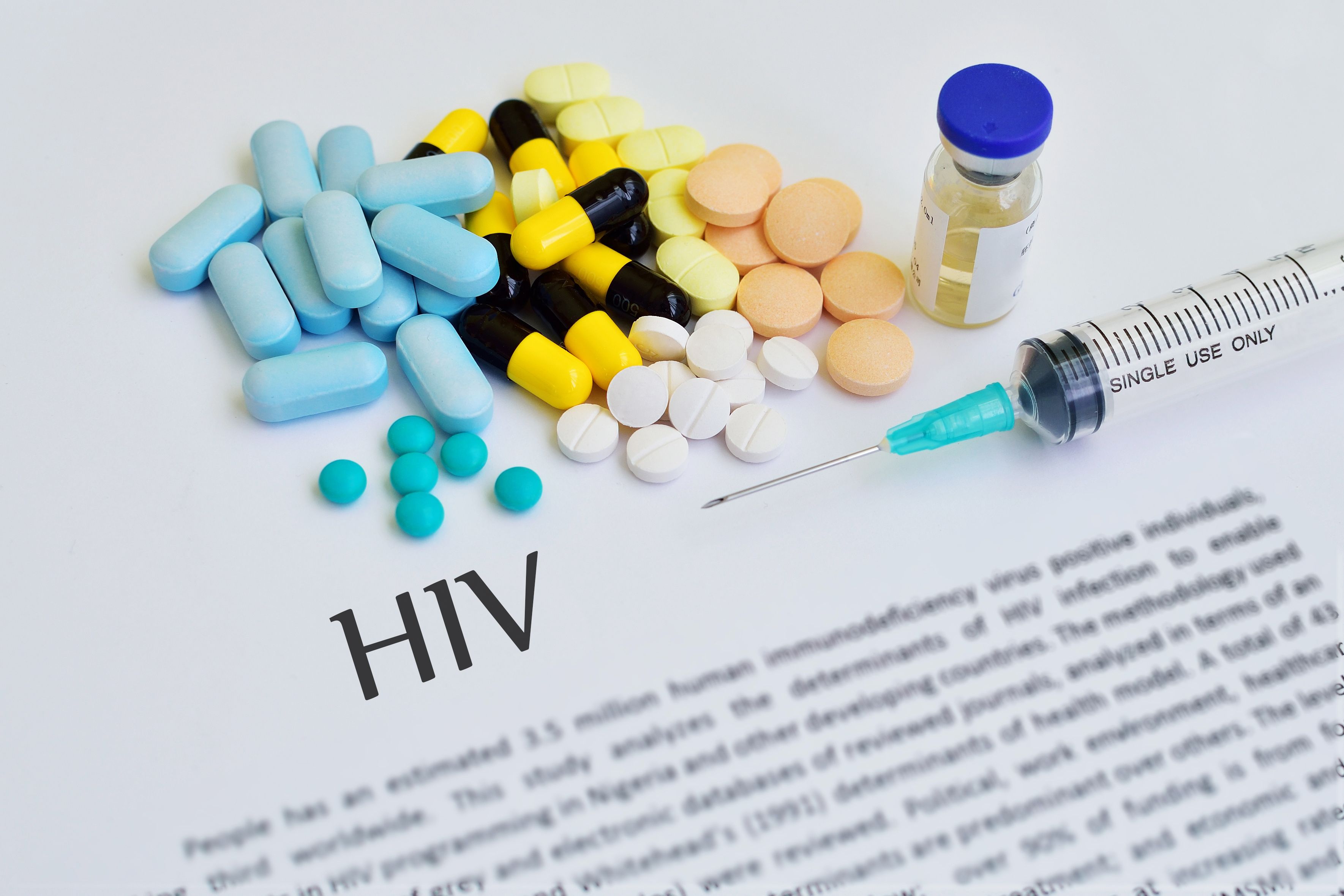
ART is a combination of medicines that stops HIV from multiplying in the body. Most adults now start on a single daily tablet that combines three drugs, commonly tenofovir, lamivudine and dolutegravir (often written as TLD), following World Health Organization treatment guidelines. Taken consistently, ART reduces the amount of virus in the blood to an undetectable level. At that point, the virus cannot be passed on through sex, a principle doctors call Undetectable equals Untransmittable (U=U). ART cannot cure HIV, and stopping treatment allows the virus to rebound, so it is taken for life. This article is for general information and does not replace a consultation with your own doctor or the HIV treatment team caring for you.
Where to get ART in Nigeria
You do not need private insurance or a referral letter to start ART in Nigeria. Treatment is free of charge at government-approved facilities, a point the National Agency for the Control of AIDS (NACA) reaffirmed after rumours circulated that patients would be charged hundreds of thousands of naira for their medicine. Common entry points include:
- Comprehensive HIV treatment centres at federal medical centres, teaching hospitals and state specialist hospitals, where you can get tested, counselled and started on ART the same day in most cases.
- General hospitals and primary healthcare centres in your local government area, many of which now offer HIV services alongside routine care.
- Antenatal clinics, for pregnant women, since every state runs a programme to prevent mother-to-child transmission and start expectant mothers on treatment immediately.
- Community pharmacy refill points, a newer model that lets patients who are already stable on treatment collect their next supply from an approved local pharmacy instead of returning to a crowded hospital.
- Non-governmental treatment sites such as those run by the Institute of Human Virology Nigeria and the AIDS Healthcare Foundation, which offer free testing and treatment in several states.
For the nearest facility, NACA’s helpline (6222) and its website list current treatment sites by state, and your State Agency for the Control of AIDS can also direct you. Health workers are trained to keep your status confidential, and you can request a private consultation room in most facilities if you are worried about being seen.
Where to get ART in other African countries
The details differ slightly from country to country, but the principle is the same: public health facilities are the main route to free or heavily subsidised ART.
- Kenya: ART is available through public hospitals and health centres accredited under the National AIDS and STI Control Programme (NASCOP), Ministry of Health. Mission hospitals also provide a large share of HIV care, particularly in rural counties.
- Ghana: Treatment is offered through Ghana Health Service facilities under the National AIDS Control Programme, and ART itself is provided free, though patients are encouraged to register with the National Health Insurance Scheme to cover related tests and services.
- Uganda: Care is available at Ministry of Health-accredited health centres and regional referral hospitals, with major treatment and training sites such as the Infectious Diseases Institute at Mulago and community organisations like TASO supporting nationwide coverage.
- South Africa: This is home to the largest ART programme in the world, with free treatment available at public clinics and hospitals in every province.
Funding changes and what they mean for patients
Since early 2025, cuts to United States funding through the President’s Emergency Plan for AIDS Relief (PEPFAR) have disrupted HIV services across the continent. A recent analysis found that the number of people on PEPFAR-supported treatment fell by roughly 1.97 million globally between FY2024 and FY2025, with testing and prevention services affected more heavily than treatment itself.
South Africa has felt this shift directly, with Washington confirming a phased withdrawal of PEPFAR support during 2026. Health Minister Aaron Motsoaledi has pointed out that government already funds around 90 percent of the country’s antiretroviral drug procurement, and the National Treasury has stepped in with additional funding to support treatment continuity (verified July 2026). Nigeria, too, has responded by unveiling a National HIV and AIDS Strategic Plan for 2026 to 2030 that shifts the country toward domestic financing and government-led coordination rather than donor dependence.
What this means practically is that some testing outreach and support programmes may look different from a year ago, and appointment systems at donor-supported clinics may be busier as they reorganise. It does not mean treatment has stopped. If your usual clinic seems disrupted, ask staff about the nearest alternative comprehensive treatment site, since government facilities are absorbing patients from affected programmes.
Starting and staying on treatment
Getting started usually involves an HIV test, a brief clinical assessment and counselling before you receive your first supply of medicine, typically enough for a month at first. Many programmes now offer multi-month dispensing, giving stable patients three to six months of medicine at once so they spend less time travelling to and queuing at clinics. Missing doses allows the virus to develop resistance, so building ART into a daily routine, such as taking it with breakfast or setting a phone reminder, matters more than the exact time of day you choose. [For guidance on understanding your medicine schedule generally, see our earlier guide on how to read a hospital prescription.]
Frequently asked questions
Is HIV treatment really free in Nigeria and other African countries? In Nigeria, ART is free at government-approved health facilities, and NACA has publicly confirmed this remains the case despite funding disruptions elsewhere. Most African countries with large HIV programmes, including Kenya, Ghana, Uganda and South Africa, also provide ART at no or minimal direct cost at public facilities, though related tests may carry small fees in some settings.
Can I get tested and start ART without my family knowing? Yes. HIV testing and treatment services are confidential, and health workers are trained to protect your privacy. You can ask for a private room, request that no information be shared with anyone else, and choose a clinic outside your immediate neighbourhood if that makes you more comfortable.
What if I have never been tested before or do not have a treatment card? You do not need any prior documentation to begin. Visit the nearest comprehensive treatment centre or general hospital, ask for HIV testing services, and staff will guide you through registration and, if you test positive, treatment initiation on the spot in most facilities.
Is ART available in private hospitals as well? Some private hospitals and NGO-run clinics offer ART, occasionally at a cost, but government-approved public facilities remain the most reliable source of free, ongoing treatment and are usually where donor and government drug supplies are directed.
What should I do if I travel and run out of medicine? Carry enough ART for your trip whenever possible, and if you are travelling within the same country, most comprehensive treatment centres can provide an emergency supply or transfer your file if you show your treatment card or explain your situation to staff.
If you or someone close to you is newly diagnosed, the most important next step is simple: find the nearest government health facility or call your national helpline this week, not someday. Starting ART early and taking it consistently is what turns an HIV diagnosis from a crisis into a manageable, long-term condition.
Also read our article on the new trend spreading diseases like HIV
About the author
Dr. Chimaobi Felix, MBBS, is the founder of The Healthy African and a medical doctor committed to bringing clear, evidence-based health information to readers across Nigeria and sub-Saharan Africa. He writes to make complex clinical topics practical and actionable for everyday readers and the health workers who serve them.
** This Article has been Reviewed by Dr. Chimaobi Felix, MBBS
⚕ Medical Disclaimer
This article is for educational and informational purposes only and does not constitute medical advice, diagnosis, or treatment. Always consult a qualified healthcare provider before making any health decisions. The Healthy African is not liable for any actions taken based on the information provided on this site.