
By Dr Chukwunyere Chimaobi | Verified June 2026 | Sources: WHO, UNODC, The Lancet, PubMed, PLOS

In a 2025 study of young people in Soweto, Johannesburg, researchers asked focus groups aged 18 to 25 how worried they were about hypertension (high blood pressure). Most weren’t worried at all. Many described the condition as something that happened to older relatives, not to someone in their twenties who felt perfectly fine.
That assumption is becoming risky. A 2025 study of clinical and biomedical students at the University of Ibadan notes that hypertension already affects an estimated 19.3 percent of adults in Nigeria, with rates climbing among young adults, driven by academic stress, poor sleep, unhealthy eating, inactivity and substance use. A separate study of young adults in Enugu State found an almost identical rate, with nearly half showing prehypertension, the early warning stage before the disease is established.
Hypertension has long been treated as a condition of middle and older age. That picture no longer matches what is showing up in African universities, workplaces and community health screenings.
How common is high blood pressure among young Africans?
Sub-Saharan Africa already carries one of the heaviest hypertension burdens in the world. A 2025 analysis covering 37 African countries found that the World Health Organization’s (WHO) African Region has among the highest hypertension rates of any low- or middle-income region globally, with the condition linked to an estimated 3 million deaths across the continent in 2021 alone (verified June 2026).
Among younger populations, the trend is just as concerning. Studies of people aged 15 to 30 across sub-Saharan Africa report that 6 to 10 percent already have hypertension, and some found that as many as a third have readings that are elevated but not yet in the hypertension range. Even among adolescents aged 10 to 19, roughly one in ten across the region already has elevated blood pressure, a worrying figure given that physical inactivity in this age group has been measured at over 85 percent in some surveys.
Why hypertension is climbing among young people
A handful of modifiable factors explain most of this rise. As African cities grow, diets and daily routines are shifting away from patterns that historically kept blood pressure low.
Common contributors include:
- High salt intake. A 2025 study of urban Cameroonian adults found most participants consumed more than double the WHO’s recommended daily salt limit, with a clear link between salt intake and blood pressure.
- A shift towards processed food and saturated fat, replacing traditional diets.
- Sedentary lifestyles, worsened by long commutes, desk-based work and reduced outdoor activity.
- Rising overweight and obesity among young adults.
- Tobacco use and harmful alcohol consumption.
- Psychosocial stress, including academic pressure, unemployment and financial strain.
- Poor sleep, increasingly common among students and shift workers.
Genetics and underlying conditions such as kidney disease can also play a role, but lifestyle and environmental factors are doing most of the work behind the rising numbers.
Why so many cases go undetected
Hypertension rarely causes obvious symptoms in its early stages, which is part of what makes it dangerous. The Soweto research found that young people often associated the condition with visible illness, so it simply didn’t register as something that applied to them.
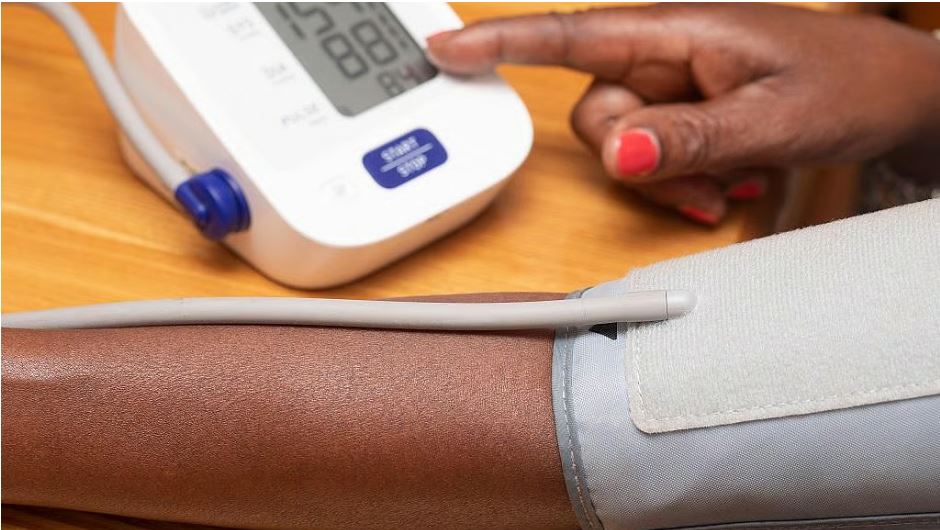
This perception gap is worsened by limited access to monitoring. A 2025 review found that fewer than 10 percent of households in sub-Saharan Africa own a validated home blood pressure monitor, compared with more than 60 percent in high-income countries, leaving many people reliant on a single clinic reading rather than a fuller picture over time. The WHO’s 2025 Global Report on Hypertension found that only around one in five people with hypertension worldwide have it adequately controlled, and that sub-Saharan African countries perform worse than their income levels would predict (verified June 2026).
Why untreated high blood pressure matters so much in young adulthood
Left unmanaged, hypertension roughly doubles a person’s risk of cardiovascular disease, including coronary heart disease, heart failure, stroke and kidney disease. Elevated blood pressure in adolescence and young adulthood also tends to carry forward into later life, so a person diagnosed at 22 accumulates decades more risk exposure than someone diagnosed at 55, even with an identical reading.
This is also where chronic conditions tend to overlap. For a full breakdown of how blood sugar problems compound this risk, see our earlier guide on type 2 diabetes prevention.
What young people and health systems can do
Most of the drivers behind rising hypertension are modifiable, which means the trend is not fixed. The WHO recommends limiting daily salt intake to under 5 grams, roughly one teaspoon, alongside regular physical activity, a diet rich in fruit, vegetables and whole grains, and limited alcohol and tobacco use.
Practical steps that make a difference include:
- Getting blood pressure checked at least once a year from your twenties onward, even without symptoms.
- Reducing added salt in cooking and cutting back on processed and fast food.
- Building regular movement into the week, such as walking, cycling or sport.
- Limiting alcohol and avoiding tobacco and recreational stimulant use.
- Managing stress through adequate sleep and rest, rather than through substances.
At the health systems level, WHO’s HEARTS technical package, adopted by several African countries as part of a wider rollout across more than 30 low- and middle-income countries, has shown that primary health centres can improve detection and control when blood pressure screening becomes routine for all adults, not just older patients.
This article is for general information and does not replace a consultation with a qualified doctor or nurse, who can assess individual risk and recommend appropriate testing or treatment.
Frequently asked questions
Can someone in their twenties have high blood pressure? Yes. Recent studies among Nigerian university and clinical students found hypertension in close to one in five young adults, with prehypertension affecting nearly half of those studied. Age alone offers no protection.
What are the early signs of high blood pressure in young people? Most people have no symptoms at all in the early stages, which is why it is sometimes called a silent condition. Headaches, dizziness or nosebleeds can occur but usually only once blood pressure is very high, so regular checks matter more than waiting for symptoms.
Can high blood pressure be reversed in young adults? In many cases, especially when caught early, blood pressure can return to a healthy range through reduced salt intake, exercise, weight management and stress reduction, though some people will still need medication, which a doctor is best placed to advise on.
How often should young adults check their blood pressure? Many clinical guidelines suggest a check at least once a year for healthy young adults, and more often for those with a family history of hypertension, existing risk factors, or a previous high reading.
Does stress alone cause high blood pressure? Stress can raise blood pressure temporarily and contribute to habits, such as poor sleep, smoking or overeating, that increase long-term risk. However, hypertension is rarely caused by stress alone and usually reflects a combination of lifestyle and, in some cases, genetic factors.
The earlier hypertension is found, the easier it is to manage, so booking a blood pressure check this year is one of the simplest steps a young person can take to protect their future health.
** This Article has been Reviewed by Dr. Chimaobi Felix, MBBS
⚕ Medical Disclaimer
This article is for educational and informational purposes only and does not constitute medical advice, diagnosis, or treatment. Always consult a qualified healthcare provider before making any health decisions. The Healthy African is not liable for any actions taken based on the information provided on this site.