
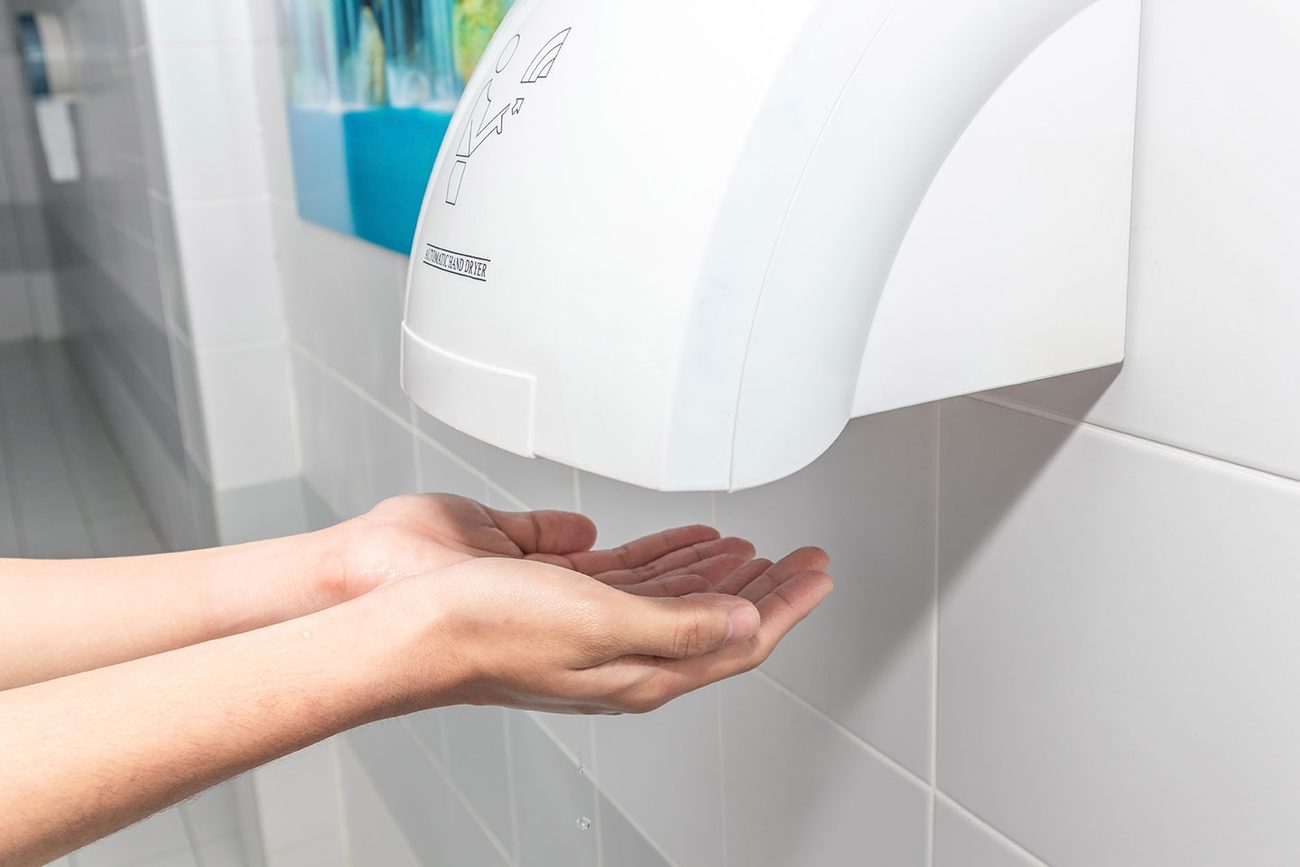
Maintaining proper hand hygiene is a cornerstone of infection control; however, the final step of the process drying often receives less scrutiny than the wash itself. While electric hand dryers are frequently marketed as a modern, eco-friendly alternative to paper products, recent clinical evidence suggests they may inadvertently compromise the cleanliness of freshly washed hands. For medical practitioners and the general public alike, understanding how these devices interact with the bathroom environment is essential for reducing the spread of opportunistic pathogens.
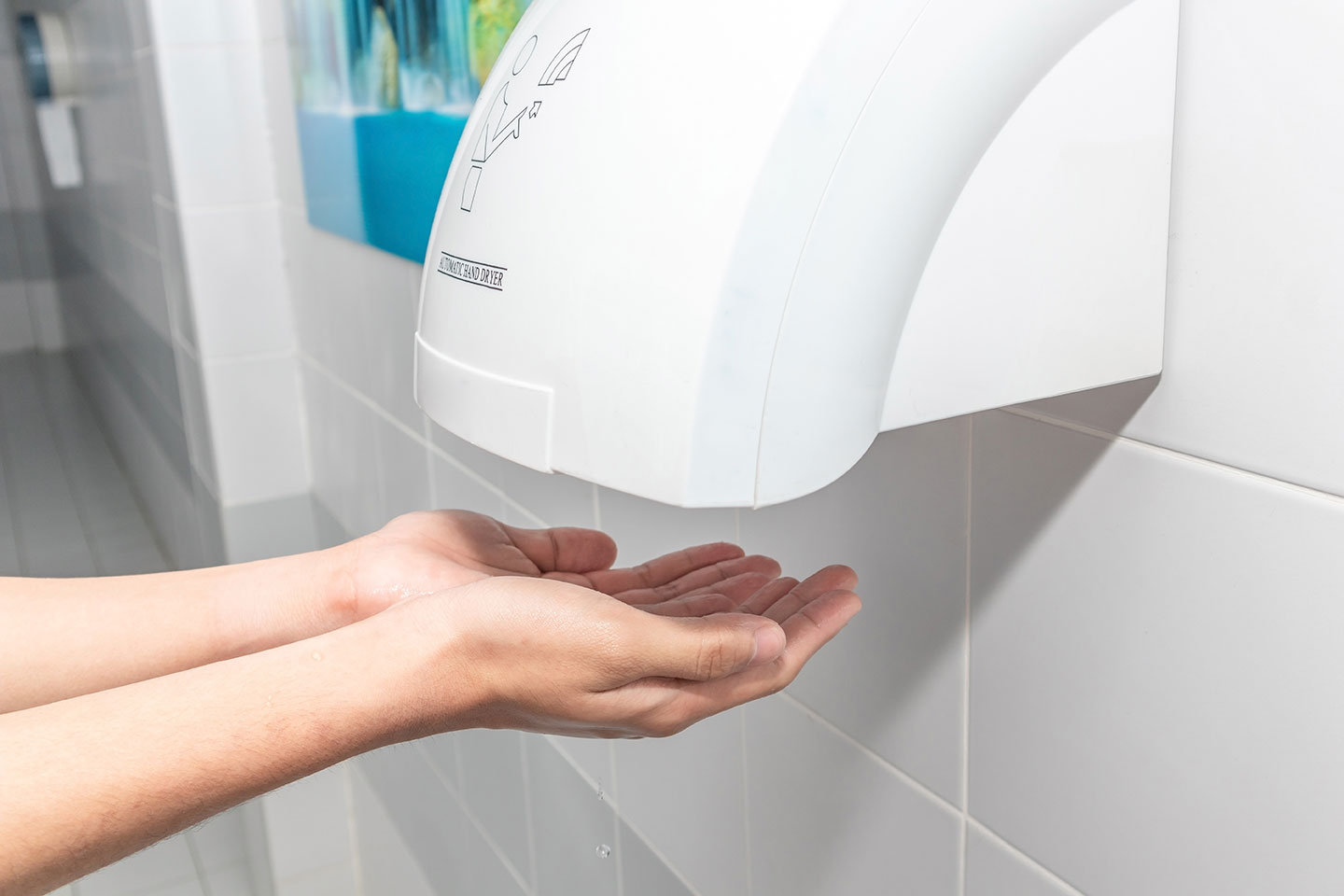
The Mechanism of Microbial Dispersal
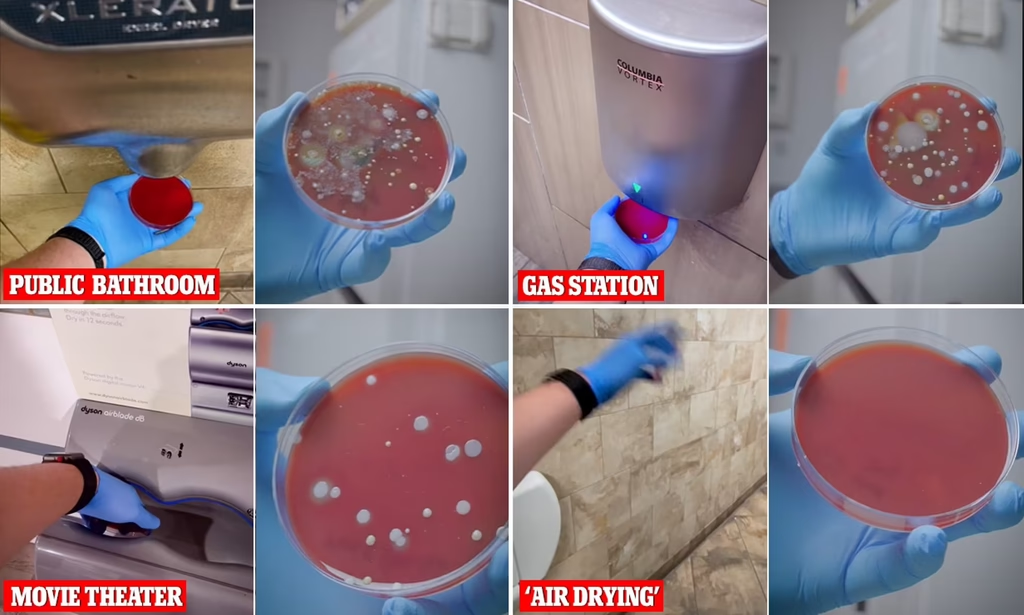
The primary concern with electric hand dryers, particularly high-speed jet models, involves the aerosolization of microorganisms. Public bathrooms are environments where “toilet plumes”, fine mists of water and waste particles created during flushing, can remain suspended in the air. Research indicates that hand dryers do not just dry hands; they act as high-powered intake systems that pull in this contaminated ambient air (Applied and Environmental Microbiology, 2018).
Once drawn into the device, the air is often heated and blown directly onto the user’s skin at high velocities. This process can deposit a variety of bacteria, including Staphylococcus aureus and Escherichia coli (E. coli), back onto hands that were just cleaned. Even models equipped with High-Efficiency Particulate Air (HEPA) filters have shown a limited ability to fully eliminate this risk. While HEPA filters provide a notable reduction in bacterial counts, they do not create a sterile environment, especially if the filters are not maintained according to manufacturer specifications (University of British Columbia, 2024).
Comparative Hygiene: Dryers vs. Paper Towels/Airdrying
When evaluating hand-drying methods, clinicians look at the reduction of moisture and the prevention of re-contamination. Bacteria thrive in damp environments, making the speed and thoroughness of drying a critical health metric.
- Microbial Transfer: Paper towels physically remove bacteria through friction, mechanically stripping away remaining pathogens (Frontiers in Public Health, 2025).
- Airborne Spread: High-speed jet dryers can propel droplets up to 2 meters away, potentially contaminating the user’s clothing and the surrounding floor (Journal of Hospital Infection, 2024).
- Surface Safety: Because paper towels are disposable and involve no air movement, they do not contribute to the circulation of bathroom aerosols.
Studies consistently demonstrate that paper towels are the more hygienic choice in clinical settings. The World Health Organization (WHO) and the Centers for Disease Control and Prevention (CDC) emphasize that thorough drying is as important as the wash itself, as wet hands are more likely to spread and acquire germs (CDC, 2024).
Case Study: The 2025 University of Leeds Assessment
A detailed study led by Professor Mark Wilcox at the University of Leeds and published in late 2025 provides a stark example of these risks. Researchers used a bacteriophage (a virus used to mimic human pathogens) to track how different drying methods dispersed microbes in a controlled washroom environment (University of Leeds, 2025).
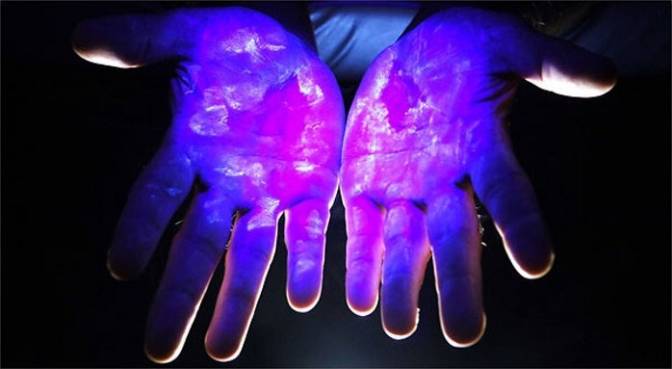
The team found that modern jet air dryers created a “splatter effect” that contaminated surfaces, walls, and even the clothing of people standing nearby. Specifically, the study showed that microbial contamination on the torso of a user was 100 to 1,000 times lower when they used paper towels compared to high-speed dryers. Furthermore, microbes remained airborne for up to 30 minutes after the dryer was used, demonstrating a persistent inhalation risk for subsequent bathroom visitors (Frontiers in Public Health, 2025).
Pathogens Found in Hand Dryer Airflow
Recent assessments have identified several concerning organisms in the air streams of public dryers:
- Enterobacteriaceae: Includes E. coli and Salmonella, often associated with fecal contamination.
- Bacillus species: These form hardy spores that survive high temperatures and dry conditions (ResearchGate, 2018).
- Staphylococcus haemolyticus: Can cause infections in immunocompromised individuals or those with open wounds (PMC, 2016).
- Fungal Spores: Mold and fungi like Aspergillus have been detected in dryer nozzles, particularly in humid restrooms (AJMBES, 2024).
Healthier Hand-Drying Options
For those looking to maximize hygiene, the hierarchy of drying methods is clear. Choosing the right method can reduce the presence of bacteria on the skin by up to 77% (Kimberly-Clark Professional, 2024).
- Single-Use Paper Towels: This remains the gold standard. The friction of the paper removes bacteria that the wash missed, and the disposal of the towel ensures those germs are removed from the environment.
- Continuous Cloth Towels: When properly laundered and dispensed through a “pull-and-retract” system, these provide similar friction benefits to paper towels.
- HEPA-Filtered Dryers: If a dryer must be used, those with maintained HEPA filters are preferable to older, unfiltered warm-air models. However, they still contribute to aerosolization.
- Air Drying (Evaporation): While this avoids the dispersal of germs, it is often impractical. Wet hands are 1,000 times more likely to spread bacteria than dry ones, so leaving a bathroom with damp hands is a notable health risk.
Frequently Asked Questions
Are “touchless” dryers safer?
Touchless sensors prevent you from touching a dirty button. However, the internal mechanism still pulls in and blows out ambient bathroom air, meaning the risk of aerosolized bacteria remains.
Does the heat from the dryer kill the germs?
Most dryers do not reach temperatures high enough to sterilize air. In many cases, the warm, moist environment inside the dryer can support the survival of certain microbial species.
What is the “splatter effect”?
This refers to the way high-velocity air jets force water droplets off a user’s hands and onto their face, clothing, and the surrounding walls.
Should I carry my own hand sanitizer?
Yes. Using an alcohol-based hand sanitizer after using a public hand dryer can help neutralize any bacteria that the air stream may have deposited on your skin.
Why are paper towels better for hospitals?
In clinical settings, preventing the spread of germs through the air is vital. Paper towels contain germs within the waste bin rather than blowing them around the ward or surgical prep area.
