
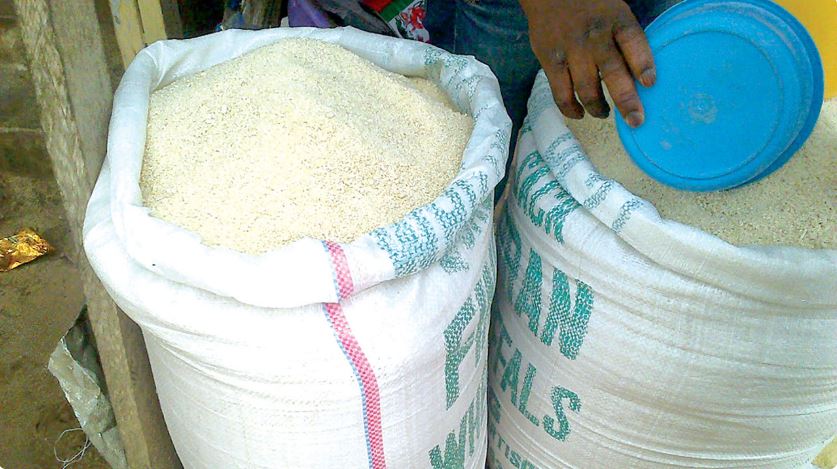
In many Nigerian, Ghanaian and Sierra Leonean homes, the question is rarely whether garri will appear at the table, only in which form. Soaked cold with groundnuts for breakfast, swallowed as eba with egusi soup at lunch, or eaten again as an evening snack, cassava granules known as garri can turn up at every meal of the day.
That habit deserves a closer look. A 2025 update to the International Diabetes Federation’s Diabetes Atlas found that Nigeria recorded a prediabetes rate of 40.5 percent among adults tested, the highest figure reported among the countries compared in that edition . Diets built heavily around starchy, high glycaemic foods are one well-studied contributor, and garri sits near the top of that list. So what does eating it daily do to digestion, blood sugar, weight, and a few organs people rarely think to ask about?
What is actually in a bowl of garri?
Garri starts as peeled, grated cassava tuber, fermented for one to three days, then dewatered, sieved and dry-roasted in a wide pan, sometimes with red palm oil stirred in to make the familiar yellow variety. This process gives garri its long shelf life without refrigeration, a genuine advantage where cold storage is unreliable.
Nutritionally, one thing dominates: carbohydrate. Compositional data from the International Institute of Tropical Agriculture in Ibadan puts a typical 100-gram serving at roughly:
- Carbohydrate: 75 to 85 grams, the main source of its calories
- Energy: around 350 calories
- Protein: under 2 grams, among the lowest of any major Nigerian staple
- Fibre: about 2 grams
- Minerals: small amounts of iron, calcium and potassium, not enough to rely on as a primary source
Garri and your blood sugar
Garri’s glycaemic index (GI), a measure of how quickly a food raises blood glucose compared with pure glucose, is consistently rated high. Nigerian studies on eba made from different garri varieties have recorded GI values from the high 70s into the low 90s, and a comparative dataset from the International Institute of Tropical Agriculture similarly classed gari-based eba above 70 percent, a range linked with sharper post-meal glucose spikes.
An occasional high-GI meal is not a problem for most healthy adults. The concern grows with daily repetition, against a backdrop where a pooled analysis of 60 Nigerian studies estimated type 2 diabetes prevalence at 7.0 percent nationally, roughly one adult in fourteen (verified June 2026). Pairing garri with protein and fibre-rich soups slows glucose absorption and softens that spike.
Why daily garri can encourage weight gain
Because garri is energy-dense and low in protein, large daily portions, especially alongside oil-rich soups, add up in calories without much satiety. Over months, that pattern of frequent refined-carbohydrate meals and limited variety is a recognised contributor to gradual weight gain, part of the broader shift toward non-communicable disease risk in urbanising African cities.
The fibre upside
It is not all caution. Garri’s fibre, modest as it is, helps bulk up stool and supports regular bowel movements, and many households use a soaked garri drink as a home remedy for mild diarrhoea, since the fibre absorbs excess fluid in the gut. Still, 2 grams per 100 grams is far below what whole grains, beans or vegetables provide, so garri should not be treated as a main fibre source.
Processing matters: the cyanide question
Raw cassava naturally contains cyanogenic glycosides that break down into hydrogen cyanide (HCN) if not properly removed. Traditional processing, the grating, multi-day fermentation and frying described above, is effective at reducing this risk, with fermentation doing most of the work.
A 2024 study testing garri from five agro-ecological zones of Nigeria found detectable HCN in 98.3 percent of samples, mostly within the limit permitted by Nigeria’s National Agency for Food and Drug Administration and Control (NAFDAC), and the researchers judged acute poisoning from a typical garri-based diet unlikely (verified June 2026). The bigger documented risk sits with poorly processed cassava, linked to thousands of cases of konzo, an irreversible paralytic condition mainly reported in the Democratic Republic of the Congo, Mozambique and Tanzania, and to a chronic Nigerian condition called tropical ataxic neuropathy, which can affect vision, hearing and gait in communities relying heavily on poorly fermented cassava with little dietary protein.
A lesser-known risk: aflatoxin
The same fermentation that lowers cyanide creates an acidic environment that can favour mould growth. A 2025 review in the Bulletin of the National Research Centre described this cyanide-aflatoxin trade-off, noting that surveillance in states such as Benue has found most garri samples testing positive for aflatoxin, a fungal toxin linked to liver cancer, even though average concentrations generally stayed under NAFDAC’s limit. Buying from registered, reputable producers and storing garri in a dry, airtight container both reduce this risk.
Garri and your thyroid
Cyanide’s breakdown product, thiocyanate, can interfere with the thyroid gland’s iodine uptake. In a Tanzanian study of women in an iodine-deficient area where cassava was eaten daily by nearly everyone, goitre was found in close to three-quarters of participants, though thorough milling of the cassava was linked with lower thiocyanate levels. Most table salt sold across West Africa is iodised, which substantially lowers this risk for typical garri eaters.
None of this is reason to fear garri as part of a varied diet, but heavy daily reliance deserves the same attention as any other major food habit. This article cannot replace a conversation with a doctor or registered dietitian, particularly for anyone managing diabetes, thyroid disease or liver disease.
Frequently asked questions
Can people with diabetes eat garri? Yes, in moderate portions paired with protein and fibre-rich soups that slow glucose absorption. Many dietitians suggest one garri meal a day and careful portion size, though anyone with diabetes should confirm a plan with their own doctor.
Does eating garri every day cause weight gain? It can, mainly because garri is calorie-dense, low in protein, and often eaten in large portions with oily soups. The overall eating pattern matters more than garri alone, so balancing it with vegetables and lean protein helps.
Is garri safe, or does it contain dangerous cyanide levels? Properly fermented and roasted garri from reputable producers generally tests within national safety limits. The real risk comes from poorly processed homemade batches, which is why buying from established, NAFDAC-registered sources matters.
Can garri affect eyesight or hearing? There is a recognised, if uncommon, Nigerian condition called tropical ataxic neuropathy, linked to long-term reliance on poorly processed cassava with little protein in the diet. It is rare in people eating a varied diet with adequately fermented garri.
Is yellow garri healthier than white garri? Yellow garri, made with red palm oil added during roasting, contains a useful amount of vitamin A that white garri lacks. Beyond that, the two share broadly similar carbohydrate, protein and fibre content.
Garri is not leaving West African kitchens, and it does not need to. The more useful question is not whether to eat garri but how often, in what portion, and alongside what else on the plate. Choosing trusted producers, keeping iodised salt on the table, and pairing garri with protein and vegetables let this staple stay part of daily life without quietly adding to long-term health risks.
** This Article has been Reviewed by Dr. Chimaobi Felix, MBBS
⚕ Medical Disclaimer
This article is for educational and informational purposes only and does not constitute medical advice, diagnosis, or treatment. Always consult a qualified healthcare provider before making any health decisions. The Healthy African is not liable for any actions taken based on the information provided on this site.