
By Dr. Chimaobi Felix, MBBS | Medically reviewed by the The Healthy African editorial team
The birth of a child is one of the most celebrated events in sub-Saharan African life. In Nigeria, the “omugwo” tradition brings a grandmother into the home to care for mother and newborn for weeks at a stretch. In Ghana, communities hold outdooring ceremonies seven days after delivery. These practices carry genuine protective value, wrapping new mothers in communal support that much of the world lacks. Yet for roughly one in five of those mothers, something quieter and more troubling is unfolding beneath the celebration. A 2024 systematic review published in the South African Journal of Science found that the pooled prevalence of postpartum depressive symptoms across sub-Saharan Africa stands at 22.1%, with rates in Southern Africa approaching 30%. In Nigeria, estimates place the figure at between 10.7% and 22.9%. In any group of five new mothers at a postnatal clinic in Lagos or Nairobi, at least one is likely living with postpartum depression (PPD).
PPD is a clinical mood disorder that can emerge days to months after delivery. It is not the same as the “baby blues,” the transient tearfulness and exhaustion that many women feel in the first two weeks postpartum and that resolves without treatment. PPD persists. It worsens without care, and it interferes with a mother’s ability to look after herself and her baby. The National Institute of Mental Health notes that PPD can present not only as persistent low mood but as unexplained headaches, physical aches, and digestive problems with no clear physical cause. Left unaddressed, it can last for months and deepen into major depression.
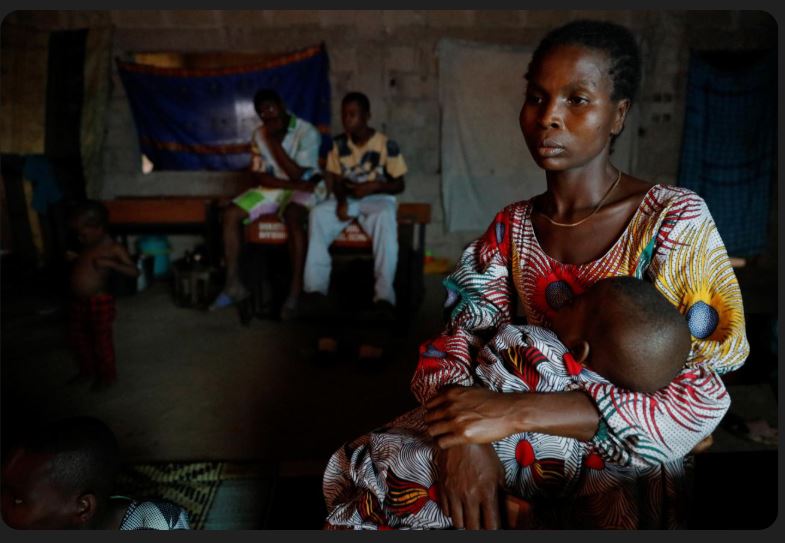
What makes PPD especially hard to address in African settings is that it rarely looks the way people expect. Families are watching for obvious crying and withdrawal. But a woman who snaps at everyone she loves, cannot stop worrying about the baby, complains daily of body pain, or seems emotionally flat when holding her newborn may also be living with PPD, and those around her may be attributing it to tiredness, ingratitude, or even spiritual trouble.
Baby blues or postpartum depression: understanding the difference
Baby blues are mild, common, and short-lived. A new mother may feel weepy or overwhelmed in the days immediately after delivery, but these feelings ease within two weeks without clinical intervention. PPD is different in scale and duration. Its symptoms last more than two weeks, are often more intense, and get in the way of daily functioning. A mother with PPD generally will not feel better on her own.
One validated tool for detecting PPD in clinical settings is the Edinburgh Postnatal Depression Scale (EPDS), a ten-item questionnaire that assesses how a woman has been feeling over the preceding seven days. It has been validated in multiple African countries. A peer-reviewed study conducted in Uganda found the EPDS to perform well at a cut-off score of 10, with a sensitivity of 86.8% and a specificity of 92.1%. Routine EPDS screening at postnatal visits across sub-Saharan Africa remains inconsistent, but the tool is low-cost, widely available, and effective at identifying women who need further evaluation.
Signs of postpartum depression that families often miss
Awareness of PPD in African households tends to focus on its most visible form: a mother who refuses to eat, cries constantly, or cannot get out of bed. These are genuine presentations of PPD. But several others are far more common and far less recognised.
- Irritability and anger rather than sadness. Many women with PPD feel overwhelmed by rage rather than sorrow. They snap at family members, become hostile when others try to help, or feel unable to tolerate normal household noise. This is often read as poor character rather than distress.
- Unexplained physical complaints. Research in Nigeria published in the International Journal of Mental Health Systems found that women described their perinatal distress in somatic terms, including “efori tulu” (unremitting headache) and persistent body pain. When a new mother keeps returning to the clinic with symptoms that do not resolve, PPD should be considered.
- “Thinking too much.” Identified in Nigerian qualitative research as a local idiom of distress, this phrase describes a state of excessive rumination that families routinely attribute to ordinary new-motherhood worry rather than illness.
- Emotional detachment from the baby. A mother who seems indifferent to her newborn, who readily passes the baby over and does not reach to take the baby back, or who feels emotionally flat when others are delighted may be experiencing bonding difficulties, a recognised feature of PPD.
- Intense anxiety and hypervigilance. Not all PPD presents as low mood. Some women feel persistently and intrusively anxious, certain that something terrible is about to happen to the baby, unable to rest even when the infant is settled.
Why PPD goes unrecognised in African homes
Several interlocking forces keep PPD hidden. Research involving Nigerian women, their family caregivers, and health providers, published in 2024 in the Journal of Global Health Reports, found that perinatal mental distress was regularly attributed to spiritual attack, a husband’s neglect, or insufficient rest after childbirth. This framing feels explanatory within its cultural context but consistently steers families away from clinical help.
The expectation that African women should embody emotional resilience adds further pressure. Many communities expect a new mother to be visibly grateful and functional regardless of how she feels inside. A woman who admits to struggling risks being judged as weak or ungrateful. A review of intersectional factors in PPD across sub-Saharan Africa noted that this “strong woman” expectation actively suppresses disclosure of mental health difficulties among postnatal women.
Stigma compounds everything. A Lagos-based postnatal study found that women who suspected they were unwell typically kept it to themselves out of fear of being seen as unfit for motherhood. The result is a treatment gap that is both wide and largely invisible. A study of help-seeking in a rural African setting found that fewer than one in twenty women with high PPD symptom scores had accessed any mental health care.
Who faces a higher risk
Any new mother can develop PPD, but certain factors raise the risk. These include:
- A personal or family history of depression or anxiety
- Baby blues in the first two weeks after delivery
- Intimate partner violence or limited emotional support from a partner
- Unplanned pregnancy
- Obstetric complications, including caesarean delivery
- Low household income
- A baby with health problems
- Being HIV-positive (studies from Kenya have found PPD rates of approximately 48% in this group)
The Lagos postnatal study identified baby blues, lack of practical help with infant care, intimate partner violence, and partner unsupportiveness as independent predictors of PPD in Nigerian women.
What families and health workers can do
If a new mother shows several of the signs described above for more than two weeks, she deserves a clinical assessment. PPD is not a sign of weakness or a spiritual matter. It arises from a combination of hormonal shifts after delivery, psychological adjustment to a major life change, and the weight of social and economic pressures that many African women carry disproportionately.
At the clinical level, routine EPDS screening at postnatal visits offers a practical, low-cost first step. Treatment options include interpersonal psychotherapy (IPT), which has shown effectiveness in African clinical settings, and antidepressant medication where clinically indicated. A feasibility trial conducted in Zambia found both IPT and sertraline to be acceptable and effective treatment approaches for postpartum women. Antidepressants typically take four to eight weeks to reach full effect, and decisions about medication during breastfeeding should always involve a qualified clinician.
At the family level, the most helpful actions are reducing isolation, sharing the workload of baby care, listening without minimising what the mother is saying, and accompanying her to postnatal appointments if she is reluctant to go alone. Phrases like “be strong” or “every woman goes through this” close down disclosure. Phrases like “how are you really feeling?” and “we can go to the clinic together” open it.
If you are concerned about a new mother in your family or community, speaking with a doctor, midwife, or trained community health worker is the right first step. PPD is a medical condition, and this article offers general health information, not a substitute for a clinical consultation or treatment plan.
Frequently asked questions
How do I know if it is baby blues or postpartum depression? Baby blues begin within a day or two of delivery and clear up within two weeks. They are mild and do not stop a mother from functioning. PPD is more intense, lasts longer, and interferes with daily life and the mother-baby relationship. Any mother who is still feeling persistently low, detached, or overwhelmed after the first two weeks should be assessed by a health professional.
Can postpartum depression affect my baby? Yes. Untreated PPD can interfere with bonding, breastfeeding, and responsive caregiving. Over time, research shows that children of mothers with untreated PPD may face greater risks of emotional and cognitive developmental difficulties. Getting treatment early protects both mother and child.
How is PPD diagnosed in African healthcare settings? Many postnatal clinics across sub-Saharan Africa use the Edinburgh Postnatal Depression Scale (EPDS), a ten-question screening tool. A score of 10 or above is considered a reason for further clinical evaluation. The EPDS has been translated into local languages and validated in several African settings, including Uganda and South Africa.
Are effective treatments available in Nigeria and other African countries? Yes, though access varies. Interpersonal psychotherapy and antidepressant medications such as sertraline have been used in African clinical settings and shown to be effective. Women in urban areas typically have better access to mental health services. Primary healthcare facilities are increasingly being supported to offer basic postnatal mental health care, so a postnatal clinic is a practical first point of contact for most women.
What can family members do to help a mother with PPD? The most important things are sharing baby care responsibilities, listening without dismissing the mother’s experience, and encouraging her to seek professional help. Avoid implying that PPD is weakness, laziness, or a spiritual problem. It is a recognised medical condition and it responds well to treatment when it is caught and addressed early.
Taking postpartum depression seriously, in households and in clinics, in communities and in health policy, is one of the most direct investments sub-Saharan Africa can make in the long-term wellbeing of its mothers and children.
** This Article has been Reviewed by Dr. Chimaobi Felix, MBBS
⚕ Medical Disclaimer
This article is for educational and informational purposes only and does not constitute medical advice, diagnosis, or treatment. Always consult a qualified healthcare provider before making any health decisions. The Healthy African is not liable for any actions taken based on the information provided on this site.